
It’s Okay to Not Be Okay: Bird Construction’s Jason Ross on Men’s Mental Health in the Trades
Jason Ross of Bird Construction shares how a panic attack on a winter highway in northern Manitoba led him to speak openly about men’s mental health, and what it takes to bring that conversation to job sites across the country.
Sell Yourself First: Garrett Hill on Why the Safety Message Follows the Person
Garrett Hill shares why crews take in the safety message once they know the person delivering it, and what ten years in safety taught him about mentors and follow-through.
Safety Is a Value, Not a Priority: Bill Hart on Why That Distinction Matters
Bill Hart explains why safety should be treated as a value, not a priority, sharing lessons from decades in mining on safety leadership, workplace culture, risk, and protecting workers.
The Easiest Way to Lose a Crew

Michelle Hruby shares how hands-on field experience, difficult conversations and consistency shaped her approach to safety leadership. From earning the trust of skeptical crews to using AI to ask better questions during incident investigations, she explains why effective safety professionals must be willing to step outside the office, challenge unsafe practices and lead by example.
Blame Is a Dead End: Michael Bassey on Where Accountability Actually Sits
Michael’s argument is that accountability and blame are not the same thing, and that treating them as interchangeable is what keeps organizations stuck. People make mistakes. The question is whether the system was built to absorb them, and whether leaders held to the standards they set for everyone else. He walks through the connection directly, from a meeting that starts fifteen minutes late without an apology, to the PPE that stops going on properly downstairs, to the investigation that writes it all up as a frontline failure.
Brian Fielkow & Associates – Safety Is the Accelerant: Brian Fielkow on Why Safe Companies Grow Faster
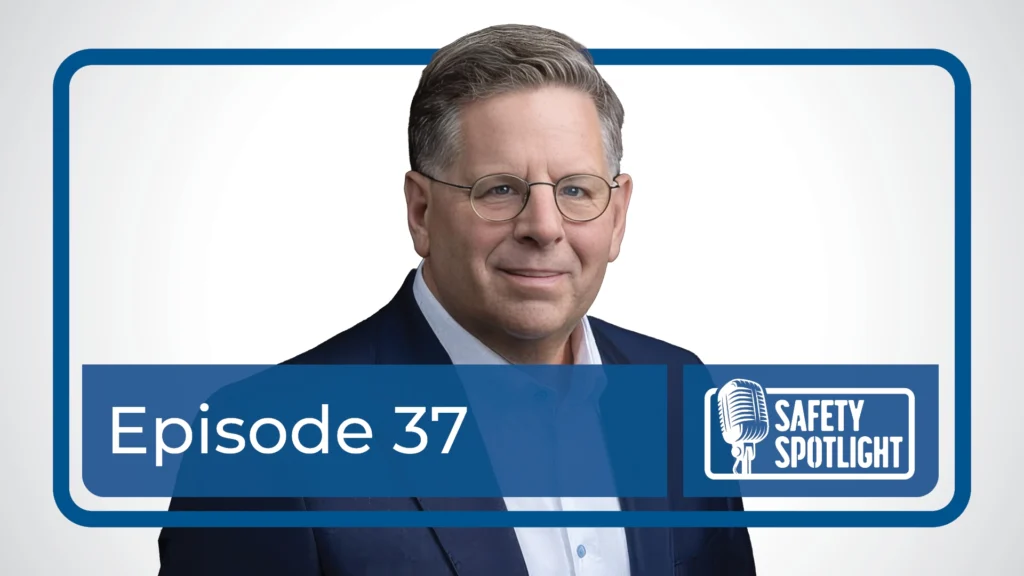
Brian did not arrive in safety the usual way. He started out practising business law in Milwaukee, where meeting clients across a range of industries taught him to look for patterns. He went to work for his favourite client, a three generation recycling company, helped grow it, and sold it to Waste Management.
York Construction – Sometimes You’re Just Getting Lucky: Cody Woolf on the Gap Between No Incidents and Real Safety
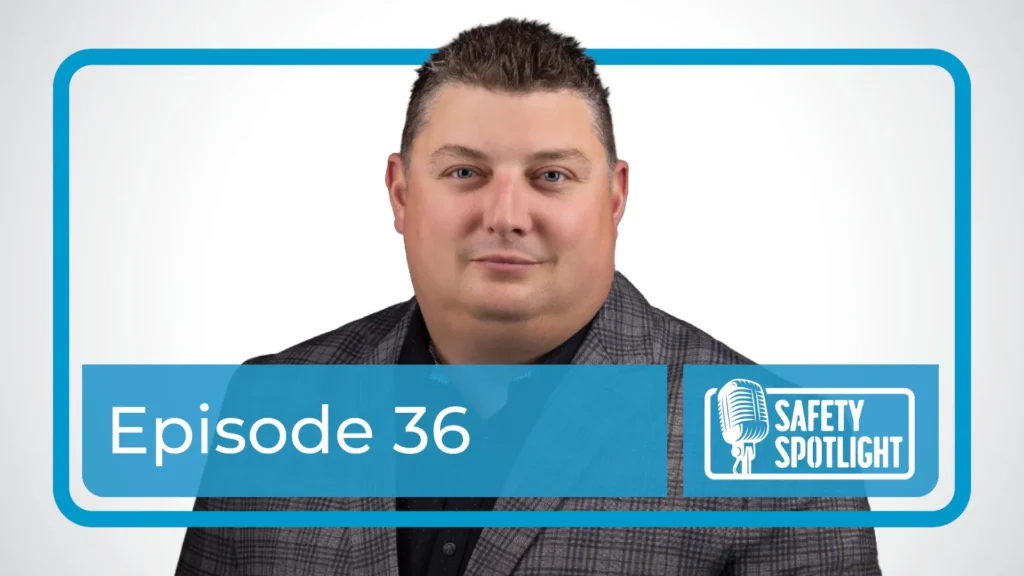
Cody Woolf examines the gap between a clean incident record and genuine safety culture, sharing insights on field leadership, corrective actions, AI, mental health, and building trust with workers.
Private Investigator to Safety Leader

Cynthia Konkin’s journey from private investigator to workplace safety leader shows how empathy, root cause analysis, and people-first leadership can transform safety culture across industries.
Beyond the Checklist: Nicole Wetsch on Practical Safety Leadership
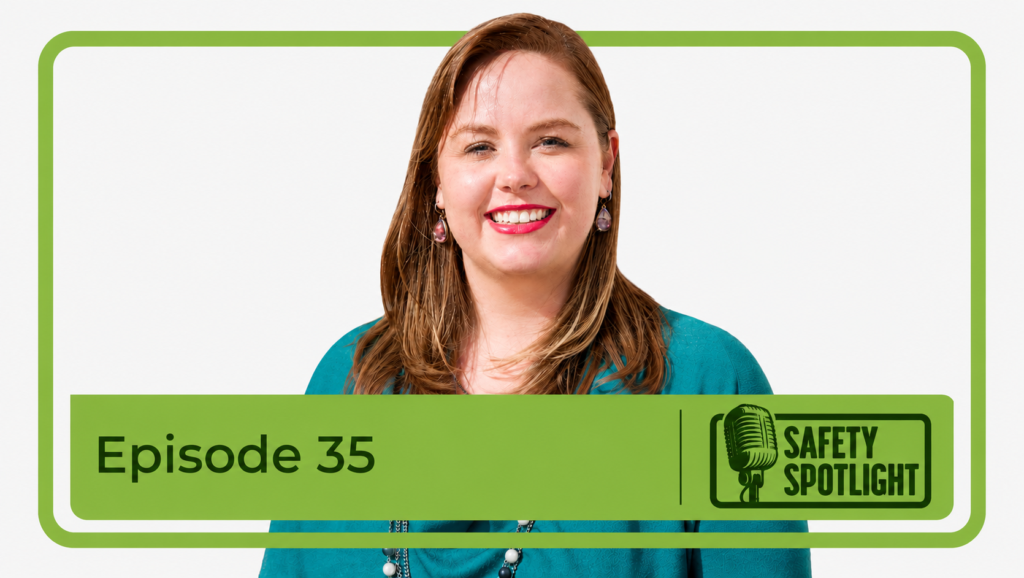
Nicole Wetsch shares how practical safety programs, usable hazard assessments, and people-first leadership help protect frontline workers in some of the most unpredictable environments.
Graham Jackson Wants You to Lose Your Ego
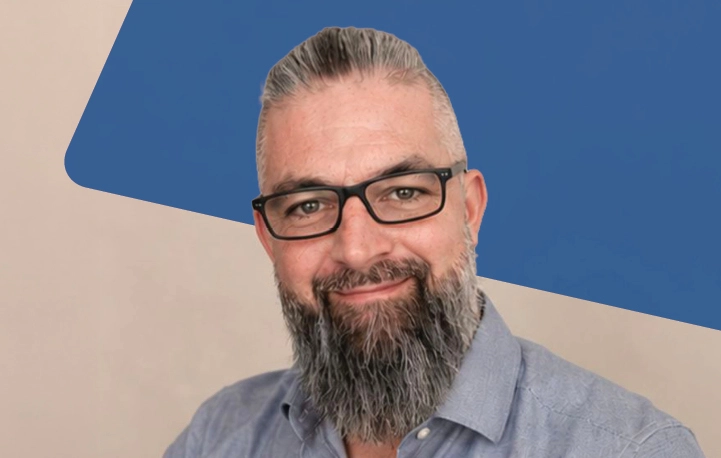
Jackson is the Health and Safety Manager at SkyFire Energy, one of Western Canada’s largest solar contractors. The employee-owned company has been installing solar across the West since 2001. Like a lot of good safety people, he came up through the trades, not a classroom.