BIS Safety Software Canada

  • Home
  • Blog
  • Smart Vests and Safety Helmets That Think: The Wearables Reshaping Jobsite Safety
Smart Vests and Safety Helmets That Think: The Wearables Reshaping Jobsite Safety
Facebook
LinkedIn
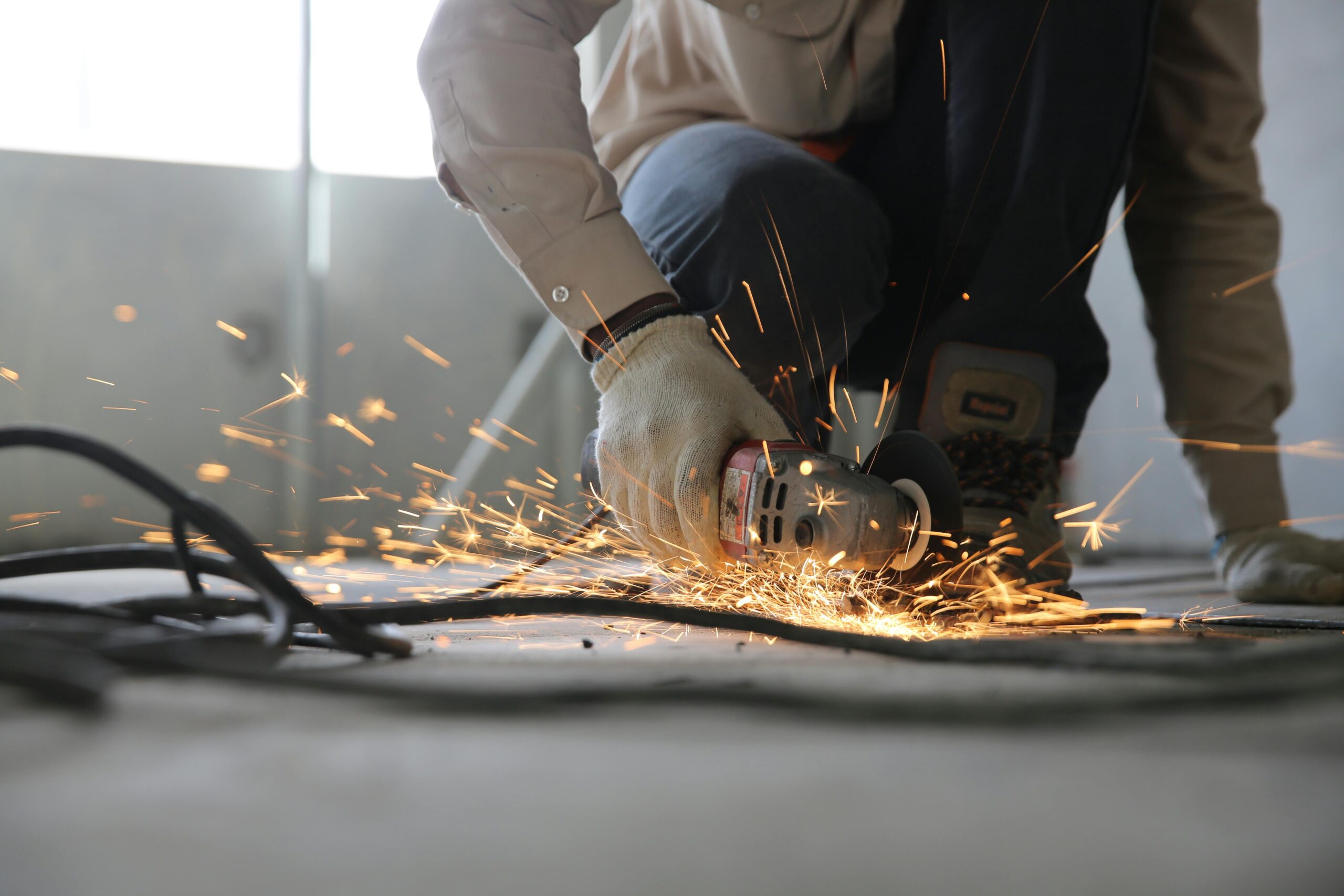
construction worker using a drill to cut

The Promise (and Limits) of Predictive Safety Analytics

Once, safety gear was passive, hard hats, vests, and boots designed to cushion impact. Today, that gear is thinking, sensing, and even alerting before danger hits. 

From biometric shirts to AR-enabled helmets, wearable technology is turning workers into walking safety systems. These tools don’t just protect, they predict, warn, and react in real time. But how far can wearable tech go? And what happens when safety monitoring walks a fine line with surveillance? 

Real-Time Monitoring That Listens to the Body

Fatigue. Dehydration. Overexertion. These aren’t just inconveniences, they’re precursors to serious accidents. Wearable sensors are now embedded in helmets, vests, and even smart shirts to track workers’ vitals in real time. These devices monitor heart rate, temperature, posture, and movement, issuing alerts when a worker’s body shows signs of distress. 

In one study published in PNAS Nexus, multimodal sensors paired with machine learning accurately detected worker fatigue, before it manifested in behavior. For industries where fatigue accounts for up to 20% of injuries, these systems aren’t just helpful, they’re lifesaving. 

The Helmet Gets an Upgrade

At Shell and other industrial leaders, AR-equipped helmets are already in use. These smart helmets display schematics and instructions directly in a worker’s field of view, reducing error and increasing speed, without sacrificing safety. 

As Kevin Swinden of Global Hazmat put it: “Real safety happens in the moment. That’s where tech needs to meet the worker, right in the field, right when it matters.” 

Exosuits and the End of Wear-and-Tear Injuries

Mechanical assistance isn’t science fiction anymore. Exoskeletons are easing the load for workers lifting, twisting, and bending all day. 

Companies like Ford and Toyota have already embraced these devices, reporting fewer musculoskeletal injuries and faster recovery times. The result? Fewer sick days, lower insurance costs, and a workforce that isn’t aging out of the job early. 

Trust the human element remains the foundation. Monitoring your vitals might keep you safe. But it also raises questions. Who sees the data? What happens if someone flags “too tired” to finish a shift? Dr. Johanna Pagonis, a psychological safety expert, offers a warning:  “You can have all the monitors you want, but if workers don’t feel safe speaking up when they’re burning out, you’ll still miss the warning signs.” 

Smart tech only works when it’s built on a culture of trust, not fear. 

Conclusion: The Future of Safety Is Wearable, and Human

The future of safety gear is smart, responsive, and wearable. But it’s only as effective as the culture surrounding it. When workers trust the system, and the people behind it, wearable tech becomes a powerful ally in injury prevention. Want to explore how to integrate wearables into your safety strategy? 

See how wearable tech and artificial intelligence is changing jobsite safety in our newest featured article.

Follow us!

Stay up-to-date with the latest spotlight articles, podcasts, the SafetyNET Magazine, or our book on Leadership for Safety Excellence. All updates will be shared on our social channels, click below to follow us.