


Private Investigator to Safety Leader

Cynthia Konkin’s journey from private investigator to workplace safety leader shows how empathy, root cause analysis, and people-first leadership can transform safety culture across industries.
Graham Jackson Wants You to Lose Your Ego
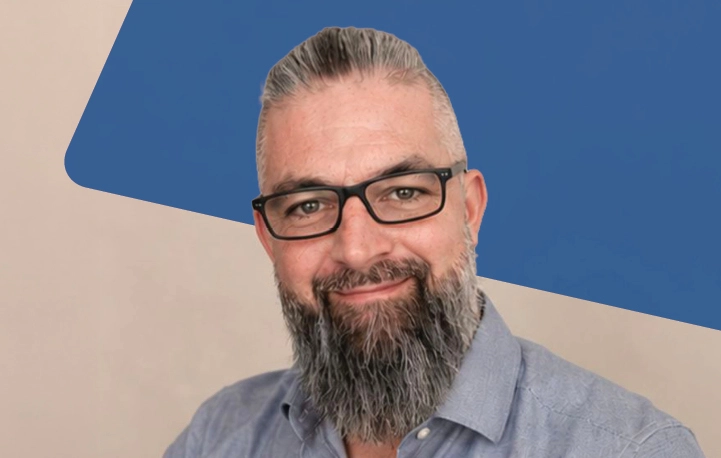
Jackson is the Health and Safety Manager at SkyFire Energy, one of Western Canada’s largest solar contractors. The employee-owned company has been installing solar across the West since 2001. Like a lot of good safety people, he came up through the trades, not a classroom.
Marc Smith on Keeping Safety Human
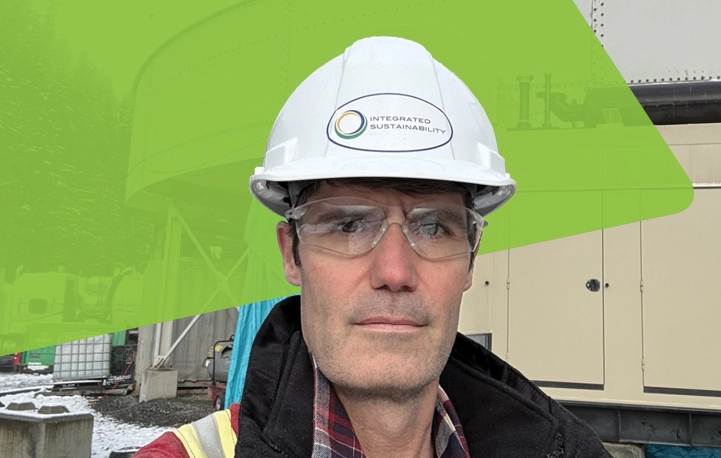
Marc Smith built an AI tool that turns a recorded safety meeting into a finished field document, so he doesn’t have to. He is his company’s de facto AI lead and teaches the tools to other safety professionals. But he is quick to tell you the tools are not the point. The paperwork never was, and neither is the software that now writes it. What keeps people safe, the way Smith sees it, is the conversation the forms are meant to capture. He is more interested in what a worker will tell him than in what any form will say.
Richard Thorpe on Ignoring the Safety Fads
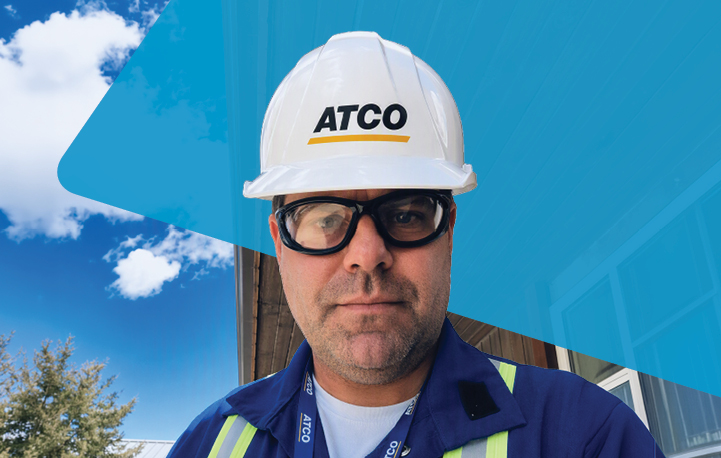
Richard Thorpe names the opposite. He is a Supervisor of Health and Safety at ATCO, the Calgary-based energy and utilities company, and he came to the profession sideways. His first career was in security management, and at a fork in the road he chose safety over becoming a police officer. He holds his CRSP, the Canadian benchmark certification, along with his CHSC. He spent about 15 years as a technical specialist before moving into leadership four years ago. After two decades in the field, he is still looking for his next mentor, and he will tell you the industry’s latest breakthrough usually isn’t one. What Thorpe wants is unfashionable: do the fundamentals better, and stop chasing the next big thing.
Total Buy-In – Failing Safely: Stuntman Lessons on Culture and Communication with Tyler Foley
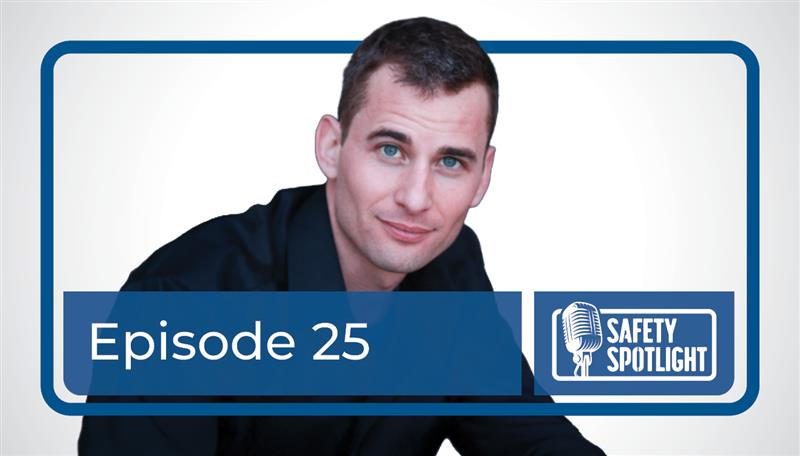
In this Safety Spotlight episode, Tyler Foley of Total Buy-In shares how stunt work shaped his approach to safety, emphasizing real culture, communication, and failing safely.
Risk Assessment Software: The 2025 Guide for Safety Leaders

In 2025, the Risk Assessment Softwares are reshaping how safety leaders handle workplace hazards. From oil fields to factory floors, digital tools help teams manage hazards in real time, streamline compliance, and drive proactive safety.
How Strong Safety Cultures Are Built—and Broken

Learn how companies like Alcoa and Kinder Morgan achieved safety excellence, discover key strategies to foster a safety-first mindset, explore common pitfalls that destroy culture, and understand why real leadership and employee engagement are critical to lasting safety change.
The Most Dangerous Phrase in Safety: “We’ve Always Done It This Way”

Sticking to outdated safety methods leads to avoidable risks, injuries, and fatalities, evolving safety protocols protects workers, challenging the norm drives safer workplaces, leadership and culture must support safety change, resisting new practices undermines protection
From Forest Ranger to Industry Insider: Sarah Anderson’s Fight for Safety

In this Customer Spotlight, Sarah Anderson shares her path from environmental advocacy to safety leadership in heavy industry, and how trust, AI, and influence drive real cultural change.
The Problem with Safety? We Made it Boring.
Home Blog The Problem with Safety? We Made it Boring. We Made It Boring By RDadiz Facebook LinkedIn Lessons from the Trenches Nobody gets into safety because they want to fill out paperwork. They do it because they’ve seen the alternative. The fall that didn’t need to happen. The drum of chemicals that nearly took out half a city block. The team member who never made it home. But somewhere along the line, we buried that urgency in binders. We took a discipline built on adrenaline, risk, and responsibility, and we turned it into a desk job. We reduced it. To clipboards, to compliance checklists. To one-hour training videos that people forget before lunch. We made safety boring. Worse than that, we made it easy to ignore. And if we don’t fix that, people are going to keep getting hurt. Safety Isn’t a Department. It’s a Culture. Walk onto most job sites, and you’ll hear the same thing: “Safety is everyone’s responsibility.” Sounds great. Except that in a lot of companies, safety still lives in its own little silo. The safety person walks the floor, gives a thumbs-up, maybe rattles off a checklist. They go back to their office to update the system. Meanwhile, the crew is out there making real decisions. In real time. With real consequences. They’re the ones balancing a ladder on uneven ground. They’re the ones guessing whether the insulation is live. They’re the ones dealing with surprise weather, faulty equipment, and the very real pressure to get things done fast. Wes Rundle has had to make some of these decisions himself, and knows how important it is to keep safety simple. He’s helped overhaul safety systems across many companies. From emergency planning in chemical plants to concrete coring crews mid-pandemic, he’s seen it all. And the lesson’s always the same: if your system adds friction, people will work around it. You can’t layer complexity onto complexity and expect it to stick. You have to meet people where they are. Make it seamless. Make it make sense. The more forms you pile on, the less likely someone is to stop and think. The goal is not more paperwork. The goal is fewer injuries. Fewer close calls. And more people going home safe. “Safety needs to be simple. Because the work is already complex.” Wes Rundle The Myth of the Competent Worker Here’s a common scenario: a worker finishes their online course, gets the certificate, and their manager checks the box. They’re “trained.” Right? Robin Postnikoff doesn’t buy it. He’s the founder of MI Safety, and he’s watched the industry pretend that theory equals ability. It doesn’t. “We’ve had this idea that a worker can take a generic course and walk out competent,” he says. “But you can’t learn to drive by reading about it. You’ve got to be behind the wheel.” That’s why his company builds practical evaluations right into the system. Learn the theory online. Prove it in person. Simple. Because you’re not training someone for a pop quiz. You’re training them for the moment things go sideways. The equipment jams. The scaffold gives. The procedure fails. That’s when training matters. And it’s not just about liability. It’s about dignity. If you put someone on a job they’re not prepared for, that’s not just a risk. That’s a betrayal. So Where Do We Go From Here? We’ve built systems that look good on paper, but paper doesn’t save lives. The truth is, most safety programs aren’t broken. They’re just built on the wrong foundation. Theory without practice. Compliance without clarity. Rules without ownership. But it doesn’t have to stay that way. Because when safety is done right, it’s not boring. It’s built into every decision, every habit, every conversation that happens before something goes wrong. In Part 2, we’ll dive into what that really looks like, on the ground, in the moment. From psychological safety to VR training to culture that actually sticks. The future of safety isn’t about perfection. It’s about trust, mindset, and showing up for each other, every single day. Follow us! Stay up-to-date with the latest spotlight articles, podcasts, the SafetyNET Magazine, or our book on Leadership for Safety Excellence. All updates will be shared on our social channels, click below to follow us. Facebook Linkedin Related Articles All Posts #EmergencyPreparedness 2025 safety trends 360 Immersive 360immersive 6S Safety accident prevention accidental careers adjustable workstations adult education AI automation AI implementation AI in business AI in operations AI in Safety AI podcast AI strategy AI transformation Alberta safety courses Allan James Moore artificial intelligence asking for help audit findings audit readiness Audit Reporting automation in safety automation strategy avoidable injuries awareness Aztec Safety back strain BambooHR integration behavior-based safety Behavioral Safety behavioural safety biometric sensors BIS Podcast BIS Safety Podcasts BIS Safety Software BIS Safety Spotlight black holes Blame Culture BP Texas City Explosion Brave Leadership Brett Burkard burnout business automation Canadian OHS Canadian safety Canadian safety history Canadian safety standards carbon monoxide Carolynne Heron CCOHS chemical chemical vapors chronic injuries chronic pain cloud-based safety tools Coming Soon community safety programs Competency in Safety complacency in safety Compliance compliance courses Compliance In Canada compliance issues Compliance management Compliance Reporting compliance tools compliance tracking compliance training compliance vs protection Construction advocacy Construction education Construction industry construction safety construction safety training continuous improvement continuous safety improvement corporate culture corporate training corrective actions crane CSA standards Customer Spotlight Customer Spotlight Kevin Swinden Global Hazmat Safety Culture Hazmat Management Dangerous Goods Competency in Safety Workplace Risk Mitigation BIS Training Clients Canadian EHS customized training daily trip inspection Damage Prevention Dangerous Goods dangerous goods classification Danny Sellers data-driven safety Decision Analysis defect management defect tracking defensive driving DEI in onboarding digital compliance digital forms Digital Hazard Reporting Digital Onboarding digital safety Digital Safety Audits Digital safety systems digital safety tools digital safety transformation Digital Training Tools digital transformation DMS features document control document management system Dr. Joanna Pagonis Dr. Tom Krause driver file management driver training driving instructor