BIS Safety Software Canada

Would You Pass a Surprise Safety Inspection?
Here’s What Inspectors Look For
Facebook
LinkedIn
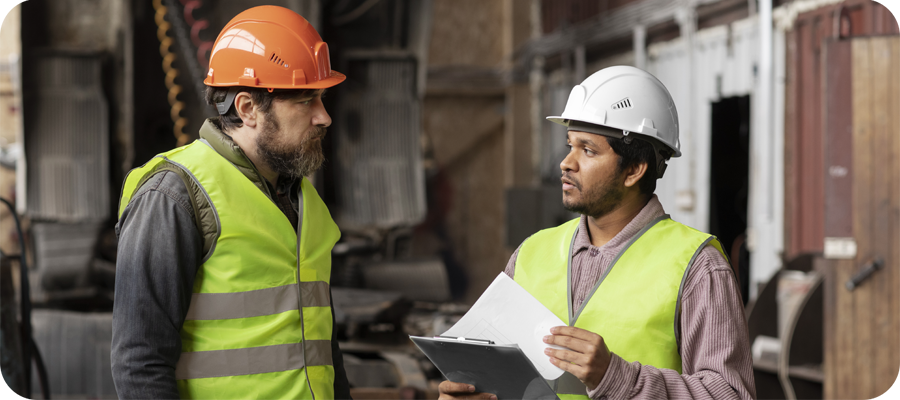
Two Construction worker wearing safety vests and safety helmets

A safety inspection can happen anytime. No warnings, no time to prepare, just an inspector walking in, clipboard in hand. The good news? A workplace that stays ready doesn’t have to worry. When safety is a daily habit, inspections become an opportunity to show what you’re doing right, not a scramble to fix what’s wrong. The best workplaces don’t just pass inspections, they set the standard for others to follow. A strong safety culture isn’t about passing tests. It’s about keeping workers safe, every shift, every day.

What Do Inspectors Check First?

  • Housekeeping – A clean, organized workspace shows a commitment to safety. Inspectors check for clear walkways, properly stored materials, and unobstructed exits. Clutter signals carelessness. A well-kept site reduces accidents and keeps workers focused.
  • PPE Compliance – Workers should be using the right gear for the job. Hard hats, gloves, eye protection, whatever’s required. Proper PPE use signals a culture that values protection, not just policy.
  • Machine Guards and Lockout/Tagout – Equipment must be well-maintained. No missing guards. No bypassed safety switches. Inspectors look for proper lockout/tagout procedures to ensure workers aren’t exposed to deadly risks.
  • Emergency Exits and Equipment – Fire extinguishers, eyewash stations, exit signs, all must be accessible and in working order. In an emergency, workers shouldn’t waste time searching for life-saving tools.
  • Training Records – A well-trained team is a safe team. Inspectors look for up-to date documentation proving workers know safety protocols. If your crew can’t answer basic safety questions, you have a problem.
  • Hazard Communication – Chemicals must be labeled and stored correctly. SDS sheets should be easy to find. A missing label or improper storage isn’t just a violation, it’s a potential disaster.

How to Stay Inspection-Ready

  • Treat Every Day Like Inspection Day- Good safety habits should be second nature. If you wouldn’t want an inspector to see it, it shouldn’t happen in the first place.
  • Fix Small Issues Before They Become Big Ones- A quick cleanup or repair today prevents larger problems tomorrow. A loose wire, a missing guard, a blocked exit, minor now, major later.
  • Keep Training Up to Date – A knowledgeable team makes a safer workplace. Safety refreshers shouldn’t be a once-a-year event. Train often. Reinforce daily.
  • Make PPE a Standard, Not a Suggestion- Workers should have what they need to stay protected. No gear, no work. Simple as that.
  • Conduct Internal Audits- Regular self-checks reinforce a strong safety culture. Walk the site. Spot hazards. Fix them before an inspector has to point them out.
  • Encourage Worker Feedback – The people on the floor know where the real risks are. If workers see a problem, they should feel safe speaking up without fear of backlash.
  • Lead by Example – If supervisors cut corners, workers will too. Safety starts at the top. Set the standard.

Final Thought: Stay Ready, Stay Safe

A workplace that prioritizes safety every day never has to “get ready” for an inspection. It’s already there. Safety isn’t just about compliance, it’s about creating a workplace where everyone feels protected, prepared, and proud of the job they do. When safety is built into the routine, inspections become a chance to showcase success, not scramble to fix mistakes. Strong safety programs get recognized, and workplaces that take safety seriously earn trust from workers, clients, and inspectors alike. The goal isn’t just to pass an inspection, it’s to make sure every worker goes home safe. Every day.

Follow us!

Stay up-to-date with the latest spotlight articles, podcasts, the SafetyNET Magazine, or our book on Leadership for Safety Excellence. All updates will be shared on our social channels, click below to follow us.