
- Home
- Company Spotlights
- From the Rig to Leadership: Mark Leboldus’ Journey in Safety
From the Rig to Leadership: Mark Leboldus’ Journey in Safety

How Real-World Experience Shapes Effective Safety Leadership
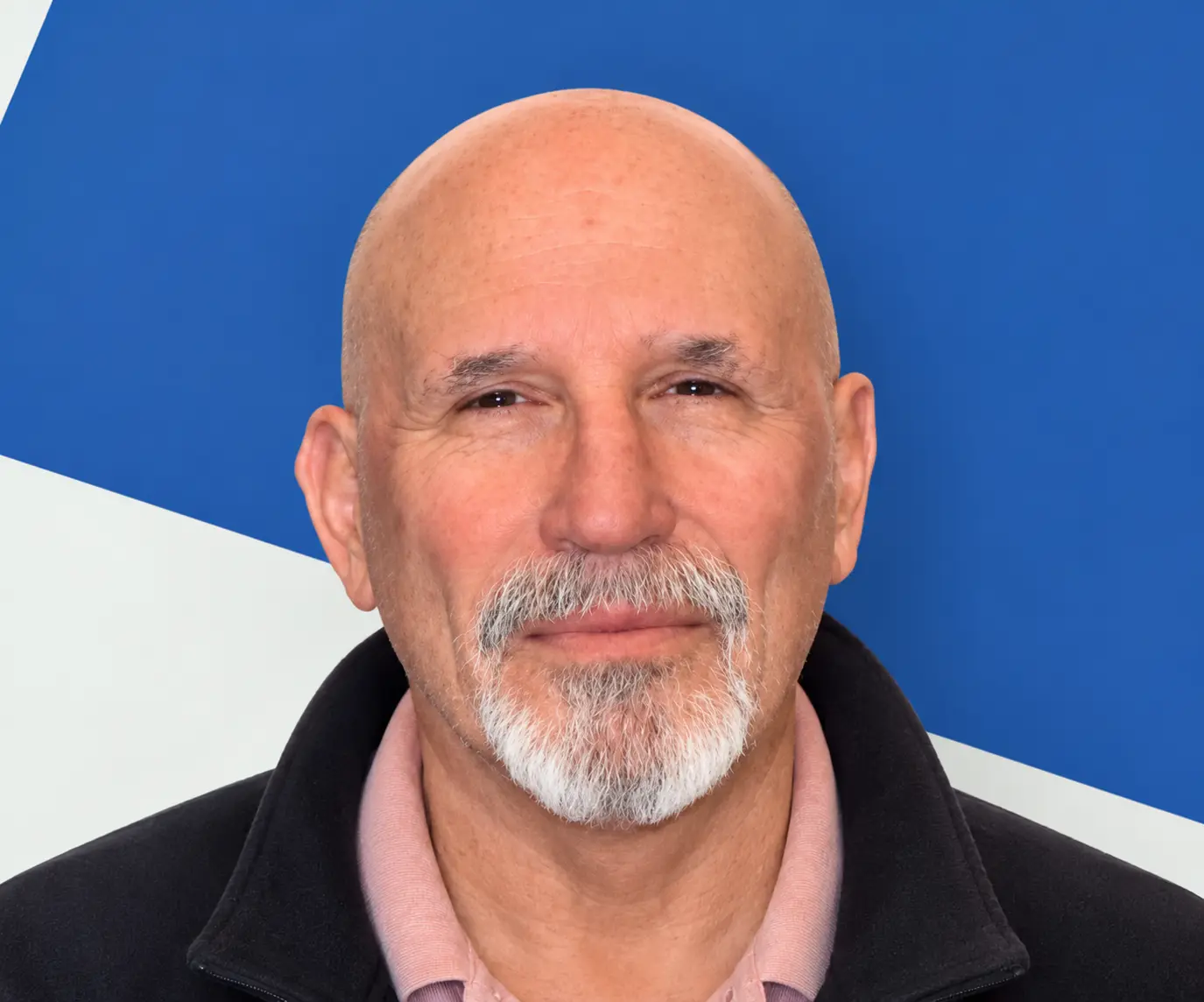
In the oil and gas industry, theoretical safety knowledge means little without operational credibility. Mark Leboldus understands this distinction intimately. As Health and Safety Manager at Big Country Drilling, his leadership carries weight not from credentials alone, but from decades spent in the very environments he now works to protect.
Mark Leboldus knows safety isn’t just about rules, it’s about people. With decades of experience in the field, Mark brings a hands-on perspective to every decision he makes.
“Safety that makes sense to operations, not just from behind a desk, is what drives me.”
A Career Built on Experience
The foundation of Mark’s safety philosophy was shaped in the most demanding classroom: the drilling rig itself. Mark began his career in the oil and gas industry as a lease hand on a rig, working long shifts in challenging environments. Over time, he progressed to a driller position, gaining firsthand knowledge of the realities of fieldwork.
A stint in Australia introduced him to structured safety systems and stronger standardization. These experiences helped him recognize how Risk Homeostasis Theory plays out in the field, when workers feel more skilled or protected, they often take more risks. This shaped his belief that safety systems must be realistic and user-friendly, or people will find workarounds.
Transitioning to Safety Leadership
Strategic career pivots often emerge during industry disruption. During an industry downturn, Mark made a strategic career shift to health and safety, recognizing the opportunity to bring his operational knowledge into a management role. He started as a contractor with Big Country Drilling, and within two years, his expertise and leadership led to a management position. Today, he has been guiding the company’s safety initiatives for over four years.
“I’ve been in the trenches, and that gives me credibility with the teams I work with.”
Connecting with the Workforce
Field presence is non-negotiable in Mark’s leadership model. Mark emphasizes the importance of presence and engagement. Spending over 100 days per year in the field, he connects with employees directly, understanding their challenges and ensuring safety measures are both practical and effective.
Working closely with crews allows him to strengthen situational awareness, it is the ability to perceive, understand, and predict what’s happening around you. In high-risk environments, this awareness can prevent incidents long before they occur.
Navigating Challenges
In the drilling industry, safety is complex. Teams must navigate not only legislative requirements but also client-specific protocols that may not fully align with their operations. Mark’s experience allows him to find practical solutions that satisfy both compliance and operational needs.
“The key is finding realistic solutions that protect our team while meeting client standards.”
Success Through Teamwork
For Mark, success is measured by the evolution of the safety program and the strength of the team behind it.
“It’s not about me, it’s about everyone on the team. Seeing our safety culture grow stronger over the years has been incredibly rewarding.”
His proudest moments come from watching crews take ownership, supporting each other, calling out hazards, and refusing unsafe work. This teamwork aligns with theJob Demand Control Model, which shows that high-risk jobs become safer when workers have autonomy and a voice in how work is done. Mark’s leadership style gives them that control.
Advice for New Safety Managers
Mark believes hands-on experience and strong relationships are essential for new HSE managers.
- Get to know your people.
- Understand the operations.
“You need to be boots on the ground. Without experience in the field, it’s hard to make meaningful safety improvements.”
He also emphasizes building the right team and bringing in the right expertise for program development, especially in unprecedented situations such as a pandemic.
Looking Ahead: The Future of Safety
Mark sees technology and automation as transformative for worksite safety. While new systems may replace traditional roles, he underscores the ongoing importance of human-focused safety leadership.
“The personal aspect of safety will always matter. Caring for people is at the heart of what we do.”
He also notes the evolving focus of safety programs, from minor incidents to preventing significant harm, and the challenge of adapting to shifting standards across different client sites.
A Legacy of Realistic Safety
Mark Leboldus’ journey from rig hand to HSE manager illustrates the power of experience, engagement, and practical thinking in shaping effective safety leadership. His philosophy is simple but powerful: safety works best when it makes sense to the people doing the work.
“Safety begins with understanding the challenges your people face every day.”
Related Articles
Discover Brian’s approach to workplace safety, from identifying hazards and documenting risks to building practical competence and learning from real-life...
Jason Ross of Bird Construction shares how a panic attack on a winter highway in northern Manitoba led him to...
Garrett Hill shares why crews take in the safety message once they know the person delivering it, and what ten...