Reaching Higher Safely: The Importance of Boom Lift Training
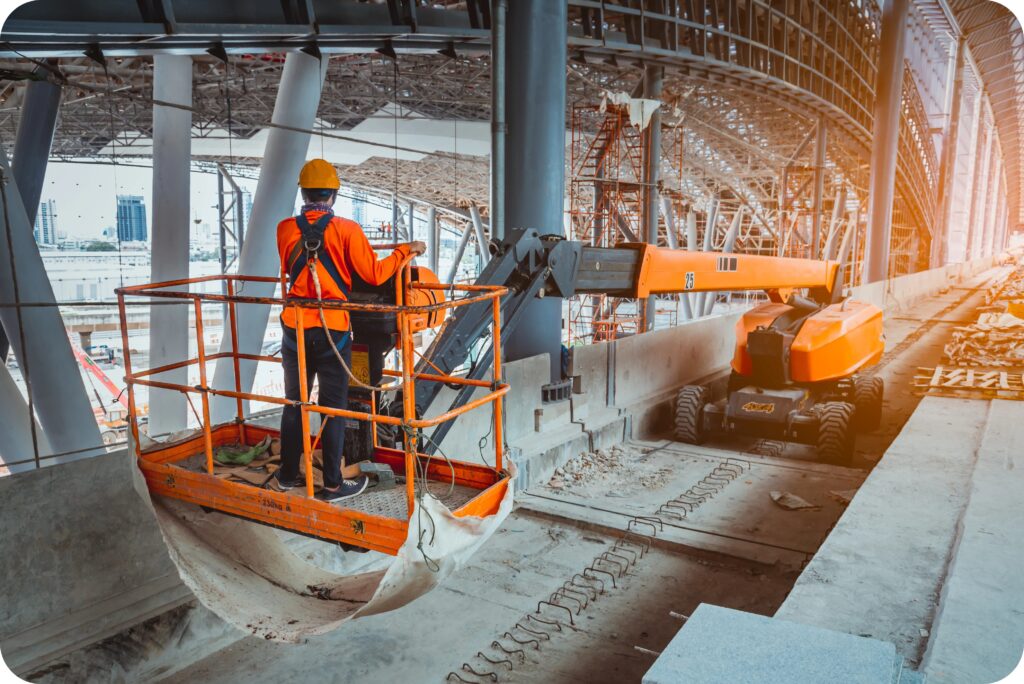
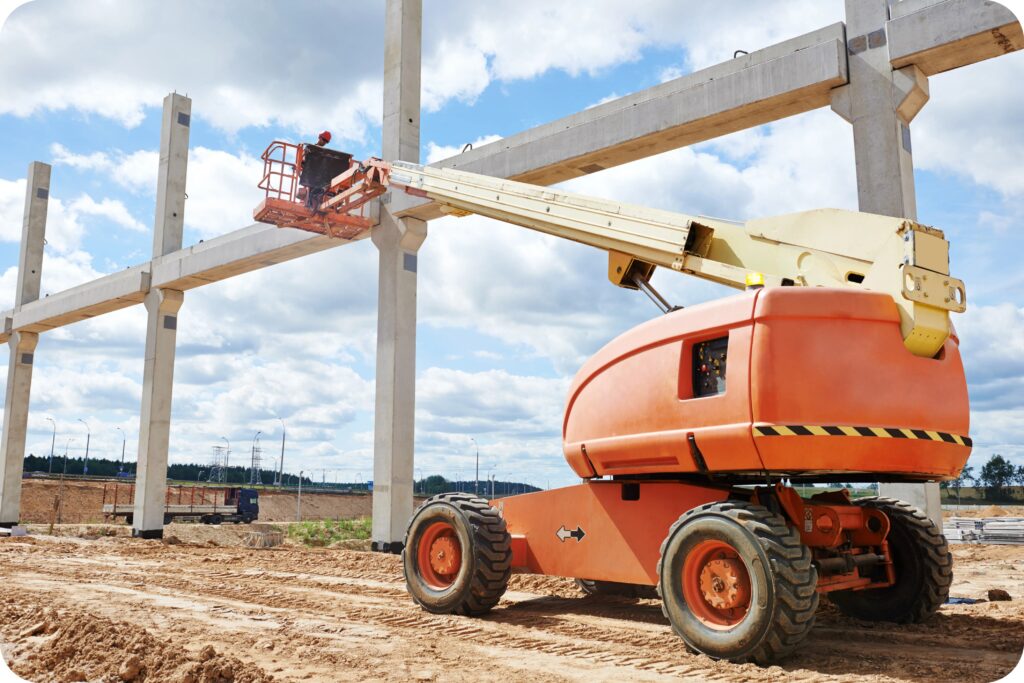
In Canadian construction, maintenance, and utility work, boom lifts (also called MEWPs, man lifts, or cherry pickers) are the go-to piece of equipment for accessing hard-to-reach areas. They provide more reach and stability than ladders and greater flexibility than scaffolds. But with that reach comes risk! A tip-over, a fall, or electrical contact can halt operations and cause serious harm to both workers and property.
Working safely at height on a boom lift isn’t about luck. It’s about training, preparation, and disciplined operation. That’s why proper boom lift training is essential on any jobsite where these machines are used.
Why Boom Lift Safety Matters
Boom lifts make high-access work safer when they’re used correctly. Unfortunately, boom lift incidents are more common than many people think, and most of them stem from preventable errors.
Common Boom Lift Incidents and Why They Happen
Even experienced operators can develop unsafe habits that increase risk. The most frequent hazards linked to human error include:
- Tip-overs from overreaching, overloading, or unstable ground
- Falls from improper tie-off or climbing the guardrail
- Electrocution
- Collisions caused by poor visibility or communication gaps
Underlying causes often include:
- Inadequate or outdated operator training
- Missing or incomplete pre-use inspections
- Overloading the platform
- Operating on uneven or soft ground
- Working near overhead powerlines
- Ignoring wind or weather risks
- Poor communication with spotters or ground crews
These situations are predictable and preventable when workers understand their equipment, proper safety protocols, and the environment they’re operating in.
Don’t Skip the Inspection
Every safe shift begins with an inspection. Boom lifts can develop mechanical issues overnight, and worksites change constantly, too. Before beginning the day’s tasks, workers must:
- Look for cracks, leaks, tire issues, and missing or unreadable decals
- Test emergency stops, alarms, and controls
- Check fluid and battery levels
- Evaluate the ground for potholes, slopes, or unstable soil
- Be aware of environmental factors such as high winds or storms
An inspection checklist isn’t “extra paperwork.” It’s a major safety control that prevents failures and reinforces accountability.
Controlling Hazards at Height
Once a boom lift has been elevated, the margin for error disappears. Operators must:
- Tie off using approved anchor points and a PFAS
- Keep tools secured with toe boards and avoid working above others
- Maintain safe approach distances from powerlines, respecting CSA standards and provincial OHS rules
Electricity can arc from metres away, and even small objects falling from height can be fatal. Prevention starts with situational awareness, and it matters as much as operational skill.
Working Together for Boom Lift Safety
Boom lift safety is everyone’s job:
- Owners must maintain, repair, and certify equipment
- Employers must provide training, PPE, and emergency procedures
- Operators must perform inspections and follow safe work practices
When each person takes responsibility for their role in workplace safety, risks are reduced and productivity climbs. Compliance isn’t just about meeting regulations; it’s about sending every worker home safely after a job well done.
Stay Safe with BIS Boom Lift Training
Boom lifts make work faster and safer, but only when operated by trained, competent workers. BIS Safety Software’s Boom Lift Safety Course helps employers and workers:
- Recognize hazards and avoid common incidents
- Understand lift classifications and safe operation principles
- Perform thorough pre-use inspections
- Use fall protection and PPE correctly
- Stay compliant with CSA and OHS regulations
Investing in training protects your people, your reputation, and your bottom line.
Enroll your team today!
Related Articles

Discover Brian’s approach to workplace safety, from identifying hazards and documenting risks to building practical competence and learning from real-life...

Jason Ross of Bird Construction shares how a panic attack on a winter highway in northern Manitoba led him to...

Garrett Hill shares why crews take in the safety message once they know the person delivering it, and what ten...