BIS Safety Software Canada

  • Home
  • Blog
  • Winter Safety in the Workplace: Stopping Slips, Trips, and Falls Before They Start
Winter Safety in the Workplace: Stopping Slips, Trips, and Falls Before They Start
Facebook
LinkedIn
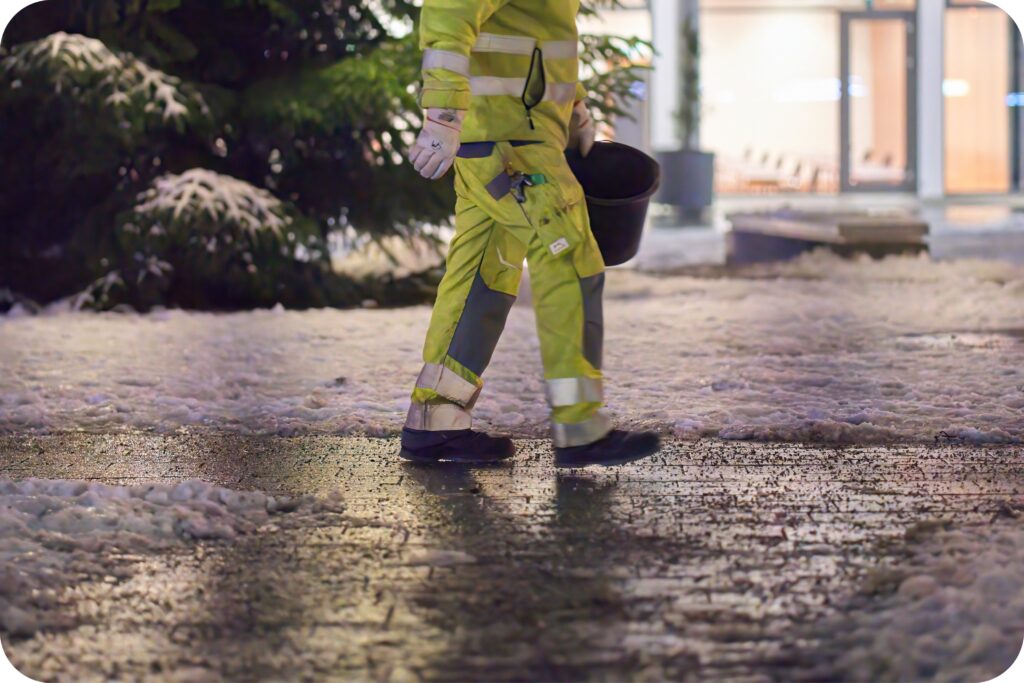
Maintenance staff applying ice melt on a slick pathway at night to improve traction and prevent injuries.

When you think of falls in the workplace, what comes to mind? If falls from ladders or scaffolds come to mind, you’re not alone. While safety when working at height is a vital and well-covered part of workplace safety, it’s also important to remember that falls from height are not the ones that happen. In fact, falls from heights only count for less than 1/3 of all falls in the workplace. That means that 67% of workplace falls are slips, trips, and falls on the same level (STFL for short). 

These incidents rarely make headlines, but they carry real consequences. A slip on ice or a trip over uneven pavement can mean sprains, broken bones, or long-term recovery time away from work. With winter on the way, now is the time to prepare, not after the first snow storm.

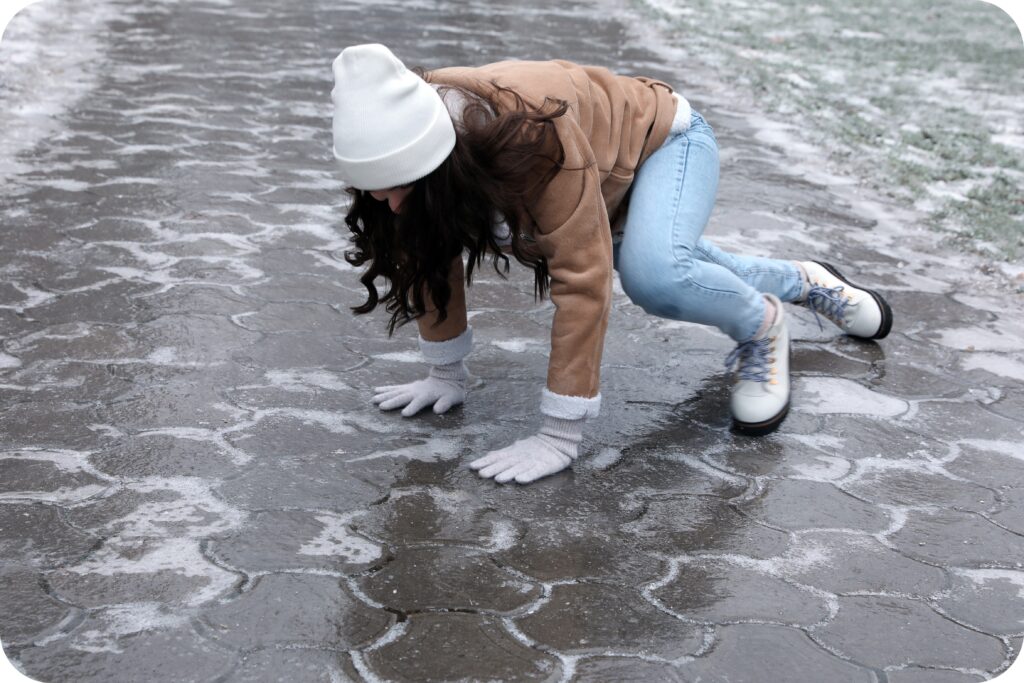
Employee slipping on an icy walkway, illustrating winter slip, trip, and fall hazards at ground level.

What Causes Slips, Trips and Falls on the Same Level?

Winter brings its own set of hazards that make STFL more likely: 

  • Ice build-up on sidewalks, loading docks, and parking lots 
  • Snow melt and puddles tracked indoors, leaving slick entryways 
  • Uneven or cracked pavement hidden beneath snow or appearing after a freeze and thaw 
  • Reduced visibility from shorter days and poorly lit work areas 

These risks may seem minor compared to other workplace hazards, but they add up. One overlooked patch of black ice is enough to put a worker on the sidelines for weeks.

How to Prevent Slips, Trips and Falls in Winter

The best prevention starts with awareness. Hazards need to be identified before they can be controlled. Encourage your team to take part in inspections, because workers who walk the site daily often notice risks that others might miss. Fresh eyes from supervisors or safety advisors can also bring valuable perspective. 

Some practical tips include:  

  • Improve traction: Apply ice melt at entrances, walkways, and parking areas. Keep supplies accessible and restock as needed 
  • Control water indoors: Use absorbent mats at entryways and increase cleaning frequency during wet conditions 
  • Light the way: Add or adjust lighting in outdoor paths, stairways, and loading areas to improve visibility 
  • Maintain walkways: Repair uneven pavement or cover problem areas until permanent fixes can be made

Hazard Controls to Prevent Slips, Trips, and Falls

STFL hazards look different in every workplace. However, by using the hierarchy of hazard controls, you can ensure you’re addressing the hazards in the safest ways.  

 Look for ways to: 

  • Eliminate the need to go outdoors 
  • Substitute current work practices for safer options 
  • Introduce engineering and administrative controls to keep workers safe  

Some simple, high-impact steps include: 

  • Do outdoor tasks during the day (e.g., take out the trash while it’s still light) 
  • Use signs to warn of wet floors or icy walkways 
  • Increase cleaning and mat replacement at entryways 
  • Schedule frequent inspections 

For crews who work outdoors or travel between sites, snow, ice, and low light can’t always be avoided. These workers need training to evaluate conditions and adjust their movements accordingly. Pair that training with the right PPE, like sturdy boots with proper tread or spikes, and the risk of STFL drops significantly.

Maintenance staff applying ice melt on a slick pathway at night to improve traction and prevent injuries.

Staying Ahead of Winter Hazards

Slips, trips, and falls might not sound dramatic, but the impact is very real. They slow productivity, cause injuries, and strain both workers and employers. The best approach is proactive: inspect early, apply controls consistently, and prepare staff to handle conditions as they change. 

Winter doesn’t have to be the season of avoidable injuries. With the right planning, your team can move through ice and snow with confidence and stay standing all season long. 

Winter hazards won’t wait. Enroll your team in our Slips, Trips and Falls Prevention course today and turn icy risks into safe steps forward.

Follow us!

Stay up-to-date with the latest spotlight articles, podcasts, the SafetyNET Magazine, or our book on Leadership for Safety Excellence. All updates will be shared on our social channels, click below to follow us.