
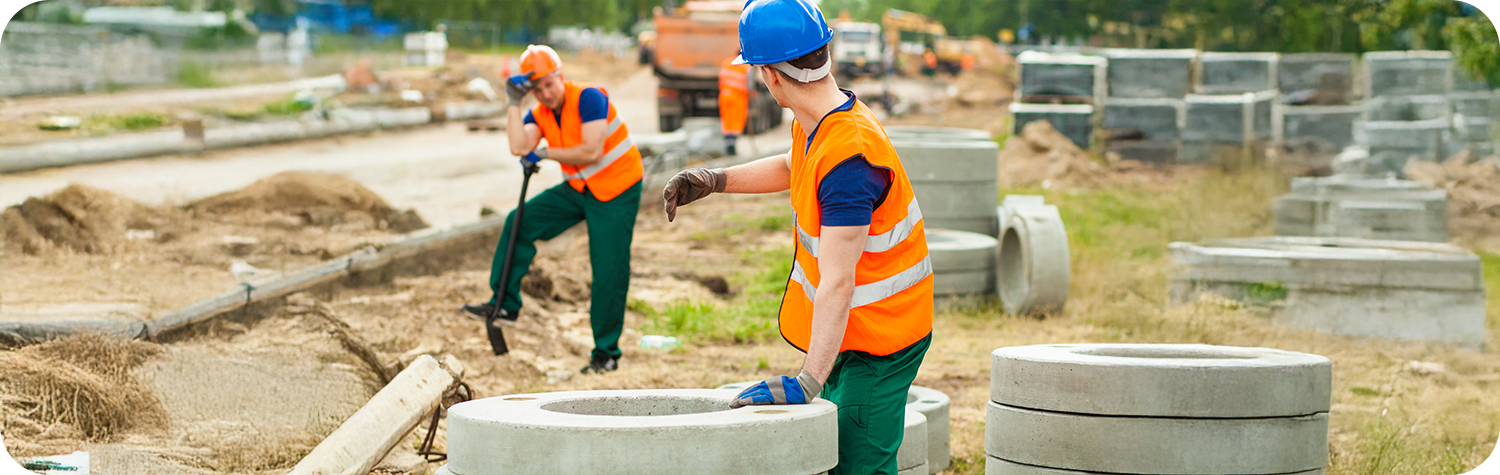
Too many workers ignore exhaustion, strain, and danger just to prove they’re tough. They ignore pain, refuse help, and take unnecessary risks, all because they don’t want to look weak. This “tough guy” mentality is not only outdated, but dangerous. Workplace injuries aren’t just freak accidents. They happen when workers push too hard instead of asking for help. The reality? No one wins when safety takes a back seat to pride.
The Problem with Pushing Through
Workplaces thrive on teamwork, but the tough-it-out mindset creates more harm than good. Here’s why:
▸ Injuries Get Ignored
Small strains turn into lifelong damage when workers don’t report them. A sore back today can turn into a serious spinal injury down the road
▸ Unsafe Shortcuts Become Habits
If one person skips PPE or proper lifting techniques, others follow. Over time, cutting corners becomes the norm.
▸ Exhaustion Leads to Mistakes
▸ Help gets Stigmatized
If asking for assistance is seen as weakness, workers won’t speak up, even when they need to. No one should have to choose between looking “tough” and staying safe.
Ignoring these risks doesn’t just hurt individuals, it affects the entire team. When one worker gets injured, others must pick up the slack. This increases strain and the likelihood of further accidents. A single injury can start a chain reaction that puts an entire crew at risk.

Real Strength is Knowing Your Limits
Being “tough” isn’t about pushing through pain or working past exhaustion. It’s about knowing when to step back, ask for help, or report a hazard.
Smart workers use resources. Asking for help isn’t a failure, it’s using the team to get the job done safely. Even experienced workers can get hurt if they ignore safety. Experience doesn’t make anyone invincible. Fatigue-related accidents are just as dangerous as any other workplace hazard. Taking breaks isn’t laziness, it’s survival. Staying safe means knowing when to ask for help, when to rest, and when to put safety ahead of pride.
Strength is also about looking out for others. If a coworker is struggling with a heavy load or looks exhausted, stepping in matters. Helping isn’t just teamwork, it’s smart safety. Watching out for each other isn’t weakness. It’s the mark of a strong, safety-conscious crew.
Changing the Culture
1. Lead By Example
When leaders prioritize safety over bravado, workers follow. If supervisors ask for help and take breaks, employees will feel comfortable doing the same.
2. Encourage Open Communication
Make it clear that speaking up about hazards or injuries is the right move, not a sign of weakness. Reinforce that reporting concerns isn’t complaining, it’s taking responsibility for safety.
3. Offer Better Training
Reinforce proper lifting techniques, fatigue management, and teamwork in safety programs. Address cultural expectations that glorify overexertion and risky behavior.
4. Recognize Smart Decisions
Reward workers who ask for assistance, take breaks, or report issues before they escalate. Positive reinforcement builds a safety-first mindset.
5. Break the Stigma
Actively challenge the idea that asking for help makes someone weak. Recognize and support workers who take safety seriously. Real toughness isn’t about pushing through, it’s about working smart, not reckless.
Final Thought: Strength Is Staying Safe
Work smart. Stay strong. Speak up.
Related Articles
Chris Vienneau of Clark Builders explains how crews are trained to spot the hazards that could kill them, sharing lessons...
Discover Brian’s approach to workplace safety, from identifying hazards and documenting risks to building practical competence and learning from real-life...
Jason Ross of Bird Construction shares how a panic attack on a winter highway in northern Manitoba led him to...