“It Won’t Happen to Me”: Why Overconfidence Puts Workers at Risk

The mindset of invincibility is endangering workers every day. Discover how overconfidence leads to complacency—and how leaders can change the culture.
Why Accidental Safety Leaders Are the Ones Who Make the Biggest Impact

They didn’t plan to be safety professionals, but that’s exactly what makes them effective—stories of grit, leadership, and impact from the field.
The Most Dangerous Phrase in Safety: “We’ve Always Done It This Way”

Sticking to outdated safety methods leads to avoidable risks, injuries, and fatalities, evolving safety protocols protects workers, challenging the norm drives safer workplaces, leadership and culture must support safety change, resisting new practices undermines protection
Astec Safety – Coming Full Circle: Safety Leadership with Jeff Mulligan

Safety didn’t start as the headline, it became the mission. In this Safety Spotlight episode, Jeff Mulligan explains how treating safety as strategy protects workers and communities, why hidden infrastructure is the next big risk, and how AI can amplify expert trainers amid accelerating knowledge loss.
Journey Leadership – Party Crashing the Safety Status Quo: Allan James Moore on Redefining Safety Leadership

Explore Allan James Moore’s “Party Crasher” philosophy and how empathy, humor, and leadership reshape safety culture in this insightful podcast.
The Problem with Safety? We Made it Boring.

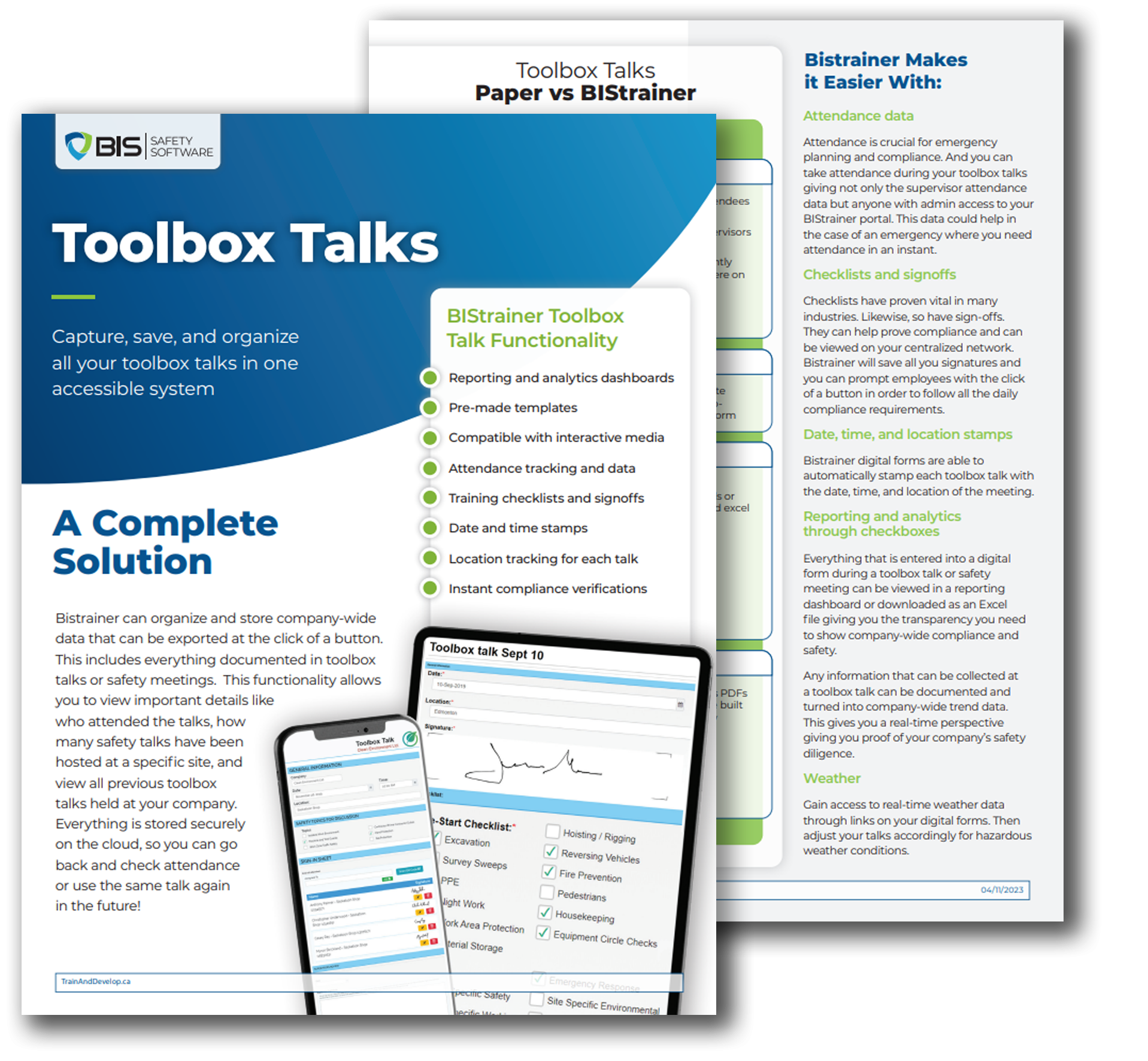
Home Blog The Problem with Safety? We Made it Boring. We Made It Boring By RDadiz Facebook LinkedIn Lessons from the Trenches Nobody gets into safety because they want to fill out paperwork. They do it because they’ve seen the alternative. The fall that didn’t need to happen. The drum of chemicals that nearly took out half a city block. The team member who never made it home. But somewhere along the line, we buried that urgency in binders. We took a discipline built on adrenaline, risk, and responsibility, and we turned it into a desk job. We reduced it. To clipboards, to compliance checklists. To one-hour training videos that people forget before lunch. We made safety boring. Worse than that, we made it easy to ignore. And if we don’t fix that, people are going to keep getting hurt. Safety Isn’t a Department. It’s a Culture. Walk onto most job sites, and you’ll hear the same thing: “Safety is everyone’s responsibility.” Sounds great. Except that in a lot of companies, safety still lives in its own little silo. The safety person walks the floor, gives a thumbs-up, maybe rattles off a checklist. They go back to their office to update the system. Meanwhile, the crew is out there making real decisions. In real time. With real consequences. They’re the ones balancing a ladder on uneven ground. They’re the ones guessing whether the insulation is live. They’re the ones dealing with surprise weather, faulty equipment, and the very real pressure to get things done fast. Wes Rundle has had to make some of these decisions himself, and knows how important it is to keep safety simple. He’s helped overhaul safety systems across many companies. From emergency planning in chemical plants to concrete coring crews mid-pandemic, he’s seen it all. And the lesson’s always the same: if your system adds friction, people will work around it. You can’t layer complexity onto complexity and expect it to stick. You have to meet people where they are. Make it seamless. Make it make sense. The more forms you pile on, the less likely someone is to stop and think. The goal is not more paperwork. The goal is fewer injuries. Fewer close calls. And more people going home safe. “Safety needs to be simple. Because the work is already complex.” Wes Rundle The Myth of the Competent Worker Here’s a common scenario: a worker finishes their online course, gets the certificate, and their manager checks the box. They’re “trained.” Right? Robin Postnikoff doesn’t buy it. He’s the founder of MI Safety, and he’s watched the industry pretend that theory equals ability. It doesn’t. “We’ve had this idea that a worker can take a generic course and walk out competent,” he says. “But you can’t learn to drive by reading about it. You’ve got to be behind the wheel.” That’s why his company builds practical evaluations right into the system. Learn the theory online. Prove it in person. Simple. Because you’re not training someone for a pop quiz. You’re training them for the moment things go sideways. The equipment jams. The scaffold gives. The procedure fails. That’s when training matters. And it’s not just about liability. It’s about dignity. If you put someone on a job they’re not prepared for, that’s not just a risk. That’s a betrayal. So Where Do We Go From Here? We’ve built systems that look good on paper, but paper doesn’t save lives. The truth is, most safety programs aren’t broken. They’re just built on the wrong foundation. Theory without practice. Compliance without clarity. Rules without ownership. But it doesn’t have to stay that way. Because when safety is done right, it’s not boring. It’s built into every decision, every habit, every conversation that happens before something goes wrong. In Part 2, we’ll dive into what that really looks like, on the ground, in the moment. From psychological safety to VR training to culture that actually sticks. The future of safety isn’t about perfection. It’s about trust, mindset, and showing up for each other, every single day. Follow us! Stay up-to-date with the latest spotlight articles, podcasts, the SafetyNET Magazine, or our book on Leadership for Safety Excellence. All updates will be shared on our social channels, click below to follow us. Facebook Linkedin Related Articles All Posts #EmergencyPreparedness 2025 safety trends 360 Immersive 360immersive 6S Safety accident prevention accidental careers adjustable workstations adult education AI automation AI implementation AI in business AI in operations AI in Safety AI podcast AI strategy AI transformation Alberta safety courses Allan James Moore artificial intelligence asking for help audit findings audit readiness Audit Reporting automation in safety automation strategy avoidable injuries awareness Aztec Safety back strain BambooHR integration behavior-based safety Behavioral Safety behavioural safety biometric sensors BIS Podcast BIS Safety Podcasts BIS Safety Software BIS Safety Spotlight black holes Blame Culture BP Texas City Explosion Brave Leadership Brett Burkard burnout business automation Canadian OHS Canadian safety Canadian safety history Canadian safety standards carbon monoxide Carolynne Heron CCOHS chemical chemical vapors chronic injuries chronic pain cloud-based safety tools Coming Soon community safety programs Competency in Safety complacency in safety Compliance compliance courses Compliance In Canada compliance issues Compliance management Compliance Reporting compliance tools compliance tracking compliance training compliance vs protection Construction advocacy Construction education Construction industry construction safety construction safety training continuous improvement continuous safety improvement corporate culture corporate training corrective actions crane CSA standards Customer Spotlight Customer Spotlight Kevin Swinden Global Hazmat Safety Culture Hazmat Management Dangerous Goods Competency in Safety Workplace Risk Mitigation BIS Training Clients Canadian EHS customized training daily trip inspection Damage Prevention Dangerous Goods dangerous goods classification Danny Sellers data-driven safety Decision Analysis defect management defect tracking defensive driving DEI in onboarding digital compliance digital forms Digital Hazard Reporting Digital Onboarding digital safety Digital Safety Audits Digital safety systems digital safety tools digital safety transformation Digital Training Tools digital transformation DMS features document control document management system Dr. Joanna Pagonis Dr. Tom Krause driver file management driver training driving instructor
Jody Young vs. Workplace Tragedy

Home Blog Jody Young vs. Workplace Tragedy A Career Spent Fighting for Safer Jobs Young on cultures of “top-down safety”. By RDadiz Facebook LinkedIn “Every worker should go to work and come home in the same shape they left.” Jody Young has spent 35 years in health and safety. She has shaped policies. She has enforced compliance. She has made a real impact on workplace safety in Canada. Her career spans both public and private sectors. That gives her a unique depth of experience. Now, she leads Workplace Safety and Prevention Services (WSPS). Over the years, she has watched safety regulations evolve. She has seen the challenges companies face in protecting their workers. And she knows what happens when they fail. She has witnessed the ripple effects of unsafe workplaces. The long-term consequences don’t just impact injured workers. Families suffer. Communities feel the loss. A single lapse in safety can lead to lawsuits, financial ruin, and immeasurable grief. For Young, this is more than just a job. It’s a quest to make a difference through prevention. From Environmental Science to Safety Leadership Young was an environmental science student at the University of Toronto. She took a summer placement in a mining company’s environment and health and safety department. That experience changed everything. She saw how safety could mean the difference between life and death. She started out in industrial hygiene testing, both underground and in surface plants. WHMIS was just being introduced, and she helped with surveys and training. Over time, employers sought professionals who understood both environmental and safety compliance. That demand worked in her favor. She landed key job opportunities and spent years in the private sector. Mining. Abrasives manufacturing. Construction. Waste handling. Paint manufacturing. Each industry had its own risks. She saw workers injured. She saw how preventable incidents disrupted lives. When safety failed, workers – and their families – paid the price. Then she moved into the public sector. She worked for labour ministries in Ontario and Alberta. That’s when she saw how big an impact compliance and enforcement could have. “I felt that I could actually make a bigger impact in safety. The results were immediate, and you could see the difference.” Jody Young She saw it firsthand, investigations, fines, court cases, and families left broken by a single moment. Every injury, every fatality, reinforced her mission. Her work didn’t stop at enforcing laws. She worked with businesses to help them improve safety practices. She connected employers with best practices. Following regulations wasn’t enough. They had to build safer workplaces. She connected businesses with government agencies. Together, they built a stronger safety culture. A Personal Mission For Young, safety isn’t just a career. It’s personal. “My own father suffered a life-altering accident in his workplace. I’ve always only known my father with one leg,” she says. That reality shaped her perspective. She understood what workplace injuries did to families. Her work as an investigator made her passion even stronger. She has sat with families who lost loved ones. She has guided them through investigations and court cases. She has been in their homes, held their hands, and seen their grief up close. These moments fueled her mission. No worker should suffer because an employer cut corners or simply lacked awareness. No child should grow up without a parent because a company ignored basic safety measures. Young has also worked with injured workers. She has seen the physical and emotional toll. People who once thrived in their jobs now struggle with pain, disability, and financial instability. These stories stay with her. She believes the best way to prevent tragedies is to foster a culture where safety is valued from the top down. That means pushing for strong leadership commitment. Encouraging open dialogue about risks. Creating policies that go beyond the bare minimum to truly protect workers. The Role of WSPS in Ontario’s Safety System Today, Young leads WSPS, a key player in Ontario’s health and safety system. She describes WSPS as part of a three-legged stool. The Workplace Safety and Insurance Board (WSIB) handles compensation and return to work and supports prevention. The Ministry of Labour, Immigration, Training and Skills Development sets, communicates and enforces occupational health and safety requirements. WSPS’ role is to focus on providing training and consulting services to prevent workplace injuries and illnesses. “We have an important mandate set out in legislation,” Young explains. “We are part of the prevention system funded by employer premiums collected through the WSIB.” WSPS works directly with businesses. They help develop safety programs. They conduct risk assessments. They offer hands-on training. The goal is simple, stop accidents before they happen. WSPS provides guidance on everything from machine safety and robotics to workplace violence and harassment and mental health. They help small businesses create safety programs that are legislatively compliant. WSPS’ sector specific training programs and onsite services teach employers and workers to spot risks early. The goal: stop tragedies before they happen. Young emphasizes that WSPS doesn’t just offer services, it builds relationships. Companies that work with WSPS get expert assistance in building their safety programs. Safety isn’t just a checklist. It becomes part of how they operate. She sees it firsthand. Companies that embrace safety run better. Workers stay longer. Morale improves. Productivity rises. A Moral Obligation Young has one core belief: Every worker should go to work and come home in the same shape they left. She sees safety as a duty, not a burden. “It’s not just about avoiding fines. Employers must protect their workers. The cost of failure is too high. People’s lives are at stake.” Jody Young Safety isn’t just about compliance. It’s about culture. Workers need to feel safe speaking up. Leaders need to act before accidents happen. Companies that invest in safety see fewer injuries. But they also see higher morale and better productivity. She knows that some businesses still resist safety measures. They see them as costly. Time-consuming. Bureaucratic. But she also knows that one accident can
Top 10 Red Flags in Safety Audits

Home Blog Top 10 Red Flags in Safety Audits How to Avoid Them By RDadiz Facebook LinkedIn Safety audits are essential for ensuring workplace compliance and protecting employees. They bring to light the weak points in a safety program and provide actionable insights for improvement. However, common issues can derail audits, leading to penalties, operational disruptions, or worse, preventable incidents. Avoiding these pitfalls doesn’t require perfection. It requires preparation, follow-through, and attention to detail. Here are ten common red flags auditors encounter and practical ways to address them. 1. Disorganized or Missing Documentation The Issue: Incident reports, inspection logs, or training records are incomplete, outdated, or hard to locate. Why It Matters: Documentation is the backbone of safety compliance. Gaps in records raise questions about whether processes are being followed consistently. How to Address It: Store all safety-related documents in a centralized system, whether digital or physical. Automate reminders for updates to keep records current and ensure they’re easily accessible during an audit. 2. Training Records That Don’t Measure Up The Issue: Employees have incomplete or outdated safety training records, including missed refresher courses. Why It Matters: Training equips workers with the knowledge to manage risks effectively. Inadequate records suggest that critical skills and safety protocols may not be properly reinforced. How to Address It: Use a Learning Management System (LMS) to track training participation and completion. Schedule refresher courses at regular intervals and focus on high-risk roles to ensure readiness across the workforce. Key Takeaways Safety audits reveal your culture, not just your compliance. Messy records and repeat hazards tell a story. Make sure it’s the right one. Proactive systems prevent red flags. From training logs to maintenance checks, automation and structure are your best friends. Leadership sets the tone. When safety isn’t a top-down priority, it shows, and so do the risks. Follow-through is everything. A strong audit isn’t just about finding issues, it’s about proving you’re fixing them. 3. Incomplete Equipment Maintenance Logs The Issue: Maintenance records for machinery or equipment are inconsistent or nonexistent. Why It Matters: Poorly maintained equipment increases the likelihood of accidents and signals a lack of proactive risk management. How to Address It: Implement a maintenance tracking system to log inspections and repairs. Set up automated reminders for routine checks to prevent lapses and ensure that every piece of equipment is safe to operate. 4. Lack of Reporting for Near-Misses The Issue: Near-miss incidents are rarely reported or poorly documented. Why It Matters: Near-misses provide a critical opportunity to address hazards before they escalate into injuries. A lack of reporting indicates potential blind spotsin risk identification. How to Address It: Create a non-punitive reporting system that makes it easy for employees to flag near-misses. Mobile tools or simple forms can streamline the process and encourage participation. 5. PPE Non-Compliance The Issue: Employees are either not wearing or improperly using personal protective equipment (PPE). Why It Matters: Consistent PPE usage is fundamental to workplace safety. Visible lapses undermine compliance efforts and put workers at unnecessary risk. How to Address It: Conduct regular safety observations to verify PPE use and reinforce training on proper practices. Signage in high-risk areas can also serve as a visual reminder. 6. Emergency Plans That Are Outdated or Unpracticed The Issue: Emergency response plans are outdated, incomplete, or haven’t been tested with drills. Why It Matters: An unclear or untested plan can lead to confusion during emergencies, putting workers and operations at greater risk. How to Address It: Review and update emergency plans annually. Conduct drills to test preparedness and ensure employees understand their roles and responsibilities during a crisis. 7. Hazards That Keep Reappearing The Issue: Recurring issues identified in previous audits remain unresolved. Why It Matters: Repeated hazards suggest a lack of accountability and undermine trust in the safety program. How to Address It: Treat audit findings as action items with clear deadlines and responsibilities. Regularly track progress to ensure corrective actions are completed and prevent recurring issues. 8. Disengaged Leadership The Issue: Managers and leadership are absent from safety initiatives or minimally involved in audits. Why It Matters: Leadership involvement is critical for reinforcing a culture of safety. A lack of engagement sends a message that safety isn’t a priority. How to Address It: Involve leaders in safety meetings, audits, and training sessions. Make safety metrics a regular part of leadership reviews to keep it on the agenda and emphasize its importance. 9. Poor Communication of Safety Updates The Issue: Safety updates, protocols, or audit findings aren’t consistently shared with employees. Why It Matters: Gaps in communication lead to confusion, reduced compliance, and repeated issues that could have been avoided with better transparency. How to Address It: Develop a clear communication strategy for all safety updates. Use multiple channels like email, team meetings, and digital dashboards to ensure every employee stays informed. Safety software can track acknowledgment to verify employees receive critical information. 10. Neglected Audit Follow-Ups The Issue: Recommendations from previous audits are not implemented or tracked. Why It Matters: Ignoring audit findings demonstrates a lack of commitment to improving safety processes and creates repeated vulnerabilities. How to Address It: Turn audit recommendations into actionable plans. Assign accountability for each task, set deadlines, and track progress until every item is resolved. How Safety Software Helps You Stay Ahead Preparing for audits doesn’t have to be an overwhelming task. Safety management software simplifies the process by automating key compliance requirements and centralizing data. Key Features to Look For: Centralized Dashboards: Consolidate all safety data for quick access during audits. Automated Alerts: Stay on top of training, inspections, and maintenance schedules. Audit-Ready Reporting: Generate detailed reports that meet compliance standards with minimal effort. The Bottom Line: Audit Preparation Simplified Safety audits are opportunities to demonstrate your organization’s dedication to protecting employees and maintaining compliance. Avoiding common red flags requires consistent follow-through, organized documentation, and proactive leadership. By addressing these issues and leveraging the right tools, you can streamline the audit process, improve safety outcomes, and build
The Safety Metrics That Matter

Home Blog The Safety Metrics That Matter How to Track and Improve Workplace Safety By RDadiz Facebook LinkedIn Safety in the workplace isn’t just a box to check, it’s a strategy that impactsproductivity, morale, and compliance. But how do you know if your safety efforts are truly working? Tracking the right metrics provides the clarity needed to assess your current programs, identify risks, and drive continuous improvement. Metrics are more than numbers, they’re a window into your organization’sstrengths and weaknesses. The right data shows what’s working, where gaps exist, and how to make real progress. This guide explores the key safety metrics every organization should track, why they matter, and how they can build a stronger, safer culture. Why Metrics Are Essential for Safety Management It’s easy to assume that safety efforts are effective simply because there hasn’t been a recent incident. But this reactive mindset leaves organizations vulnerable. Metrics allow you to move beyond assumptions and take a proactive approach. Here’s why tracking safety metrics is critical: Identify Trends: Metrics uncover patterns in incidents, near-misses, and compliance gaps, providing actionable insights. Set Priorities: Clear data highlights where to focus your efforts,whether it’s a particular department, process, or hazard. Measure Success: Safety initiatives need measurable goals. Metrics show whether you’re meeting them or need to adjust. Improve Accountability: Transparent data ensures everyone, from frontline workers to executives, understands their role in improving safety. Safety metrics turn vague objectives like “reduce accidents” into specific, trackable actions. They’re the foundation of a safety program that delivers real results. Key Takeaways The best safety programs are built on data, not assumptions. Metrics give leaders the visibility they need to prioritize, improve, and stay proactive. Leading indicators like near-miss reports and safety observations drive real change. They spotlight risk before it becomes an incident. Tracking compliance and training completion keeps your workforce prepared, and your business protected. It’s not just about meeting requirements; it’s about readiness. Technology turns data into decisions. Automation and dashboards streamline tracking, improve accuracy, and help you measure what really matters. The Safety Metrics That Matter Most Tracking safety data can feel overwhelming, especially with so many variables at play. To make the process manageable, focus on these key metrics that provide the most insight into your workplace safety efforts: 1. Incident Rates: The Safety Baseline What It Measures: The number of workplace injuries or illnesses over a specific period, often calculated per 100 full-time employees. Why It Matters: Incident rates are a critical measure of workplacesafety. A high rate signals systemic issues, while a declining rateindicates progress. How to Track: Calculate Total Recordable Incident Rate (TRIR) andcompare it against industry benchmarks. Break the data down further bydepartment or job role to identify problem areas. Example in Action: A manufacturing company notices its TRIR is higher than the industry average. By analyzing incident reports, they discover most injuries occur during equipment maintenance. This insight leads to additional training and updated safety protocols, reducing incidents over time. 2. Near-Miss Reports: Catching Problems Early What It Measures: Situations where an accident was narrowly avoided, such as a worker tripping over an unsecured cable but notfalling. Why It Matters: Near-misses provide critical warnings about potential hazards. They’re opportunities to fix problems before theycause harm. How to Track: Implement an easy-to-use reporting system and actively encourage workers to log near-misses. Track trends to pinpointrecurring risks. Example in Action: A manufacturing company notices its TRIR is higher than the industry average. By analyzing incident reports, they discover most injuries occur during equipment maintenance. This insight leads to additional training and updated safety protocols, reducing incidents over time. 3. Compliance Scores: Staying Ahead of Regulations What It Measures: How well your organization meets regulatory safety standards and internal policies Why It Matters: Falling out of compliance can lead to hefty fines, reputational damage, and operational delays. High compliance scoresindicate your processes are robust and up-to-date. How to Track: Conduct regular audits, inspections, and reviews of safety documentation. Use safety management software to streamlinecompliance tracking. Example in Action: During a routine audit, a logistics company identifies gaps in their chemical storage compliance. By updating training and implementing automated alerts for inspections, they prevent violations and maintain their safety record. 4. Training Participation and Completion: Building a Prepared Workforce What It Measures: The percentage of employees who have completed required safety training, as well as refresher courses. Why It Matters: Training ensures workers have the knowledge and skills to handle risks effectively. Low participation rates can indicategaps in your safety program. How to Track: Monitor training attendance and completion rates using a learning management system (LMS). Analyze data by team ordepartment to identify weak spots. Example in Action: : A healthcare provider notices low completion rates for fire safety training among night-shift staff. They adjust training schedules to accommodate night workers, increasing compliance and preparedness. 5. Safety Observations: Proactive Risk Management What It Measures: Observations conducted by managers or safety teams to evaluate workplace conditions and behaviors. Why It Matters: : Regular safety observations catch potential hazardsand reinforce accountability. They also provide insight into how wellsafety policies are being followed. How to Track: : Use standardized checklists during observations and log findings in a centralized system. Look for recurring issues and trackimprovements over time. Example in Action: : A food processing plant conducts monthly safety observations and notices inconsistent use of PPE in certain areas. They respond by reinforcing training and updating signage, improving compliance. How Tracking Metrics Drives Improvement What It Measures: Observations conducted by managers or safety teams to evaluate workplace conditions and behaviors. Why It Matters: : Regular safety observations catch potential hazards and reinforce accountability. They also provide insight into how wellsafety policies are being followed. How to Track: : Use standardized checklists during observations and log findings in a centralized system. Look for recurring issues and trackimprovements over time. Example in Action: : A food processing plant conducts monthly safety observations and notices inconsistent use of PPE in certain areas. They respond
The Seven Deadly Sins That Destroy Safety Culture

Home Blog The Seven Deadly Sins That Destroy Safety Culture By RDadiz Facebook LinkedIn Even the strongest safety cultures can be dismantled by a few key missteps. These are the seven deadly sins that can erode safety standards, diminish trust, and put lives at risk. Understanding them is the first step in preventing their destructive impact. 1. Double Standards: One Rule for Some, Another for Others One of the fastest ways to destroy a safety culture is to enforce rules inconsistently. If leadership disregards safety policies while expecting employees to follow them, resentment and noncompliance will spread. Occupational Health and Safety Officer Ted Lane recalls, “I’ve seen situations where the sign on the shop door says ‘Safety glasses must be worn,’ but the boss walks in without them. If leadership doesn’t follow the rules, don’t expect anyone else to.” 2. Top-Down Directives Without Worker Input Safety policies that are dictated from the top down, without input from frontline workers, often fail. Employees who aren’t consulted see policies as bureaucratic red tape rather than measures designed to protect them. Sharon Cole, an OHS Consultant, advises, “If you’re writing a safety policy, involve the workers it will affect. They’re the ones on the frontlines, and their input makes policies practical and enforceable.” 3. Tolerating Negative Attitudes Toward Safety A single bad attitude can spread like wildfire. Workers who scoff at safety meetings, dismiss concerns, or ignore protocols undermine the organization’s culture. If their behavior is left unchecked, it signals that safety isn’t truly a priority. Ted Lane emphasizes, “Zero tolerance for bad safety performance is crucial. Whether it’s the boss’s son or your most experienced worker, if they refuse to comply with safety rules, they need to go.” 4. Shifting Priorities: Safety Takes a Back Seat Many companies claim safety is their top priority, until deadlines or costs are at stake. When safety is sacrificed for productivity, employees receive a clear message: safety only matters when it’s convenient. This erodes trust and encourages unsafe behaviors. 5. Failing to Lead by Example When supervisors and executives fail to embody the safety standards they expect from employees, it weakens the entire culture. A strong safety culture starts at the top and trickles down. Patrick Cantner, HSE Director of Willbros Canada, warns, “If you say, ‘Production done in the absence of safety will not be valued or rewarded,’ but then allow it to happen, you’ll destroy your safety culture.” 6. Punishing Workers for Reporting Issues If employees who report unsafe conditions or incidents are reprimanded instead of supported, they will stop coming forward. A culture of fear leads to underreporting, which increases risk. Marcia Minto, an OH&S Program Manager, states, “If someone reports an issue and is yelled at by management, they won’t come forward next time. Employees need to feel empowered, not afraid.” 7. Complacency: The Silent Killer Organizations that have gone a long time without an incident often become overconfident. Safety policies become lax, assumptions replace vigilance, and standards begin to slip. Over time, this complacency spreads, erasing years of hard work in building a safety culture. The moment an organization assumes it has ‘solved’ safety, it has already taken a step backward. Preventing the Seven Deadly Sins To maintain a strong safety culture, organizations must actively identify and counter these pitfalls. Leaders must lead by example, workers must feel empowered to participate, and safety must be a genuine, unwavering priority. The key takeaway? Building a safety culture is difficult, but destroying one is easy. Organizations must remain vigilant to ensure safety is not just a policy, but a deeply ingrained part of workplace operations. Follow us! Stay up-to-date with the latest spotlight articles, podcasts, the SafetyNET Magazine, or our book on Leadership for Safety Excellence. All updates will be shared on our social channels, click below to follow us. Facebook Linkedin Related Articles All Posts #EmergencyPreparedness 2025 safety trends 360 Immersive 360immersive 6S Safety accident prevention accidental careers adjustable workstations adult education AI automation AI implementation AI in business AI in operations AI in Safety AI podcast AI strategy AI transformation Alberta safety courses Allan James Moore artificial intelligence asking for help audit findings audit readiness Audit Reporting automation in safety automation strategy avoidable injuries awareness Aztec Safety back strain BambooHR integration behavior-based safety Behavioral Safety behavioural safety biometric sensors BIS Podcast BIS Safety Podcasts BIS Safety Software BIS Safety Spotlight black holes Blame Culture BP Texas City Explosion Brave Leadership Brett Burkard burnout business automation Canadian OHS Canadian safety Canadian safety history Canadian safety standards carbon monoxide Carolynne Heron CCOHS chemical chemical vapors chronic injuries chronic pain cloud-based safety tools Coming Soon community safety programs Competency in Safety complacency in safety Compliance compliance courses Compliance In Canada compliance issues Compliance management Compliance Reporting compliance software compliance tools compliance tracking compliance training compliance vs protection Construction advocacy Construction education Construction industry construction safety construction safety training continuous improvement continuous safety improvement corporate culture corporate training corrective actions crane CSA standards Customer Spotlight Customer Spotlight Kevin Swinden Global Hazmat Safety Culture Hazmat Management Dangerous Goods Competency in Safety Workplace Risk Mitigation BIS Training Clients Canadian EHS customized training daily trip inspection Damage Prevention Dangerous Goods dangerous goods classification Danny Sellers data-driven safety Decision Analysis defect management defect tracking defensive driving DEI in onboarding digital compliance digital forms Digital Hazard Reporting Digital Onboarding digital safety Digital Safety Audits Digital safety systems digital safety tools digital safety transformation Digital Training Tools digital transformation DMS features document control document management system Dr. Joanna Pagonis Dr. Tom Krause driver file management driver training driving instructor program DTRMS e-learning e-learning tools eadership in safety early intervention education technology EHS EHS Adoption EHS Compliance EHS digital solutions EHS Inspections EHS Onboarding EHS software EHS systems EHS tools Einstein electrical safety Emergency Action Plan emergency preparedness emergency response emergency supplies emotional training employee behavior employee engagement employee health Employee onboarding Employee Readiness employee safety employee training Energy Isolation ergonomic consulting ergonomic design ergonomic risks ergonomics Evacuation Procedures evidence collection