BIS Safety Software Canada

  • Home
  • Blog
  • Lock Out Tag Out: The Safety Standard Every Team Should Master
Lock Out Tag Out: The Safety Standard Every Team Should Master
Facebook
LinkedIn
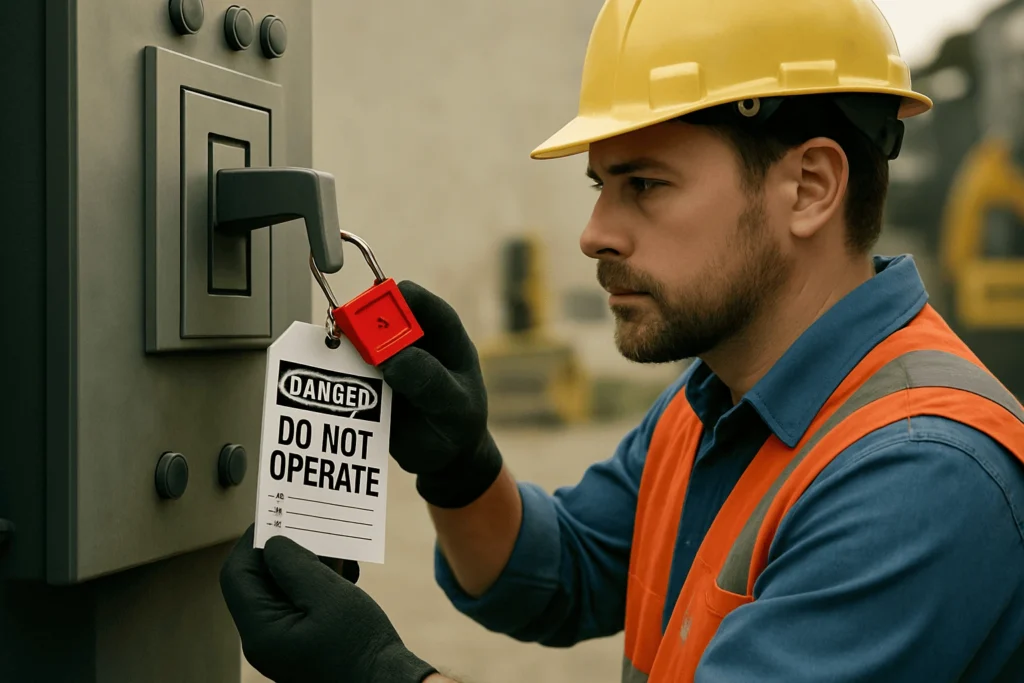
Canadian worker applying lockout device with safety gloves and helmet

Lock out tag out (LOTO) is a safety procedure used to ensure that machines are properly shut off and unable to be restarted while maintenance or servicing is underway. It involves isolating energy sources and placing locks and tags on them to prevent accidental start-up. LOTO is a critical component of workplace safety, especially in manufacturing, utilities, and heavy industry.

When done correctly, lock out tag out protects workers from hazardous energy sources like electricity, hydraulic pressure, compressed air, and mechanical movement. Failure to follow LOTO procedures is one of the most common, and deadly, violations cited by OSHA.

What Does Lock Out Tag Out Mean?

“Lock out” refers to physically locking a switch or energy isolating device in the off position. “Tag out” involves placing a warning label or tag that indicates the equipment should not be operated. Together, they provide a visual and physical barrier that alerts everyone to ongoing work.

Why LOTO Is Critical for Safety

Unexpected energization or the release of stored energy during servicing can cause severe injuries, amputations, or fatalities. Lock out tag out ensures that:

  • Workers are protected from moving parts, live wires, or pressurized systems.
  • No one accidentally turns equipment on during maintenance.
  • There is clear communication about who is performing the work and when.

“LOTO isn’t just about compliance. It’s about control, control of risk, of energy, and ultimately, of lives.”, Plant Safety Manager, Utilities Sector

The Six Steps of the Lock Out Tag Out Procedure

  1. Prepare for shutdown: Identify all energy sources and notify affected employees.
  2. Shut down the equipment: Power down according to procedure.
  3. Isolate energy sources: Turn off valves, switches, or breakers.
  4. Apply lock and tag: Attach lockout devices and warning tags.
  5. Release stored energy: Drain, vent, or block any residual energy.
  6. Verify isolation: Test the system to ensure it can’t restart.


Only the person who applied the lock and tag should remove them.

Red tag and padlock placed on machinery during maintenance shutdown in Canadian facility

Real-World LOTO Examples

  • An electrician locks out a circuit breaker before servicing a conveyor motor, preventing a co-worker from reactivating the power.
  • A technician tags out a hydraulic press valve to warn others while conducting maintenance on a jammed piston.
  • A facilities team uses a group lockout box to coordinate multiple trades working on an HVAC system.

People Also Ask:

What is the main purpose of lock out tag out?

To protect workers from injury caused by unexpected machine startup or energy release.

Is lock out tag out required by OSHA?

Yes. OSHA standard 29 CFR 1910.147 mandates LOTO procedures in many industries.

Who can perform lock out tag out?

Only trained and authorized employees.

What types of energy sources require lock out?

Electrical, mechanical, hydraulic, pneumatic, chemical, and thermal energy.

Make LOTO a Daily Habit, Not a One-Time Rule

Lock out tag out isn’t just a procedure, it’s a mindset. When teams treat LOTO as routine, not optional, they build a safer, more disciplined workplace. Training, audits, and clear signage reinforce the importance of hazardous energy control. In a high-risk job, a single lock can be the only thing standing between a worker and a life-altering injury.

Every time someone locks out, they’re making a choice to protect themselves and their team. That’s what safety leadership looks like in action.

Follow us!

Stay up-to-date with the latest spotlight articles, podcasts, the SafetyNET Magazine, or our book on Leadership for Safety Excellence. All updates will be shared on our social channels, click below to follow us.