
BIS Safety Software
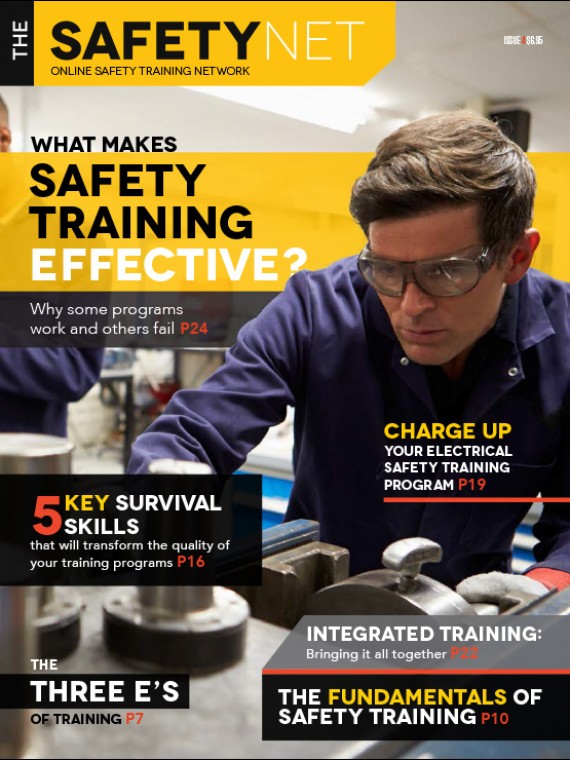
What Makes Safety Training Effective?
What Makes Safety Training Effective?
Every year, countless Canadian workers put in millions of hours into safety training, yet we still see workplace incidents and fatalities happening at an alarming rate. Just between 2011 and 2012, the number of fatalities jumped from 919 to 977, which is nearly three deaths every single day.
In 2023, Canada recorded over 277,000 accepted lost-time injury claims, a 6% increase from the previous year, indicating that despite training efforts, incident frequency remains high.
With so much time and money poured into health and safety training, why aren’t we seeing better results? The key often isn’t about how much training is done but rather how well it’s done.
Studies show that well-designed, interactive safety training can reduce workplace incidents by up to 40% compared to lecture-based programs.
Training truly makes a difference when it resonates with learners, emphasizes real-world application, and inspires genuine behavioral change.
The Importance of Delivering Training Effectively
Offering safety training is just the beginning. For it to really make a difference, it needs to:
- Engage workers and grab their attention
- Reinforce practical skills and help with knowledge retention
- Be relevant to the hazards and responsibilities employees encounter every day
- Encourage workers to put lessons into practice on the job, not just in the classroom
Employees forget nearly 70% of safety information within a week if training lacks reinforcement or hands-on engagement.
When safety programs miss the mark on these essentials, employees might finish courses without truly grasping how to apply what they’ve learned, leaving organizations at risk for accidents, non-compliance, and lost productivity.
Inadequate training contributes to 25% of workplace incidents annually, often due to insufficient hazard awareness or unclear procedures.

Building Strong Foundations in Safety Training
Effective training is about so much more than just ticking boxes and meeting compliance standards. It’s about creating a solid base of engagement, clarity, and relevance.
In this issue, you’ll discover insights on:
- The essential elements of robust safety training programs (p.10)
- Strategies for enhancing electrical safety training while keeping technical subjects interesting (p.19)
- Creative learning techniques that blend theory, simulation, and hands-on experience (p.22)
Interactive simulations improve safety knowledge retention by up to 60% compared to static e-learning modules.
When learning is interactive and meaningful, workers are much more likely to remember the information and make safer choices on the job.
Innovative and Practical Approaches
Are you searching for ways to make safety training more effective? This issue dives into fresh learning methods and tech-driven strategies that can revolutionize how workers connect with safety content.
The global e-learning safety market grew by 15% in 2024, with 78% of organizations reporting measurable improvements in compliance adherence after implementing blended learning models.
We also delve into the Three E’s of Training: Education, Engagement, and Evaluation, and how they can turn ordinary safety sessions into unforgettable, results-focused learning experiences (p.7).
Plus, you’ll get practical tips on building essential survival skills that empower workers to respond confidently in real-life situations (p. 16).
Workers who undergo scenario-based safety drills are 2.5 times more likely to act correctly during actual emergencies.


Why This Matters
The aim of every safety training program isn’t just to share information; it’s to inspire a change in behavior.
When workers grasp the importance of safety and how it relates to their jobs, the chances of incidents decrease, productivity increases, and workplace culture flourishes.
Companies with high safety engagement scores experience 70% fewer safety incidents and 21% higher productivity.
Effective training goes beyond mere compliance. It’s a vital factor in enhancing safety performance, boosting employee morale, and driving operational success.
References:
- OSHA – Training requirements overview (OSHA publication)
https://www.osha.gov/sites/default/files/publications/osha2254.pdf
- National Safety Council (NSC) – Safety Technology / Workplace Safety Resources
https://www.nsc.org/getmedia/1a274f34-0518-41f5-8e9a-2e3b49571362/wtz-safety-tech-insights-report.pdf
- Association of Workers’ Compensation Boards of Canada (AWCBC) – National Work Injury / Disease Statistics Program (NWISP)
https://awcbc.org/data-and-statistics/national-work-injury-disease-statistics-program
- Canadian Centre for Occupational Health and Safety (CCOHS) – Incident Investigation and Resources
https://www.ccohs.ca/oshanswers/hsprograms/investig.html
- Institution of Occupational Safety and Health (IOSH) – Approved Courses / Quality Standards (PDF)
https://iosh.com/media/cj3bs4w5/approved-courses-quality-standards.pdf
- Health and Safety Executive (HSE, UK) – Training and Competence Guidance
https://www.hse.gov.uk/work-equipment-machinery/training-competence.htm
- World Health Organization (WHO) – Operational Update / Learning and Preparedness (Nov 2024)
https://cdn.who.int/media/docs/default-source/documents/emergencies/who-wou-nov-2024.pdf?sfvrsn=f7826be8_5
- Gallup – State of the Global Workplace / Employee Engagement Resources
https://www.gallup.com/workplace/349484/state-of-the-global-workplace.aspx
Looking to get your message out there?
Advertisement in The SafetyNET Magazine! You’ll connect with thousands of health, safety, and HR professionals across Canada, thanks to our print and digital distribution.
The SafetyNET Magazine is sent directly to safety leaders, executives, and managers, and we also share thousands of additional electronic copies each year.