If you’ve ever turned on a light, used a faucet or the internet, you’ve relied on the network of infrastructure beneath your feet. Buried utilities (e.g., power lines, water mains, gas pipes, communication cables) keep life running smoothly. But on a worksite, that same network is a minefield if disturbed. One wrong move with a shovel or excavator, and you’re looking at costly damage, environmental harm, or a full-blown emergency.
That’s where utility locating comes into the picture. To dig safely, you must know where the lines are located. It’s not just a step in the process; it’s the guardrail that keeps crews, communities, and critical infrastructure safe. That’s why every project, no matter how small, must start with one simple action: call or click before you dig.
Submitting a locate request is the foundation of safe, legal, and efficient excavation. No digging can happen until every buried utility in the area has been detected, marked, and documented.
A proper locate gives you:
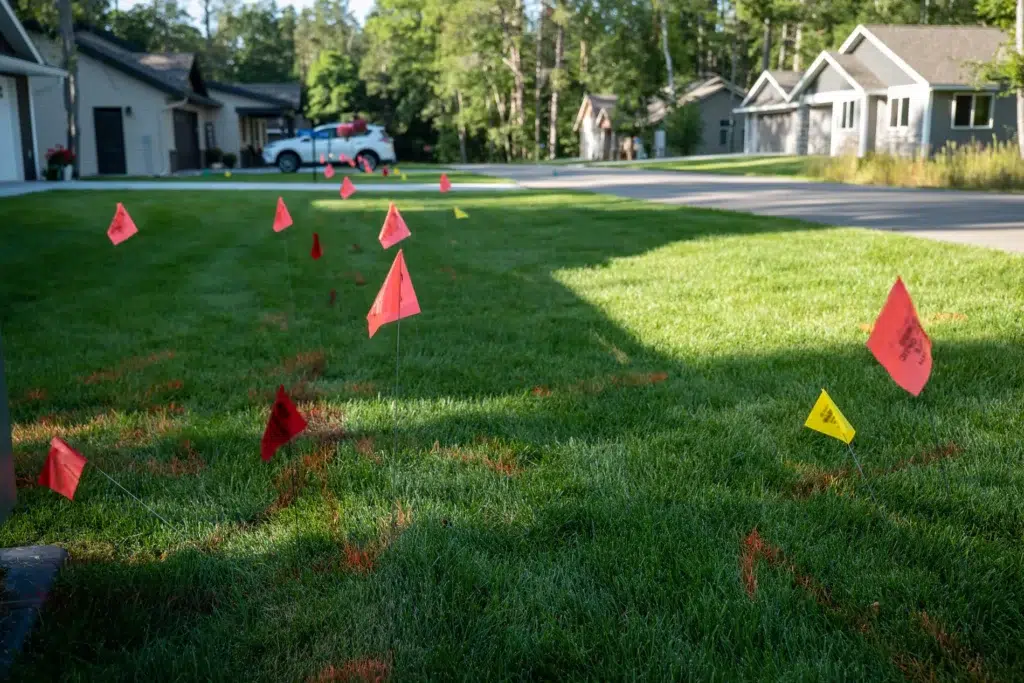
- Clear markings using Canada’s standard colour codes (red for electricity, yellow for gas, blue for potable water, and more) so risks are immediately visible
- Locate sheets (i.e., the official record of what was found, who found it, and when the locate expires)
In short: everyone works from the same map, with the same awareness of where danger lies.
Tools and Judgment Go Hand in Hand
Utility locating is both science and skill. From passive detection methods that pick up existing signals to active electromagnetic locating that precisely maps metallic lines, the technology is powerful. But equipment can only go so far.
A trained locator’s hazard assessment is just as critical. Bad weather, congested sites, or interference from nearby lines can all skew readings. Crews need to verify, adjust, and troubleshoot.
The real safety net isn’t just the gear, it’s the vigilance of the people using it.
If Something Goes Wrong
Even with thorough planning and accurate locates, utility strikes remain a possibility. A ruptured gas line, a live electrical cable, or a breached water main can escalate from a disruption to a full-blown emergency in seconds. What matters most is how quickly and decisively crews respond.
If a strike occurs:
- Stop work immediately and evacuate the area to protect workers and bystanders from immediate hazards
- Eliminate ignition sources (do not use radios, vehicles, or equipment that could trigger sparks near a gas release)
- Contact the utility owner and emergency services without delay, quick notification ensures the right experts arrive to secure and repair the site
- Secure and barricade the zone until authorities confirm it is safe to re-enter
And remember: a “near miss” is not harmless. If equipment touches or scrapes a line, even without visible damage, it must be treated with the same urgency. Small oversights can mask serious risks and reporting them prevents repeat incidents.
More Than Compliance: It’s a Responsibility
Yes, Canadian law requires utility locates before excavation. But treating it as “just compliance” misses the bigger picture. A utility strike doesn’t just mean fines or delays; it can mean injuries, outages, environmental damage, and loss of public trust.
When you call before you dig, you:
- Protect workers and the public
- Safeguard essential infrastructure that communities rely on
- Keep projects moving by avoiding costly, preventable delays
This isn’t just about following rules. It’s about building a culture where safety, responsibility, and professionalism are non-negotiable.

The Takeaway
Every locate request (every time you call or click before you dig) is a step toward safer worksites, stronger communities, and projects that run smoothly.
Before the first shovel hits the ground, make sure the map is complete, the marks are visible, and the risks are clear. Because the safest work happens when nothing beneath your feet is left to chance.
Ready to go deeper? Check out our online course on Line Locating and Marking, tailored for Canadian worksites, designed to sharpen your skills, and available anytime you need it.
Related Articles

Chris Vienneau of Clark Builders explains how crews are trained to spot the hazards that could kill them, sharing lessons...

Discover Brian’s approach to workplace safety, from identifying hazards and documenting risks to building practical competence and learning from real-life...
Jason Ross of Bird Construction shares how a panic attack on a winter highway in northern Manitoba led him to...