BIS Safety Software Canada

  • Home
  • Blog
  • Data Doesn’t Tell the Whole Story, But It’s a Great Starting Point
Data Doesn’t Tell the Whole Story, But It’s a Great Starting Point
Facebook
LinkedIn
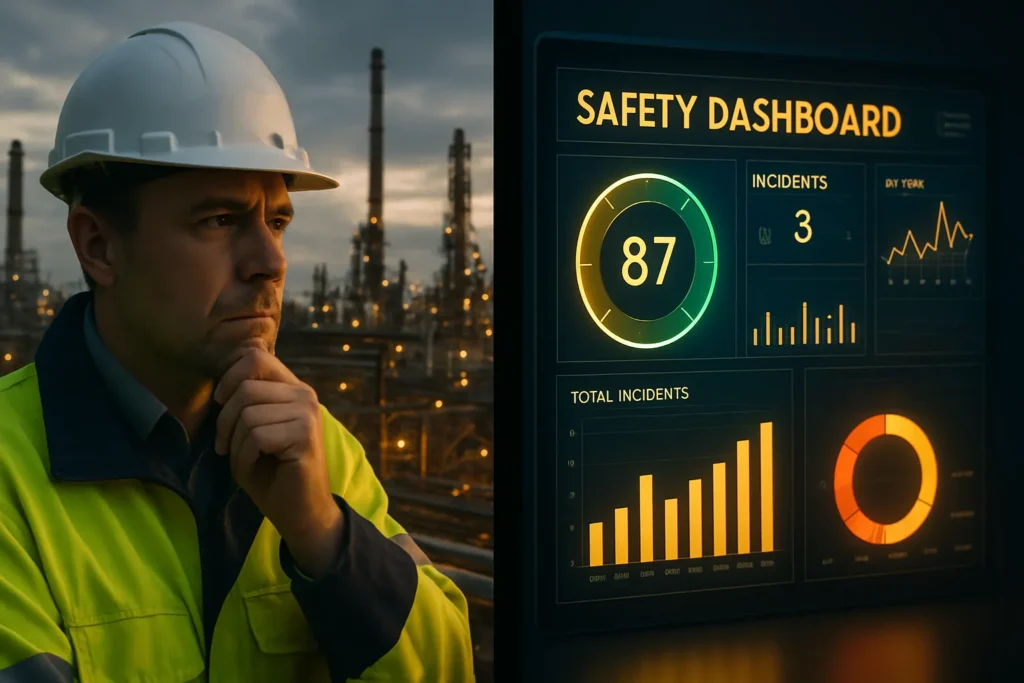
Industrial worker reviewing safety dashboard data and analyzing site risks.

We live in a safety landscape defined by dashboards, KPIs, and predictive analytics. This data-driven approach has been a game-changer, helping organizations spot trends, allocate resources, and drive accountability like never before.

But numbers only capture what’s measured. And not everything that matters in safety is visible in a bar chart. That’s where gut instinct comes in. For seasoned safety professionals, experience offers an intuitive read on situations that algorithms can’t replicate. When data says one thing but your instincts say another, it’s worth paying attention.

Gut instinct isn’t guesswork, it’s field-tested wisdom, built over years of observing the difference between what’s reported and what’s really happening. In today’s high-tech safety world, your gut still belongs in the loop.

1. Patterns May Be Clean, But the Jobsite Isn’t

When you see a drop in hazard reports or near misses, it’s tempting to celebrate. But low numbers don’t always mean low risk. Ask yourself:

  • Are workers skipping reports to meet time pressure?
  • Is the mobile reporting tool too cumbersome in the field?
  • Have we created a culture where people think, “Why bother?”

A clean dashboard may feel like progress, but if it doesn’t match what you see and hear in the field, your instinct might be picking up the truth. Use it as a prompt to investigate further.

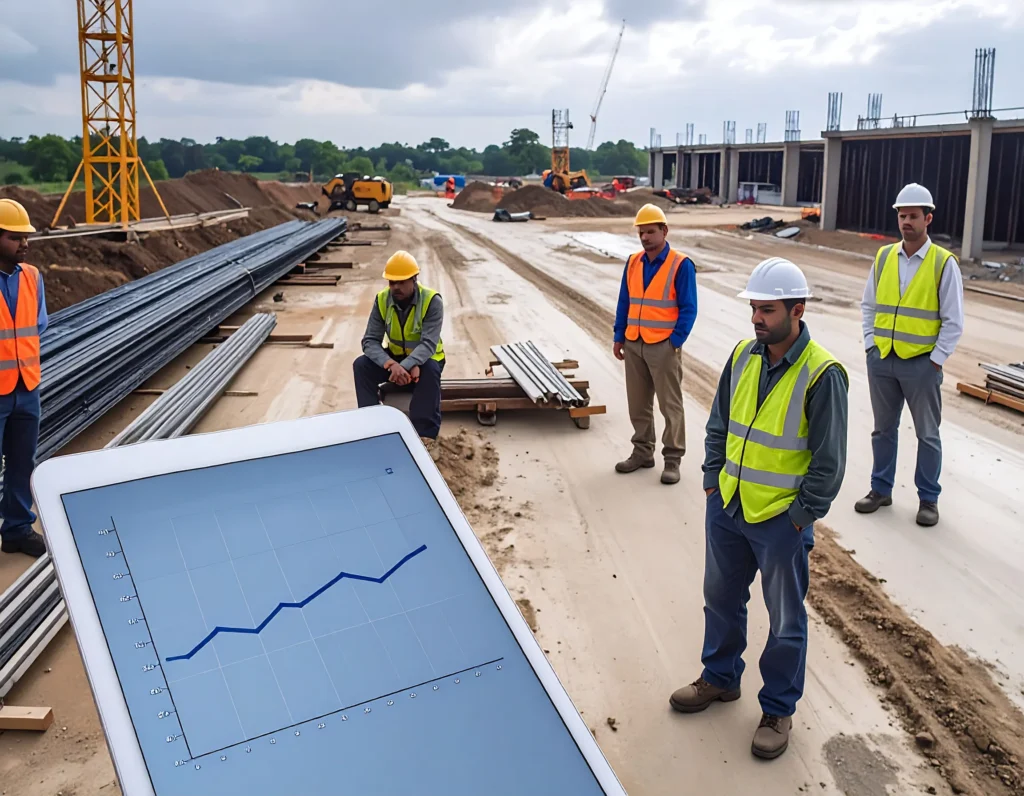
Construction team gathered around a tablet reviewing safety performance charts blended with field instincts.

2. Dig Deeper When the Numbers Flatten Out

Plateaus in incident or observation trends might suggest stability, but they could also be hiding:

  • Reduced field activity during weather or project delays
  • Shifts in crew composition or experience level
  • Cultural drift toward complacency or underreporting

Your gut might pick up cues, like less chatter about safety or rushed pre-job meetings, that suggest something deeper is going on. Numbers rarely explain why something is happening. That’s your job.

3. Listen to the Floor, Then Look at the Dashboard

Data is important. But it’s often filtered, delayed, or incomplete. What you hear in daily conversations, or don’t hear, matters just as much:

  • Silence around near misses may mean workers don’t feel safe speaking up
  • Jokes about shortcuts or pushing limits may indicate cultural cracks
  • Over-the-top optimism may hide real fears or frustrations

Experienced safety leaders learn to “read the room,” then turn to data to verify or dig deeper. This gut-data feedback loop is where proactive safety lives.

4. Blend Soft Signals with Hard Evidence

Treat your instincts like leads, not conclusions. Validate them by:

  • Reviewing hazard ID submissions and noting any drop-offs
  • Checking audit trends, training participation, or attendance shifts
  • Looking at project timelines to match observations with operational realities

This balanced approach respects both experience and analytics. Your gut leads the way, but data keeps it honest.

Construction crew on-site reviewing performance data with safety instincts on a digital tablet.

5. Don’t Dismiss Discomfort, Act on It

That unsettled feeling might mean:

  • A hazard is going unreported
  • A crew is disengaged or exhausted
  • A site has become “too quiet” after a push for numbers

Discomfort is a leadership tool. When something feels off, don’t ignore it, investigate it. Ask questions, listen harder, and use your tools to explore what your intuition already suspects.

Conclusion: Trust Your Gut, Confirm with Data

The most effective safety leaders don’t see instinct and data as opposites. They know instinct fills the gaps data can’t reach. They blend soft observations with hard evidence to create a fuller, more actionable safety picture.

In an era where tech dominates, your human insight is still one of your strongest tools. Trust your gut, but verify it with data. That’s where the real power lies.

Follow us!

Stay up-to-date with the latest spotlight articles, podcasts, the SafetyNET Magazine, or our book on Leadership for Safety Excellence. All updates will be shared on our social channels, click below to follow us.