


BIS Safety Software
Radiofrequency (RF) Radiation (CAN)
Learn how to work safely around radiofrequency radiation. This course covers exposure limits, antennas, tower hazards, RF monitors, PPE and emergency procedures for Canadian workers.
Course Introduction
Radiofrequency energy is everywhere in modern telecommunications, broadcasting, and utility infrastructure, and most of the time, it is genuinely safe. The risk shows up when workers operate near antennas, towers, or transmission equipment without understanding exposure limits, warning signs, or the difference between controlled and uncontrolled exposure environments. That knowledge gap, not RF energy itself, is what leads to incidents.
This Radiofrequency (RF) Radiation course gives Canadian workers a clear, thorough understanding of RF energy, where it comes from, how it is measured, and exactly what precautions keep exposure within safe limits. It is built for anyone who works on or near communication towers, broadcast infrastructure, or other RF-emitting equipment, and it solves a real problem: general safety training rarely covers RF hazards in enough depth to be genuinely useful on site.
Unlike many RF safety courses built primarily around U.S. standards, this course is structured around the Canadian regulatory environment, giving learners guidance that is directly relevant to the equipment and exposure limits they will actually encounter at work in Canada.
Learners complete the course online, at their own pace, with an average completion time of about 60 minutes. By the end, they will understand RF terminology, exposure sources, health hazards, site precautions, monitoring equipment, PPE, emergency procedures, and the exposure limit guidelines that govern safe work around RF energy.
Course Overview
Key Definitions Learners start by building a solid working vocabulary: what RF energy is, how it differs from other forms of electromagnetic energy, and the terminology used throughout the rest of the course.
How RF Is Used This section covers the everyday applications of RF energy, from telecommunications and broadcasting to a wide range of industrial uses, helping learners understand why RF exposure is a workplace issue in the first place.
RF Exposure and Sources of RF Energy Learners identify the specific sources of RF energy they are likely to encounter on the job, along with the factors that influence exposure levels, distance, power, and equipment type among them.
Physical and Health Hazards This section explains the health risks associated with RF exposure in clear, practical terms, giving learners a genuine understanding of why precautions matter, not just a list of rules to follow.
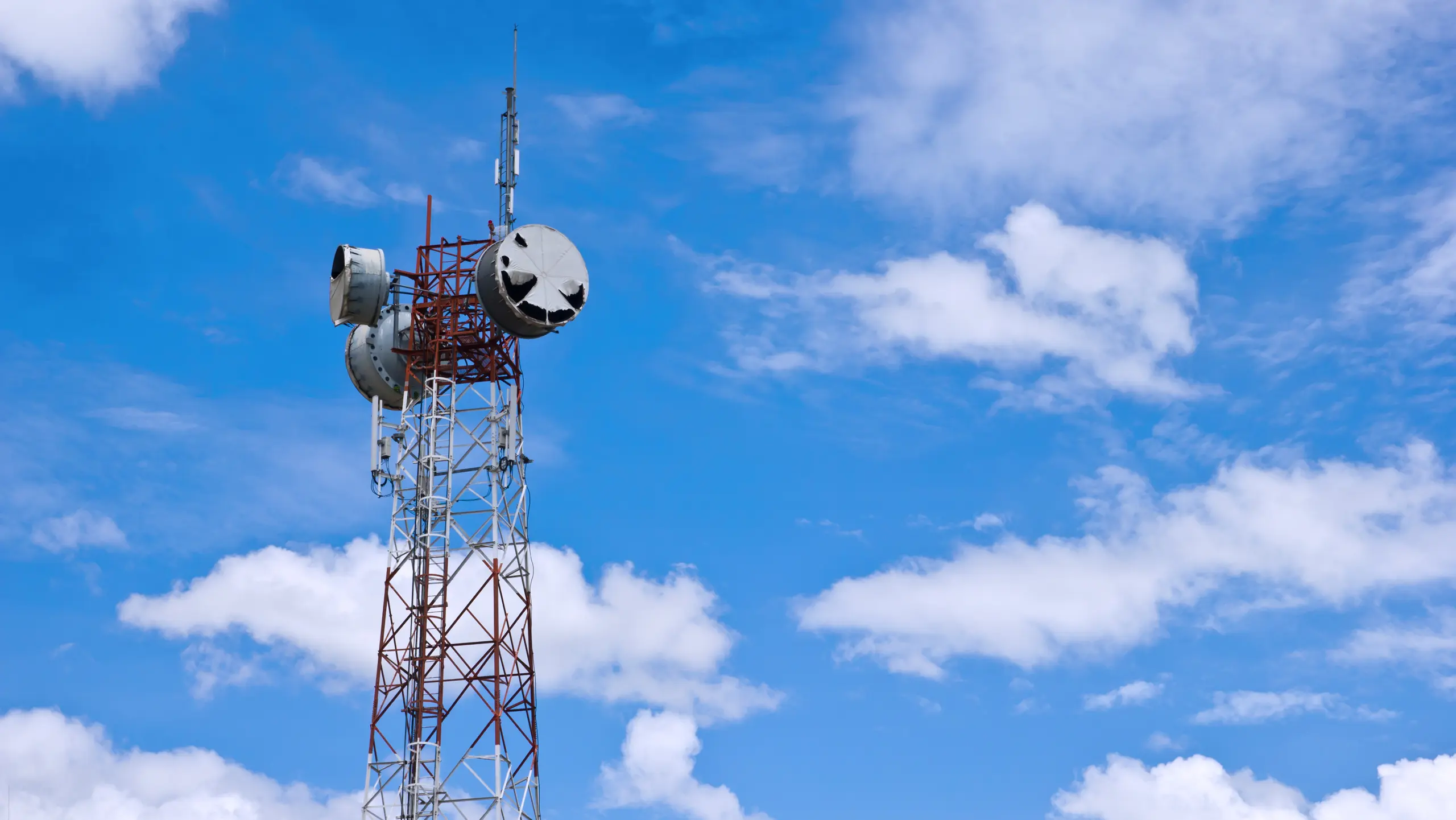
Safety Precautions Around Antenna and Tower Sites Learners cover the specific precautions required when working around antennas and tower sites, including the difference between controlled and uncontrolled exposure areas and how that distinction affects safe work practices.
RF Personal Monitors This section introduces the monitoring equipment used to track individual RF exposure, helping workers understand how exposure is measured in real time on site.
Personal Protective Equipment Learners review the PPE relevant to RF work, understanding when and how it fits into an overall RF safety strategy.
Emergency Procedures This section covers what to do in the event of suspected overexposure or another RF-related incident, so workers are prepared to respond correctly under pressure.
RF Exposure Limit Guidelines The course closes with a clear explanation of the exposure limit guidelines that govern safe RF work, giving learners a concrete standard to measure their own safety against.
Learning Outcomes
After completing this course, learners will:
- Gain confidence in defining RF energy and identifying its common workplace sources
- Master the ability to distinguish between controlled and uncontrolled RF exposure areas
- Learn how to apply safety precautions around antenna and tower sites
- Develop skills in using RF personal monitors and selecting appropriate PPE
- Apply proven emergency response procedures and exposure limit guidelines to real work situations
Who Should Take This Course?
- Telecommunications technicians working on or near towers and antenna sites
- Broadcast engineers and technicians
- Utility and infrastructure workers operating near RF-emitting equipment
- Tower climbers and site maintenance crews
- Site supervisors and safety officers responsible for RF exposure management
- Contractors and subcontractors working on telecommunications infrastructure projects across Canada
Key Benefits
- Reduce a hazard that is easy to underestimate. RF energy cannot be seen or felt, which makes proper training essential rather than optional.
- Understand exposure limits with real precision. Learners leave with a concrete framework for evaluating whether a work area is safe, not a vague sense of caution.
- Support compliance with Canadian RF exposure expectations. The course is structured around the Canadian regulatory environment relevant to RF safety, rather than a generic international course.
- Build confidence for high-risk site work. Tower and antenna sites carry real consequences for improper precautions. Proper training reduces that risk directly.
- Strengthen your safety documentation. A certificate of completion supports site access requirements and client due diligence for telecommunications and utility work.
Why Enroll in This Course?
RF safety training is often treated as an afterthought, bundled into general electrical or tower safety courses without the depth this hazard actually requires. This course takes the opposite approach, giving RF exposure the dedicated attention it needs.
- Built around Canadian RF exposure standards. This is not a repurposed U.S. course. It reflects the regulatory environment Canadian workers actually operate under.
- Thorough without being overwhelming. An average completion time of about 60 minutes covers the full scope of RF safety in a focused, well-structured format.
- Covers the complete picture. From definitions and exposure sources to monitoring, PPE, and emergency procedures, learners get a genuinely complete RF safety education.
- Documented and verifiable. A passing grade of 80% or higher, with up to three attempts, results in a certificate of completion.
- High demand, high relevance. As telecommunications infrastructure continues to expand across Canada, RF-trained workers are increasingly valuable to employers and contractors alike.
For Canadian telecommunications, broadcast, and utility employers, this course offers a direct, credible way to protect workers around RF energy and demonstrate genuine regulatory awareness.
Frequently Asked Questions
What Canadian standard does this course align with?
The course is structured around the Canadian regulatory environment for RF exposure, including the exposure limit guidelines Canadian workplaces are expected to follow, rather than a U.S.-only framework.
How long does the course take to complete?
Completion time varies by learner, with an average of approximately 60 minutes.
Who needs RF radiation training?
Anyone who works on or near antennas, communication towers, broadcast equipment, or other RF-emitting infrastructure.
What score is required to pass?
A passing grade of 80% or higher, with up to three attempts available.
Is a certificate provided?
Yes, available to download and print immediately upon successful completion.
Course Details
Course Length
This course will take roughly 60 minutes
Passing Mark
To pass this training course, you need to score 80% or higher on the quiz
Certificate
Upon the successful completion of this course a certificate with your name will be stored on your profile and available to print
Additional Training Courses

SPANISH Workplace Harassment: The Real Deal (CA)
Our online SPANISH Workplace Harassment: The Real Deal (CA) course provides a comprehensive, interactive, and entertaining training program for both employees and supervisors. With...

Seguridad con las esmeriladoras de banco – global
El curso Seguridad con las esmeriladoras de banco - global está diseñado para proporcionarle conocimientos esenciales que pueden protegerle de un peligro mortal que...
How to Manage a Remote Team
This course is designed to assist in recognizing the usual challenges involved in managing remote employees and offering solutions to these issues. It delves...

