BIS Safety Software
Mini Excavator Safety
The Online Mini Excavator Safety course teaches safe operation, inspections, hazard control, and emergency response. Learners gain essential skills in equipment handling, situational awareness, and risk prevention to operate compact excavators confidently and safely on any job site.

The Online Mini Excavator Safety course offers a complete introduction to operating compact excavators in a safe, controlled, and responsible manner. This training outlines the core risks associated with excavation equipment and teaches learners how to recognize and reduce those risks in real job-site environments. The program emphasizes practical safety habits, equipment awareness, and decision-making skills that help prevent common incidents.
Participants explore how mini excavators work, how attachments affect performance, and why daily inspections are critical to preventing mechanical issues. The course also highlights the importance of situational awareness, clear communication, and choosing the right operating techniques for the terrain and task.
By the end of the program, learners will know how to assess work conditions, operate the equipment more effectively, and anticipate hazards before they become serious problems. This foundation supports safer operations and smoother workflows across construction, landscaping, and utility projects.
Mini excavators are relied on across many trades because they can access areas larger equipment cannot. With that versatility comes a need for strong safety habits and a firm understanding of machine behaviour. This course gives learners the essential knowledge needed to navigate job sites, avoid common hazards, and operate compact excavators with confidence.
- Recognize appropriate applications for mini excavators across different industries
- Understand how machine size, reach, and attachments influence task selection
- Identify limitations and key performance considerations
- Learn the purpose of major components and hydraulic systems
- Review various attachments and their safe uses
- Understand how equipment configuration affects balance and control
- Conduct daily equipment inspections and identify warning signs
- Review safety systems, alarms, and essential maintenance checks
- Understand how regular monitoring prevents costly and dangerous failures
- Become familiar with essential controls and operating patterns
- Understand how soil type, slope, and load impact machine stability
- Apply techniques that support smooth, controlled excavation work
- Identify common hazards such as utilities, unstable surfaces, and blind spots
- Learn how to establish safe work zones and maintain clear communication
- Recognize environmental factors that increase operational risk
- Respond appropriately to equipment failure or unexpected hazards
- Understand how to react during tipping or instability events
- Follow workplace protocols for emergency communication and reporting
Course Duration
This online mini excavator safety course takes approximately 90 minutes to complete. Learners can move through the material at their own pace and return at any time.
To pass the final exam, learners must achieve a minimum score of 80%. Three attempts are provided, and in-course quizzes help reinforce the material.
A digital certificate is issued once learners successfully complete the final exam. This certificate confirms competency in mini excavator safety and does not expire.
Course Details
Course Length
This course will take roughly 90 minutes
Passing Mark
To pass this training course, you need to score 80% or higher on the quiz
Certificate
Upon the successful completion of this course a certificate with your name will be stored on your profile and available to print
Additional Training Courses

Fume Hood Safety
This module offers a comprehensive guide to fume hoods and their operation, aiming to mitigate the dangers posed by lab and maker space fume...

Biological Hazards (CAN)
This Canada-compliant safety training course is designated for anyone who might come into contact with biological hazards. Included in this training are topics such...

HAZWOPER: Personal Protective Equipment
The online HAZWOPER: Personal Protective Equipment program is designed to assist organizations in adhering to OSHA's HAZWOPER regulation (29 CFR 1910.120).

Download the Proctoring Validation PDF Sheet
Please fill in your name and email below and download the brochure!

Setup an interview with our team

Please fill in your name and email below
Order your FREE digital copy
Share Your Story With the BIS Team


Stay Updated on Our Magazine Launch

Thank you for your interest in our upcoming magazine! Submit your name and email below to receive publication updates.
Get Notified About Upcoming BIS Events

We’re excited to share upcoming events with you! Fill out the form below to get early updates on safety webinars, conferences, and exclusive BIS-hosted sessions.
Download the Network Partner Feature Sheet

Please fill in your name and email below
Complaint and Investigation Form
Download the Guide on Combatting Workplace Complacency

Please fill in your name and email below
Download the Online Onboarding Guide

Please fill in your name and email below
Download the Network Partner Feature Sheet
Please fill in your name and email below
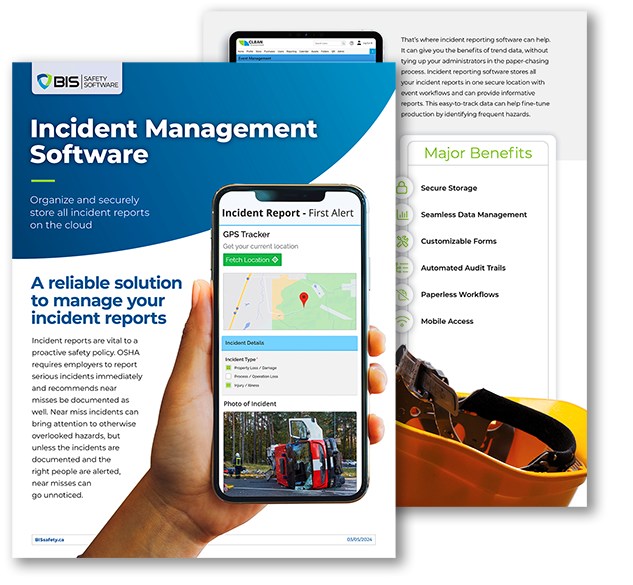
Download the Incident Management Feature Sheet
Please fill in your name and email below
Download the Reporting Feature Sheet

Please fill in your name and email below
Download the Corporate Client Feature Sheet

Please fill in your name and email below
Download the Course Owner Feature Sheet

Please fill in your name and email below
Download the API/SSO Feature Sheet

CADII API/SSO Feature Sheet
Download the Training Record Management Buyer’s Guide

Please fill in your name and email below
Download the LMS Buyer’s Guide

Please fill in your name and email below
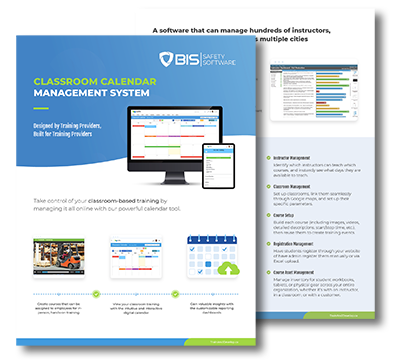
Download the Calendar Feature Sheet
Please fill in your name and email below
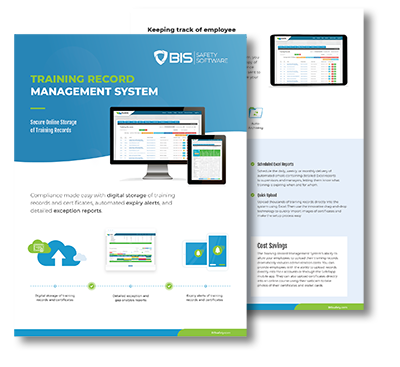
Download the Training Record Management Feature Sheet
Please fill in your name and email below
Download the Field Level Hazard Assessment Feature Sheet
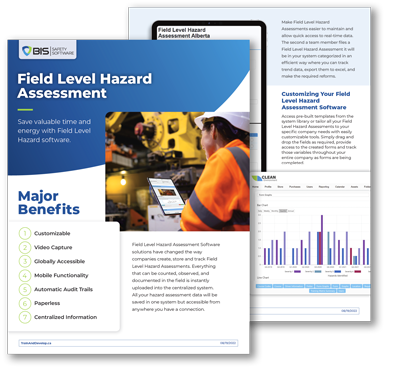
Please fill in your name and email below
Download the Equipment Management Feature Sheet
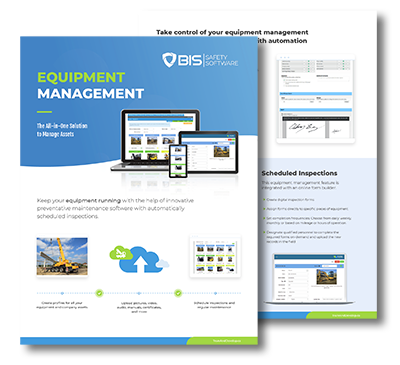
Please fill in your name and email below
Download the Toolbox Talk Feature Sheet
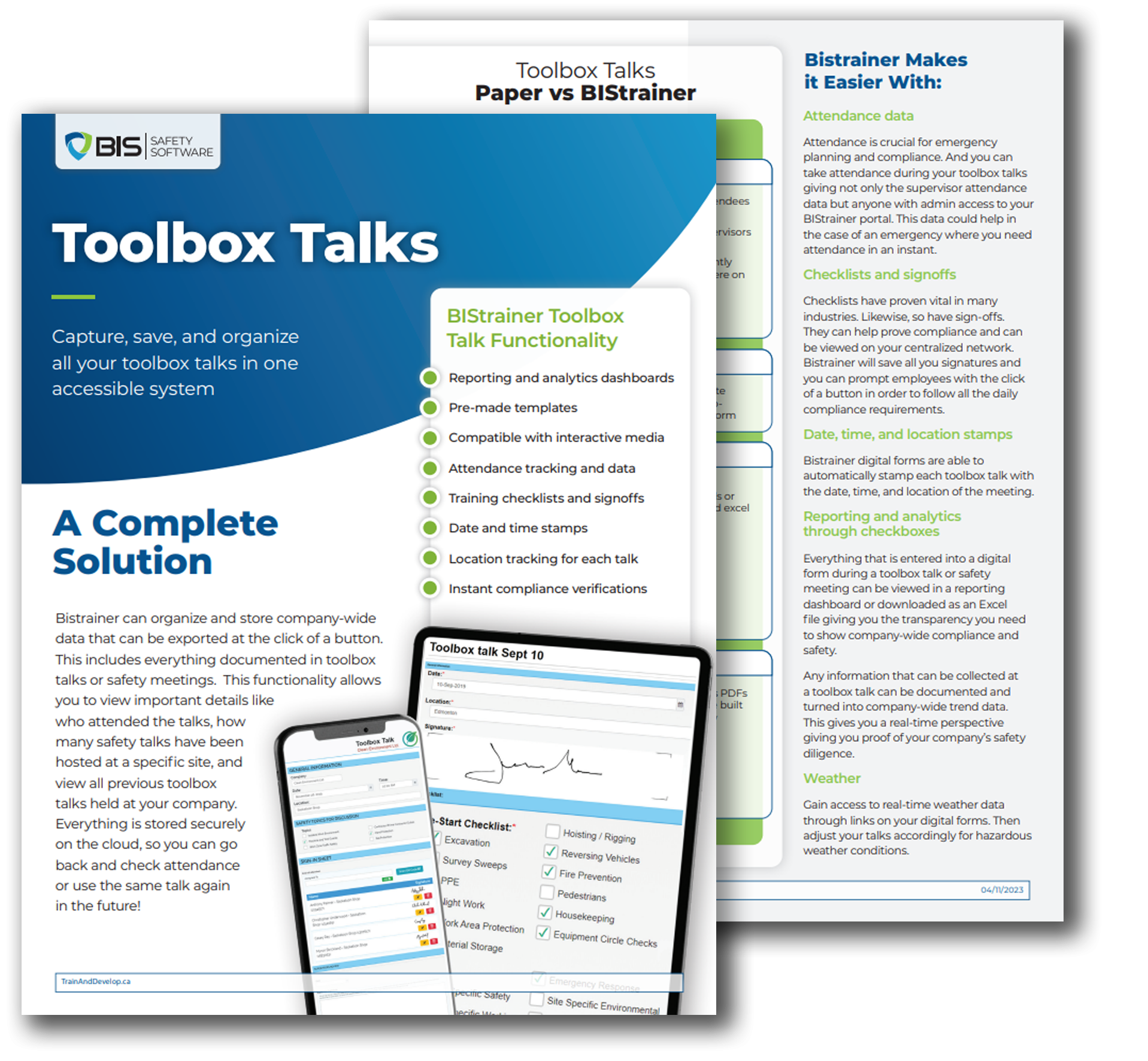
Please fill in your name and email below
Download the Digital Folder Storage Feature Sheet
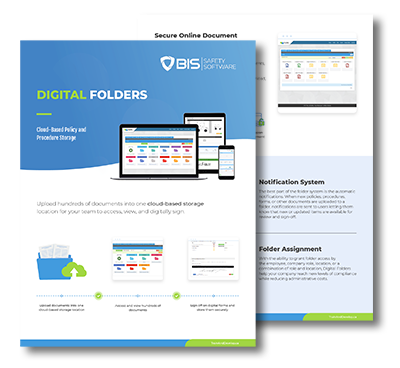
Please fill in your name and email below
Download the EHS Software Brochure
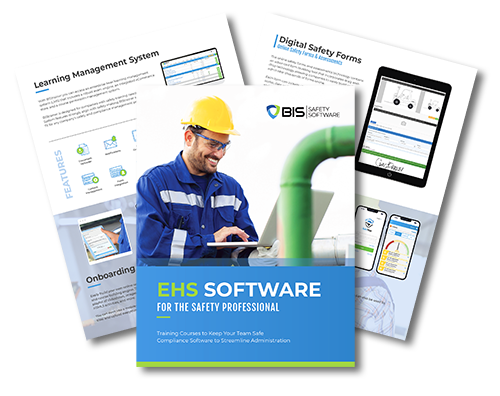
Please fill in your name and email below
Download the BIS Safety App Feature Sheet
Please fill in your name and email below
Download the Training Matrix Feature Sheet
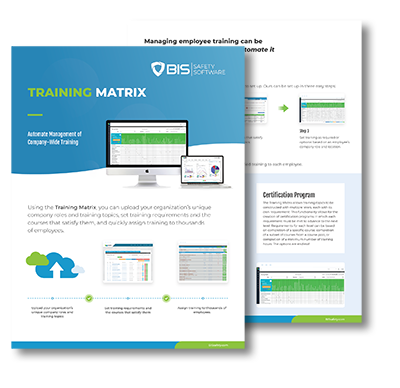
Please fill in your name and email below

Please fill in your name and email below to download the Orientation info PDF
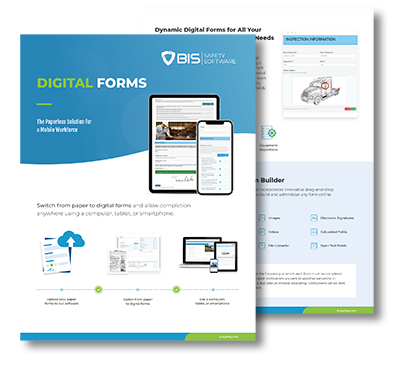
Download the Digital Forms Feature Sheet