

Webinar
A Pro-Active Approach to Mental Health: The Bridge to Bringing Health Into Health and Safety
We have gotten good at safety. Procedures are written, hazard assessments get done, equipment gets inspected. And yet incidents, injuries, and fatalities keep happening. Part of the reason is that we left health out of health and safety, and mental health is the piece most programs never touch.
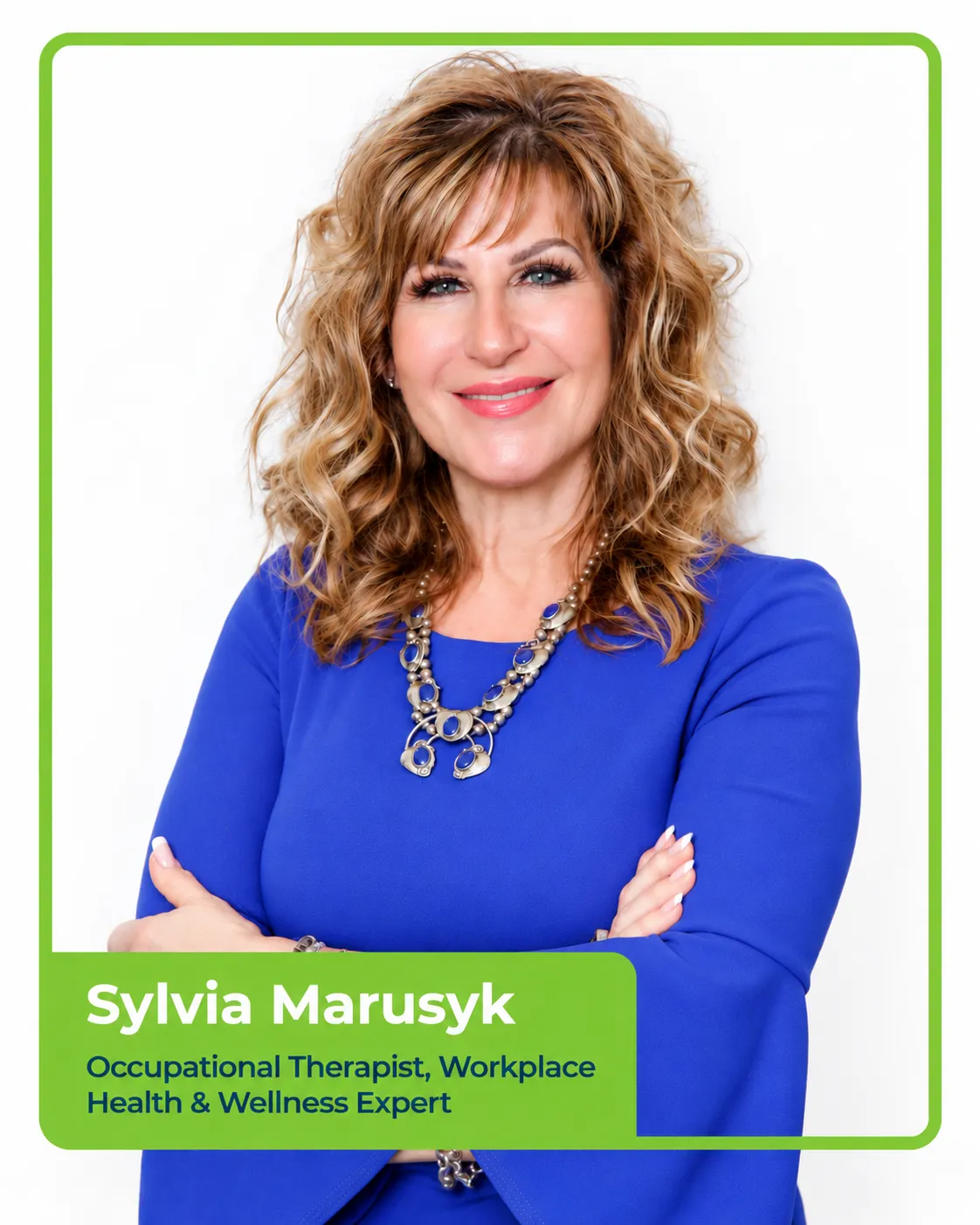
That is what this session is about. Sylvia Marusyk is an occupational therapist who has spent three decades in injury prevention and health promotion, and she makes the case that mental health is foundational to everything else in a safety program. Policy and rules speak to the head, and they produce compliance when someone is watching. Motivation, confidence, and simple tools speak to the heart, and that is where commitment comes from. Commitment is what builds a culture where people feel safe, valued, and willing to speak up.
Event details
- Date: October 26th, 2026
- Time: 11AM MST
- Where: Live on LinkedIn
- Cost: Free
A stressed employee is a different employee. The stress response narrows the ability to spot a hazard, solve a problem, ask for help, and plan ahead, which puts that person and everyone around them at risk. It does not stay at work either. Everyone brings their personal life through the gate with them every morning, and the support they get at work goes home with them at night.
What You'll Walk Away With
- What happens to brain function under stress, and why it makes hazards harder to see
- The link between the stress response and safety, on the job and off it
- A simple three step framework called the universal triggers of stress
- Techniques to settle the nervous system and get problem solving back online in the moment
- Language leaders can use to support their teams without needing a clinical background
- Why commitment, not compliance, is what shows up in engagement, recruitment, and retention
This is a practical session for supervisors, safety leads, and anyone responsible for a team who wants something more useful than a poster about wellness. The techniques are quick, they work in the moment, and they can be passed along to colleagues and family.
Testimonial
Why This Matters
Two crews can look identical from the outside. Same training records, same toolbox talks, same hazard assessments. What separates them is whether the people on them are working with full attention, or running on a nervous system that has been in overdrive for months. Very little in a standard safety program is built to look at that.
That is what this session puts on the table. Three decades in injury prevention surfaces the part of safety that procedures do not reach: what changes in the brain under stress and why a hazard gets harder to see, and what support sounds like coming from a supervisor with no clinical training.
It is built for supervisors, safety leads and anyone responsible for a team. Attendees leave with a three step framework for the universal triggers of stress, techniques quick enough to use in the moment, and language they can take to their own crew the same week.