


- Home
- Company Spotlights
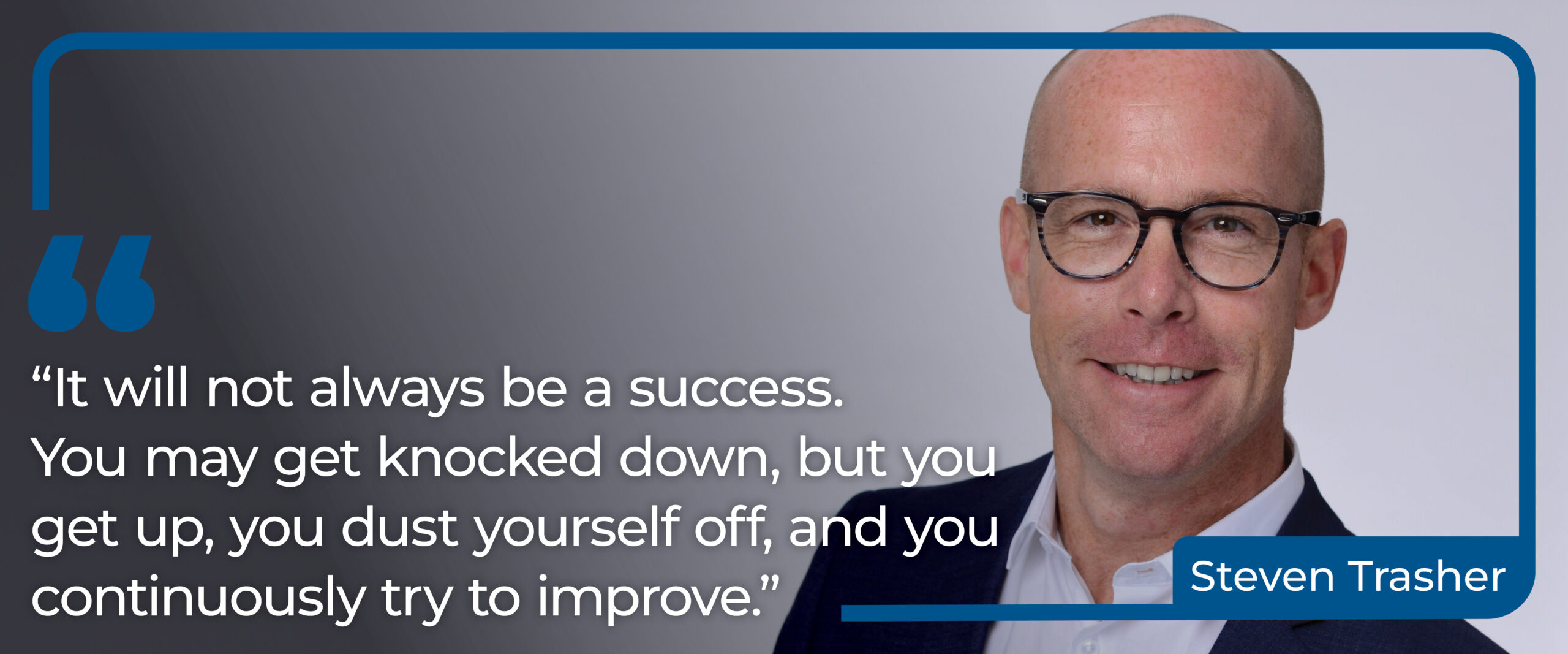
- Steven Thrasher on Leadership Presence and the TIME Framework
Safety programs rarely fail because people do not “care.” They fail because the system does not match reality. Field work is dynamic. Conditions change. Crews rotate. Subcontractors come and go. Priorities compete. Pressure builds as schedules tighten; weather shifts, access changes, and a project’s moving parts stack up. In that environment, safety cannot survive as a document. It has to survive as a habit.
At Plan Group, the goal is not to create the most impressive manual. The goal is to build a safety culture that holds up under real conditions, when the day gets messy, and decisions must be made quickly. That philosophy shapes the way Plan Group approaches leadership, planning, mental well-being, and the systems that support workers before something goes wrong.
A big part of that work is led by Steven Thrasher, the Director of Safety and Environment for Canada. Over nearly two decades at Plan Group, Steven has helped shape an approach that treats safety as operational discipline, not a compliance layer. The result is a program designed for the realities of field execution: practical, consistent, and rooted in trust.
Safety That Sticks: Leadership Is the System
Every organization says safety is important. The difference is whether leadership behaves like it is.
Steven’s view is direct. Safety does not scale through posters, slogans, or policy updates. It scales through consistent leadership actions that set the standard on a job site.
Supervisors decide what gets enforced, what gets ignored, and what gets modeled. Project leaders decide whether planning gets protected or rushed. Senior leaders decide whether safety is a “priority” that disappears during conflict, or a standard that holds even when it costs time.
Steven focuses on presence. When leadership is visible in the field, conversations change. When leadership is distant, safety becomes performative. People learn what will be rewarded and what will be punished. If safety gets praised publicly but penalized privately through schedule pressure or frustration when someone stops work, workers notice immediately.
“Being approachable and present allows employees to feel heard, supported, and motivated to contribute their best,” Steven explains.
That may sound simple, but it is structurally powerful. Approachable leadership increases reporting. It increases feedback. It increases early warnings. And early warnings are the most valuable currency in a safety program, because they let you fix weak signals before they become strong consequences.
Steven also stresses that presence is not about policing. Safety leaders who show up as enforcers train people to hide problems. Safety leaders who show up as partners train people to surface problems. One creates compliance theater. The other creates operational learning.
This distinction influences how Plan Group’s safety team is received on site.
“I take pride in the fact that when we show up on site, people are happy to see us,” Steven says. “We’re there to help, not to judge or police. That approach changes the dynamic entirely.”
When those dynamics change, safety stops being something done to people and starts being something built with people.
A Safety Culture Where People Can Speak Up Without Fear
Steven’s leadership approach consistently returns to one idea: psychological safety supports physical safety.
Field teams notice hazards and weak points long before an incident occurs. The question is whether they feel safe enough to say something early. If speaking up leads to irritation, blame, embarrassment, or a reputation for “slowing things down,” people will stay quiet. When people stay quiet, risk accumulates quietly too.
Steven encourages an environment where raising concerns is treated as competence, not inconvenience. That requires intentional behavior from leaders at every level: how they respond to bad news, how they speak to people who raise issues, and whether they show curiosity or defensiveness when challenged.
Psychological safety is often discussed in corporate settings as a culture concept. In Steven’s view, it is much more than that. It is field control. It reduces the latency between “someone notices something” and “the organization acts on it.” That reduction is where prevention actually lives.
If your safety program depends on perfect execution and silence, it will break. If your safety program depends on honest communication, it becomes resilient.
The TIME Framework: A Pre-Task Discipline That Changes How Crews Think
One of the most practical elements of Plan Group’s approach is the TIME framework, an acronym Steven and his team use to reinforce pre-task thinking and decision quality. TIME stands for:
- Tools: ensuring teams have the right equipment and it is safe, functional, and appropriate for the job
- Information: ensuring workers understand the hazards, procedures, and expectations, and have what they need to perform the task correctly
- Materials: ensuring materials are planned, staged, and handled in a way that reduces strain, unnecessary movement, and improvisation
- Environment: ensuring the workspace and conditions are assessed for factors that can change risk or performance
What makes TIME effective is not that it is new or complex. It is that it is usable. It prompts a short pause that can prevent predictable failures. It helps teams catch common gaps before the job begins, when the cost of fixing those gaps is low.
Steven is clear that TIME is not meant to become another “tick-the-box” moment. It is meant to create a mindset: plan, anticipate, and confirm before execution. That is why TIME is reinforced through training, checklists, and follow-ups. The repetition builds the habit.
“It’s not just about doing things safely,” Steven notes. “It’s about planning, awareness, and ensuring that every task is executed efficiently and effectively.”
That sentence is more important than it looks. It links safety to efficiency without turning safety into a productivity slogan. The connection is real: better planning reduces injuries, but it also reduces rework, delays, and frustration. Crews do not have to improvise as often. Work runs smoother. Mistakes decline. The job gets done with fewer surprises.
TIME is also designed to tackle specific pain points common in field environments. One recurring example is material handling, a frequent source of strain-related injuries. These injuries often arise not from dramatic hazards, but from repeated small decisions: where material is staged, how often it is moved, whether mechanical assistance is used, and whether the sequence of work was planned with movement in mind.
By focusing on materials as its own element, TIME forces teams to think beyond “Is the tool safe?” and consider “Is the plan smart?” That shift reduces physical load and prevents slow accumulation of preventable injuries.
TIME also supports mentorship. Supervisors can coach workers through TIME, not by lecturing, but by asking practical questions: What’s the right tool here? What information are we missing? Where should the material be staged? What about the environment will change risks today?
A good framework does not just prevent incidents. It teaches people how to think.
Turning Leaders into Safety Multipliers
Steven’s safety strategy is not built on the idea that a safety team can “own” safety. A safety team can influence safety, support safety, coach safety, and measure safety, but the actual daily behaviors that prevent injury happen through operational leaders. That is why Steven invests in shaping how managers lead.
One key initiative is a leadership self-assessment used across Plan Group. Roughly 150 managers complete a 30-question assessment that evaluates how they lead safety in practice. It is not designed to be punitive. It is designed to create self-awareness and produce concrete improvement plans.
“We want honesty,” Steven says. “I’d rather someone say they’re a 2 out of 5 and recognize areas to improve than claim they’re perfect. This is how we create meaningful growth.”
That is a strong cultural signal. Many organizations unintentionally train leaders to inflate their scores, protect their image, and avoid vulnerability. Steven’s approach is the opposite. It asks managers to identify gaps honestly, because the self-assessment clarifies strengths and weaknesses and creates a concrete starting point for change.
The structure matters, too. A self-assessment without coaching becomes a formality. A score without a plan becomes trivial. Steven’s team uses the assessment as a starting point for action: guiding leaders to identify specific behaviors to strengthen and turn improvement into a measurable process rather than a vague intention.
This is also where Plan Group gathers input from multiple levels. Safety surveys capture perspectives from field staff, not just management. When the organization compares leadership self-perception with field experience, it reveals alignments and disconnections. That comparison is where real insight lives.
If managers believe they communicate expectations clearly, but field staff report confusion about procedures, that gap is actionable. If managers believe they support stop-work decisions, but workers hesitate to raise issues, that gap is actionable. The goal is not to assign blame. The goal is to see reality.
Steven’s target is a shift from compliance-driven safety, done out of obligation, to commitment-driven safety, driven by genuine belief. Compliance creates minimum behavior. Commitment creates resilient behavior.
National Safety Week: Culture Reinforced Through Direct Engagement
Safety culture is not built in a single training session. It is built through consistent reinforcement, especially through visible leadership engagement.
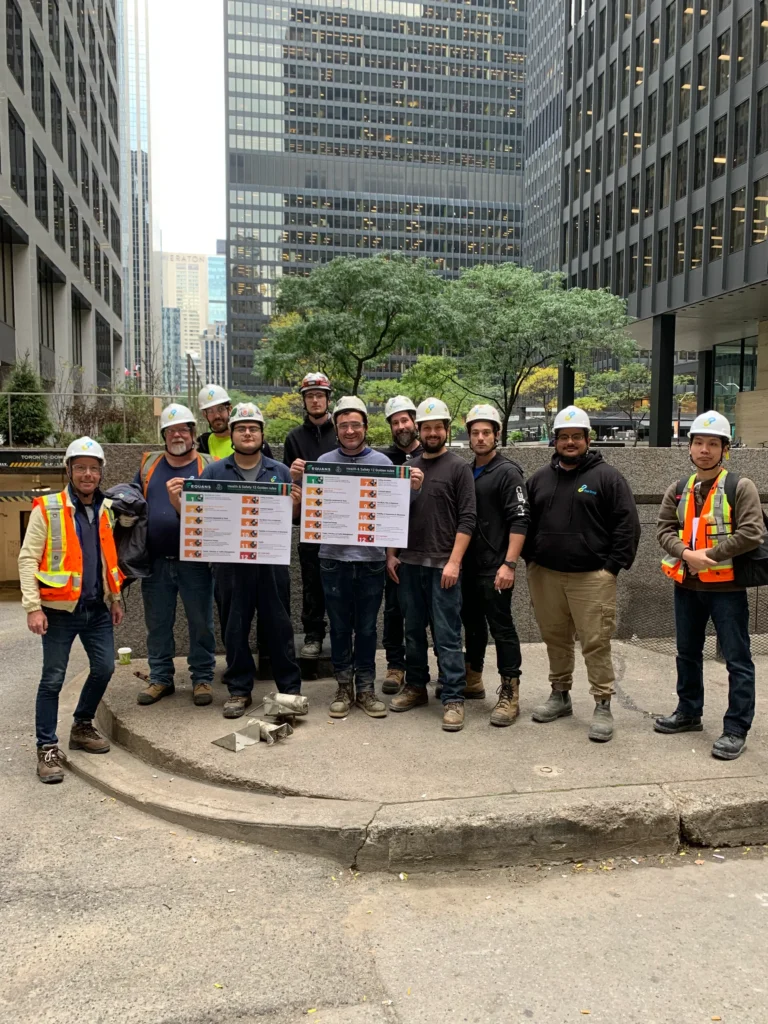
Plan Group’s National Safety Week is one example of how Steven’s philosophy shows up in action. During this week-long initiative, senior leadership, including Steven, visits sites across the country to engage directly with field teams. These visits are not meant to be ceremonial. They are meant to create two outcomes at once:
- Demonstrate visible leadership commitment, and
- Learn from workers who understand the job’s realities better than anyone else.
The format includes breakfast sessions, field meetings, and hands-on engagement. The details matter less than the message: leaders show up, listen, and participate. When done well, that engagement accomplishes something that email and posters cannot. It builds credibility.
Field workers quickly detect whether leadership visits are performative. If leadership shows up only to deliver a message and take a photo, the effect fades. If leadership shows up listening, asks questions, and responds thoughtfully, trust grows.
Steven’s emphasis on a supportive safety presence aligns with that. If safety is experienced as partnership during National Safety Week and beyond, it becomes normal to include safety in planning conversations, not just compliance conversations.
Mental Health as a Safety Variable
A standout feature of Steven’s approach is how explicitly he connects mental health to safety outcomes.
Many organizations treat mental health as separate from safety, which quietly implies it is less urgent. But the reality is that mental strain affects attention, judgment, patience, and decision-making. It can increase conflict. It can reduce focus. It can worsen risk-taking.
Steven emphasizes that safety is not limited to physical hazards.
“Being there for people and truly listening is the first step,” he explains. “You don’t need to have all the answers; you just need to be present and show that you care.”
Steven’s team has completed mental health first aid training, which equips them to recognize signs of distress and respond appropriately. The point is not for safety professionals to become therapists. The point is for them to have tools to support people, reduce stigma, and connect workers to resources early.
He also promotes practical strategies that help people regulate stress at the moment. These are not framed as grand solutions. They are framed as realistic, human habits: noticing your emotional state, taking short breaks, listening to music, or talking with a trusted colleague.
Small steps matter because small shifts in attention and mood can prevent errors. When your mind is overloaded, even simple tasks become riskier. Treating mental well-being as part of safety is an investment in decision quality.
Technology that Strengthens Awareness
Plan Group is also looking at how technology can enhance safety in ways that are useful to field workers.
One promising initiative involves AI-based knowledge resources that provide real-time guidance to workers before a task begins. The idea is straightforward: if a worker is about to perform a job, they should be able to quickly access key hazards, safe procedures, and lessons learned from similar tasks.
“This tool can significantly improve awareness and reduce accidents before they happen,” Steven notes. “It’s about using technology to complement human judgment, not replace it.”
That framing is important. Technology that tries to replace judgment often fails in the field because it creates friction or false confidence. Technology that supports judgment can be valuable because it increases situational awareness and reduces knowledge gaps.
Plan Group has also collaborated with manufacturers to improve tool design. A specific example Steven points to is band saw modifications that require two hands for operation, reducing the likelihood of injury by limiting unsafe positioning. That is a practical view of innovation: not flashy, but effective.
What Other Organizations Can Take from Plan Group’s Approach
Plan Group’s model, as expressed through Steven’s leadership, can be distilled into practical lessons that apply far beyond one company.
1) Make safety operational, not performative
Safety should be embedded in planning, staging, and execution, not added as a checklist at the end. If safety is treated as an interruption, people will treat it as optional.
2) Build trust before you expect honesty
If people do not trust how leaders respond to bad news, they will not surface bad news. Trust is not built through slogans. It is built through consistent, respectful responses over time.
3) Use frameworks that match the field
TIME works because it is simple, memorable, and connected to real failures. A good framework helps people think under pressure. It does not require perfect conditions to be useful.
4) Measure leadership behavior, then coach it
Leadership self-assessment becomes meaningful when it leads to concrete improvement, not just a score. If managers drive safety, then managers need structured support to lead it well.
5) Treat mental health as safety, because it is
Decision-making is the real control in many situations. If mental strain degrades decision-making, then mental well-being is a safety variable.
6) Use technology to improve awareness, not to create dependency
The right tools reduce knowledge gaps and support better decisions. The wrong tools create friction, distraction, or false confidence.
7) Show up where work happens
Culture is built in the field, not in the boardroom. Presence signals priority. Listening signals respect. Both increase engagement.
Raising the Standard Through Capability
When Steven talks about safety, the theme that keeps emerging is capability. Not just the capability to meet regulations, but the capability to operate reliably under pressure. The capability to spot risks early, speak up, plan well, and learn from near misses before they become incidents.
That is what separates a compliance program from a true safety culture. Compliance can be achieved through control. Culture is achieved through participation.
Steven’s approach is not built around charisma or speeches. It is built around repeatable practices: leadership engagement, a practical framework, honest measurement, and a consistent emphasis on care for people. Over time, those practices create a safer environment, but also a stronger organization.
In Steven’s words:
“If you take the opportunity, work hard, build a strong team, and genuinely care about people, you’ll get there. Success is not just about compliance; it’s about making a real difference in people’s lives every day.”
That is not a motivational line. It is an operational statement. If leaders genuinely care, they plan better. They listen better. They respond better. They invest earlier. And those behaviors, repeated across a company, are what keeps people safe when it matters most.