BIS Safety Software Canada

  • Home
  • Blog
  • A Practical Guide to Gas Respirator Safety at Work
A Practical Guide to Gas Respirator Safety at Work
Facebook
LinkedIn
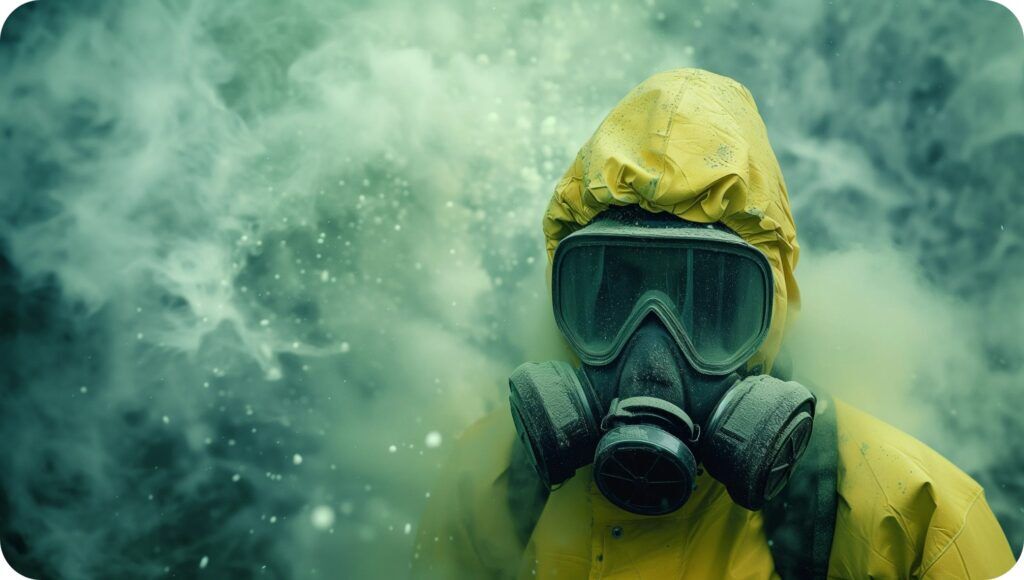
Worker in full hazmat suit with respirator navigating through airborne contamination in industrial setting.

Protecting Workers from Airborne Risks Starts with Respirator Safety.

On Canadian worksites where airborne hazards are a risk, holding your breath is just not enough protection! A respirator is a required piece of PPE and the last line of defence against toxin-filled air. A tiny leak, a poor fit, or the wrong type of filter can mean the difference between clean air and catastrophe. Respirators save lives and lungs, but only when used properly.

When Do You Need a Respirator? Common Airborne Hazards at Work

Many hazards require the use of a respirator. These dangers include:  

  • Dust and particulates: silica, asbestos, wood dust, metal shavings, or construction debris 
  • Fumes and smoke: welding, soldering, or metal cutting release microscopic toxic particles 
  • Mists: spray from paints, pesticides, or cleaning chemicals 
  • Vapours and gases: solvents, fuels, or industrial chemicals in gaseous form can irritate or poison the respiratory system 
  • Oxygen-deficient atmosphere: oxygen levels below safe limits in confined spaces or tanks. 
  • Biological Hazards: bacteria, viruses, or mould spores 

Human lungs can’t sound the alarm on these invisible hazards until it’s too late, so ensure your team is shielded with the right protection for each job. 

Employee checking fit and seal on a full-face respirator before exposure to workplace airborne hazards.

How to Pick the Right Respirator

Once you know what’s in the air, you can select the correct respirator for the specific hazard. There are three different types of respirators:   

  • Air-Purifying Respirators (APRs): filter or absorb contaminants before they reach airways and range in form from disposable masks to full-face respirators 
  • Supplied-Air Respirators (SARs): connect remotely to a stationary source of clean air  
  • Self-contained breathing apparatus (SCBA): has its own supply of air carried in a tank on the back 

Every respirator serves a purpose; knowing which to use when ensures the protection actually works.

Respirator Fit and Seal Checks: Why They Matter

After your team has chosen and inspected the correct respirator, they must conduct fit and seal checks.  

Fit matters. Beards, glasses, or even new dental work can compromise a respirator’s seal, requiring re-testing. Canadian standards require fit tests every 1–2 years, sooner if physical changes occur. 

Seal checks are non-negotiable every time a respirator is worn. After all, a respirator that leaks even slightly is no longer PPE. It’s just decoration.

Respirator Maintenance & Care: How to Keep Your Gear Safe and Effective

It’s not just about choosing the right respirator for the job. Inspect parts for wear, cracks, or contamination before and after each use. Check filter expiry dates, replace cartridges before saturation, clean with mild detergent and warm water, and store equipment properly to extend its life. 

Respirator Training: Preventing Mistakes & Protecting Lungs

Your team must be trained properly on all the topics listed above because using a respirator safely demands skill and precision. Training workers to wear, evaluate, maintain, and test their respirators ensures that safety programs are more than just paperwork.

Close-up view of a reusable half-face respirator prioritized for workplace respiratory protection.

Get the Respirator Safety Training Your Team Needs

BIS Safety Software’s Gas Respirator Safety course teaches your team everything they need to know about respirator safety, including respirator selection and fit, maintenance, inspection, and safety regulations. 

Enroll today and equip your workers with the skills to breathe easy on every job!

Follow us!

Stay up-to-date with the latest spotlight articles, podcasts, the SafetyNET Magazine, or our book on Leadership for Safety Excellence. All updates will be shared on our social channels, click below to follow us.