BIS Safety Software Canada

Cargo Securement: Why Getting It Right Matters
Facebook
LinkedIn
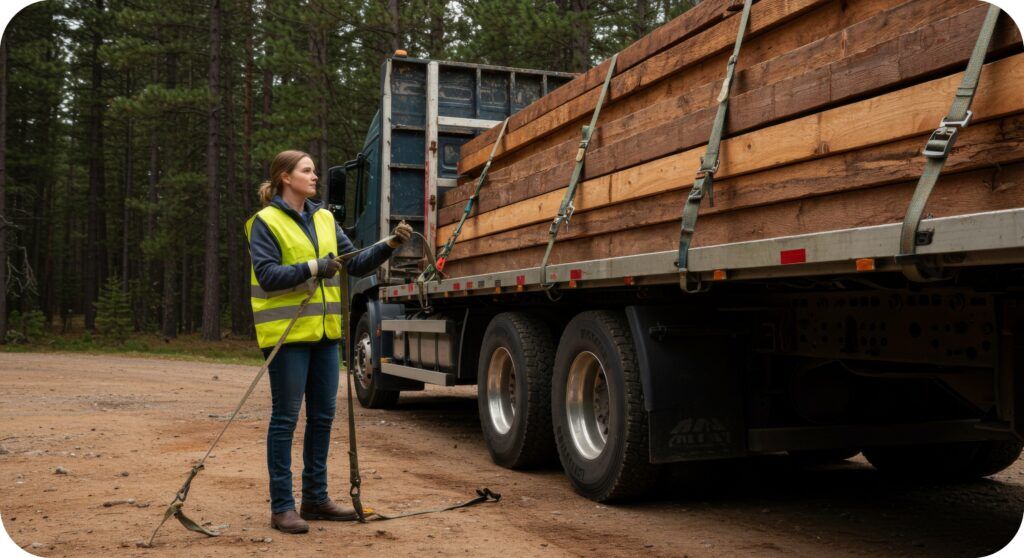
Worker tightening a tie‑down strap on a flatbed loaded with bundled lumber to prevent cargo shift

Whether transporting steel coils, lumber bundles, or heavy machinery, each cargo load introduces unique risks. A single mistake in securement can lead to shifting materials, damaged goods, or far worse: collisions that put lives at stake.

The High Cost of Getting It Wrong

On Canadian highways, shifting or falling cargo has caused serious crashes, property damage, and fatalities. The ripple effect includes injuries to workers and road users, skyrocketing insurance costs, fines, and lost contracts. Even if no one is hurt, a load shift can sideline a truck for hours, turning delivery schedules into logistical nightmares. 

For carriers, the stakes are just as high. Violations can lower a company’s safety rating and drive up operating costs. For drivers, an infraction on the record can follow them from job to job, impacting career prospects.

Driver fastening a strap on a box trailer door during a pre‑departure cargo securement inspection.

Common Pitfalls to Avoid

Despite clear regulations, certain violations keep showing up during inspections. Among the most frequent: 

  • Damaged or worn tiedowns that fail under strain. 
  • Insufficient tiedowns, leaving loads vulnerable to movement. 
  • Loose or improperly tightened securement devices, often discovered after only a few kilometres. 
  • Unsecured truck equipment, like tarps or dunnage, that becomes dangerous debris. 

Each of these issues is preventable with consistent inspection, proper equipment selection, and ongoing training.

Securement is More Than Straps and Chains

Safe transport isn’t about throwing a strap across the load and hoping for the best. It’s a system that combines the right equipment, placement, and weight distribution. Securement involves: 

  • Containment: using vehicle walls, headboards, or bulkheads to hold cargo in place. 
  • Immobilization: blocking, bracing, or chocking to prevent rolling and tipping. 
  • Tiedowns: appropriately rated chains, straps, or synthetic webbing applied at the correct angles and tension. 

Together, these elements form a layered defense against movement. Remember that the driver’s responsibility doesn’t stop at departure; mid-trip inspections are mandatory to catch loosening or shifting cargo before it becomes dangerous.

Conclusion

Cargo securement is a legal requirement but it’s also a moral responsibility; it reflects whether a company and its drivers take safety seriously. By following regulations like the NSC Standard 10, conducting thorough inspections, and treating every load as a potential hazard until proven secure, carriers and drivers reduce risks on the road for themselves and everyone around them. 

When cargo is secured correctly, everyone gets to their destination – cargo, driver, and the public alike.

Close‑up of gloved hands tightening pallet straps and edge protection to keep freight stable.

Ready to tighten up your team’s securement practices?

Check out BIS Safety Software’s Cargo Securement Core Program course. This course covers the legislation that workers need to be aware of in North America, types of securement systems to use, the importance of weight distribution, special types of cargo and which securement methods are needed for them, and much more.

Follow us!

Stay up-to-date with the latest spotlight articles, podcasts, the SafetyNET Magazine, or our book on Leadership for Safety Excellence. All updates will be shared on our social channels, click below to follow us.