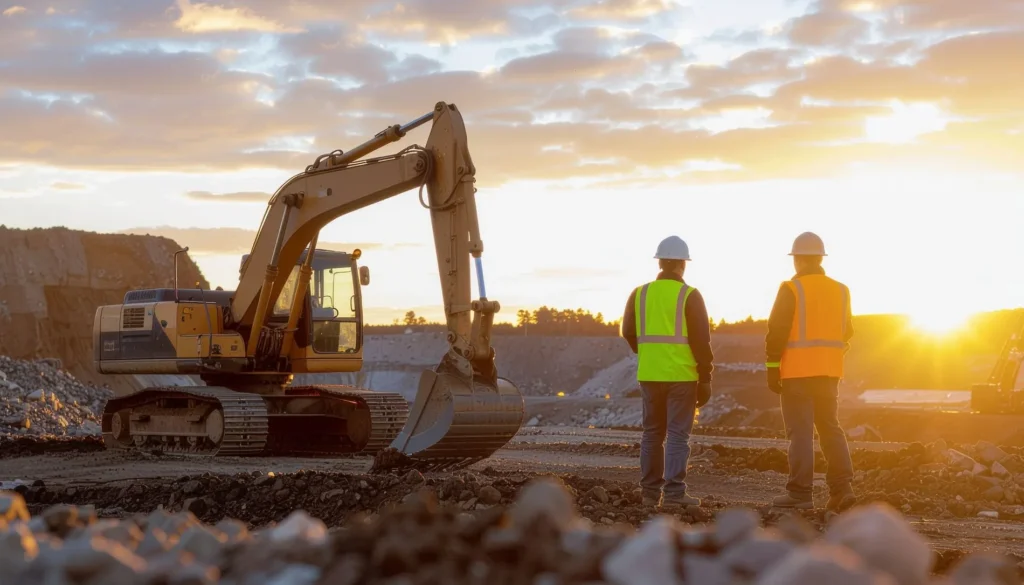
When it comes to moving earth, crawler excavators are the heavy lifters of the job site. But raw power without precision? That’s a recipe for risk. In Canada’s high-stakes construction and landscaping sectors, operating an excavator is as much about safety as it is about strength.
Let’s get into the real work: applying knowledge, spotting hazards, and building a culture of care that supports everyone on site.
Choosing the Right Tool, Not Just the Biggest
Crawler excavators shine in tasks that demand reach and muscle: demolition, trenching, and major landscaping. But misapplying their use can be costly. Do you have frozen ground, tight spaces, or tasks requiring finesse? That excavator might need to step aside for something better suited to the task.
Remember, safety begins before you even touch the controls. Evaluate the terrain. Compare machine specs to job demands. Select the model that aligns with the task, not just by size, but by functional fit.
Spotting the Off Notes: Pre-Use Inspections
This is where your instincts matter. A slight hesitation in the controls; a weird noise you didn’t hear yesterday; a damp patch near the hydraulic lines: these aren’t background noise. Even the small signal is worth listening to.
Chances are, you already have a pretty good sense of what “normal” feels like. So, when something feels off? Trust that. Say something. Tag the equipment out. You’re not just avoiding a breakdown, you’re also protecting your team, your timeline, and yourself.
Checklists help with the inspection. Not because they’re rules on paper, but because they jog your memory, help track patterns, and start conversations. They’re a tool, and just like any other tool they’re useful when used right.
Working the Shift with a Safety Mindset
Once you’re in the seat, your focus shifts from individual parts to the overall process. How are you moving across the terrain? Is the bucket in the right position? Are you creeping around tight corners or powering through them?
Even the basics (like making sure you can see your spotter) can make the difference between a clean lift and a near-miss. And let’s not pretend fatigue isn’t real. Long shifts, loud sites, changing weather, these things add up. It’s always okay to step back, take a moment, and reset. In fact, it’s necessary.
Stick with the agreed-upon hand signals and keep the radio channel clear for what really matters. Make sure your whole crew is using the same playbook, too.
Ready to Dig Safer?
Safety isn’t an accessory to the job, it is the job. As equipment grows more advanced, so too must our commitment to operating it responsibly. Whether you’re in the cab or guiding from the ground, every action you take needs to be rooted in protection, precision, and professionalism.
Let’s lay the groundwork for safer worksites, starting with the right training. Explore our new Excavator Safety course and take the first step toward smarter, sharper, safer operation.
Related Articles
Chris Vienneau of Clark Builders explains how crews are trained to spot the hazards that could kill them, sharing lessons...
Discover Brian’s approach to workplace safety, from identifying hazards and documenting risks to building practical competence and learning from real-life...
Jason Ross of Bird Construction shares how a panic attack on a winter highway in northern Manitoba led him to...