
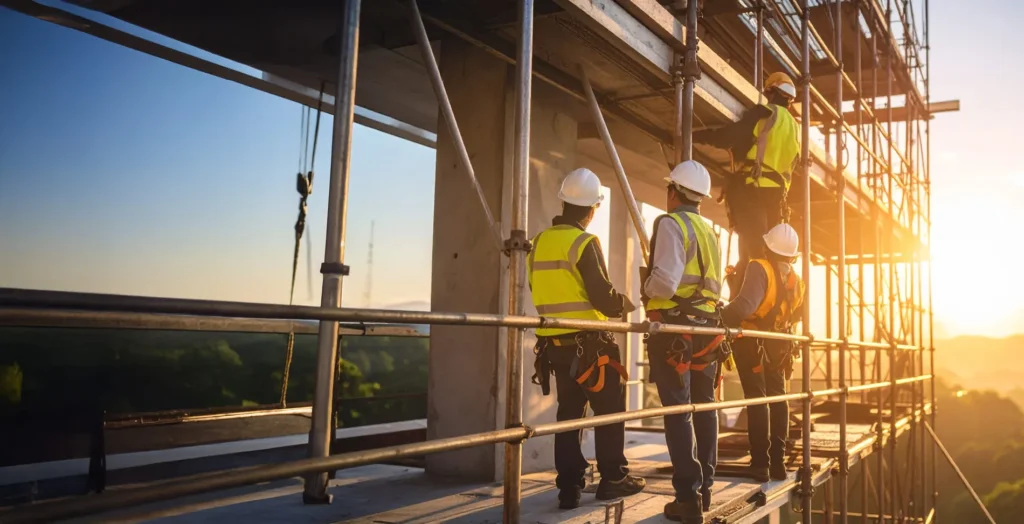
Scaffolds quietly carry the weight of nearly every job at height. Whether you’re framing a tower or painting a mural, they offer workers stability, reach, and efficiency. But let’s be clear: scaffolds don’t forgive shortcuts. A wobbly platform or overlooked inspection can turn routine work into a serious incident in seconds.
The hard truth is that scaffolds are also a leading cause of workplace injuries. The good news? Most of those incidents are preventable. The solution isn’t luck or shortcuts, it’s proper, high-quality training.
Our scaffold safety course isn’t just another compliance checkmark. It’s practical, worker-focused, and designed to keep crews upright, informed, and injury-free. Before your boots ever leave the ground, there are safety essentials every team should master.
Choose the Right Tool for the Job
Scaffold safety starts with making sure that a scaffold is the right choice for the task. Scaffolds, ladders, and mobile elevated work platforms (MEWPs) all have their place but mixing them up is like bringing a butter knife to cut lumber. Scaffolds shine when tasks are prolonged, require multiple workers, or demand stability.
Once you determine that a scaffold is the safest choice for the worksite, you’ll still need to evaluate which type of scaffold will be the best option for you. Mobile, suspended, and supported scaffolds are all suited for unique tasks.
Selecting the wrong tool or equipment doesn’t just waste time, it creates hazards. An overloaded ladder or unstable scaffold can escalate a task from routine to catastrophic.
Key action: Evaluate height, duration, load, and mobility needs before the project begins. Match the tool to the task, not the other way around.
Inspections and Tagging: Safety Begins Before the Climb
A scaffold’s strength isn’t guaranteed from one day to the next. Rain, wind, shifting soil, or simple wear can all undermine its stability overnight. That’s why every shift begins with a
careful inspection carried out by a competent worker. No component is exempt, baseplates, braces, planks, and guardrails must all be checked with equal attention.
Once the inspection is complete, the tag tells the story:
- A green tag signals the scaffold is fit for use
- Yellow means proceed with caution and be alert to noted hazards
- Red makes the decision for you, stay off until it’s safe
- A missing or out-of-date tag carries the same weight as a red one: the scaffold is off-limits
Key action: Treat inspection checklists as non-negotiable. Document, sign, and date them each day, and never assume that yesterday’s “all clear” still applies today.
Safe Use Isn’t Optional
There are no harmless shortcuts when working at height. Scaffolds are engineered for stability, but only if they’re used exactly as intended.
Guardrails, toe boards, and secured access ladders aren’t extras, they’re your fall prevention system. Skip one, and you’re gambling with your life.
Before stepping onto a scaffold, pause and ask:
- Is it stable and level?
- Are guardrails, toe boards, and access points secure?
- Is the platform clear of snow, ice, or debris?
Your three points of contact are your grip on safety. With mobile scaffolds, lock the wheels before climbing and never, ever move one with someone on top.
Key Action: Use scaffolds exactly as designed, no shortcuts, no improvisation. Confirm stability, fall protection, and clear platforms before climbing. Lock mobile scaffolds and maintain three points of contact. Safety isn’t optional; it’s the job.
Stay Alert: Hazards Don’t Clock Out
Scaffold safety isn’t something you check off once in the morning, it’s a habit you carry all day. Weather shifts, equipment settles, and even small changes can transform a stable platform into a risky one.
Yes, PPE like your hard hat, hi-vis gear, and fall protection are essential, but vigilance is the true safeguard. Keep scanning your surroundings:
- Spot shifting loads, unsecured tools, or worn components before they become incidents
- Recheck guardrails and toe boards during the shift, not just at the start
- Recognize complacency as its own hazard and push back against it
- Monitor the weather and adjust your work as needed
When something feels wrong, trust that instinct. Pause the work, tag the scaffold, and get it reported. Addressing the hazard keeps the job moving forward without putting lives on the line.
Key Action: Treat hazard awareness as part of the job, not an add-on. Stay alert, reassess often, and speak up immediately when conditions change.

Ready to Raise the Bar on Scaffold Safety?
Our scaffold safety training course goes beyond theory. It teaches workers how to apply these principles on the job site, step by step, so safety becomes second nature. Whether you’re new to construction or a seasoned tradesperson, this course helps you climb with confidence.
Take the course. Pass the test. Keep your crew on solid ground. Because nothing derails a project faster than a preventable fall.
Related Articles

Discover Brian’s approach to workplace safety, from identifying hazards and documenting risks to building practical competence and learning from real-life...
Jason Ross of Bird Construction shares how a panic attack on a winter highway in northern Manitoba led him to...
Garrett Hill shares why crews take in the safety message once they know the person delivering it, and what ten...