How AI is transforming safety training on mine sites. Read the article →

BIS Safety Software
Job Hazard Analysis – JHA (CAN)
Learn Job Hazard Analysis in this 60-minute online course for Canadian workplaces: what a JHA is, JHA vs field level risk assessment, roles, when to perform one, the step-by-step process, hazard recognition and documentation. Earn a certificate when you pass.
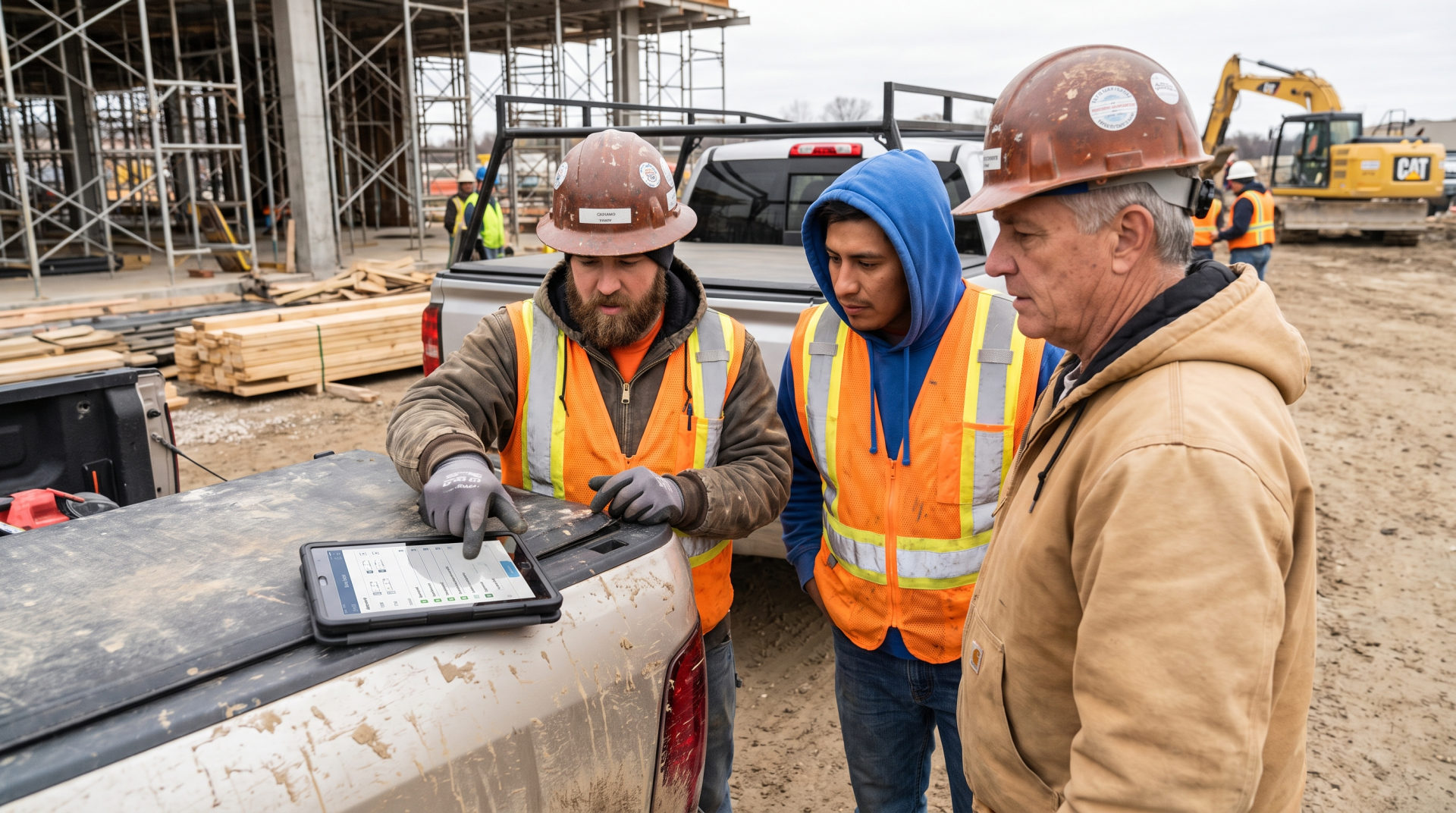
A task that looks routine can turn dangerous the moment a hazard goes unassessed. This Job Hazard Analysis (JHA) training course gives Canadian workers and supervisors a structured method to break any job into steps, spot what could go wrong, and put the right controls in place before work begins. The course runs 60 minutes and is available entirely online.
Workers, supervisors, and safety committee members across Canadian workplaces can use this course to build practical skills for participating in the analysis process, recognizing when one is required, and applying documented controls on the job site.
Course Overview
This online JHA course is built around learning modules that walk through every stage of the analysis process, from first principles to ongoing improvement. The modules cover:
- What a JHA is and why it matters
- The difference between a JHA and a Field Level Risk Assessment
- Roles and responsibilities of workers, supervisors, and safety committees
- When a JHA should be performed
- The step by step JHA process
- Hazard recognition and common failures
- Documentation and communication of a JHA
- Reviewing and improving JHAs over time
Each module connects concept to application, so you can finish with a working knowledge of the full JHA cycle rather than a list of isolated definitions.
A JHA completed correctly is a paper trail that protects workers before the first tool is picked up.
What You’ll Learn
This Job Hazard Analysis course moves from core definitions through to the documentation habits that help keep a JHA current on a live job site.
JHA fundamentals
- Define what a JHA is and what it is used for in a Canadian workplace context.
- Describe how a JHA differs from a Field Level Risk Assessment and when each applies.
Roles and timing
- Identify the roles and responsibilities involved in a JHA, covering workers, supervisors, and safety committees.
- Recognize the conditions under which a JHA is typically required before a task begins.
Process and hazard recognition
- List the steps of the JHA process in the correct sequence.
- Identify common hazards encountered across job tasks and the common JHA mistakes that leave gaps in protection.
Controls and hierarchy
- Explain how controls are chosen using the hierarchy of controls, from elimination through to personal protective equipment.
- Apply the hierarchy of controls to select the most effective control for a given hazard.
Documentation and continuous improvement
- Describe how JHAs are documented, reviewed, and updated to remain useful as tasks and conditions change.
- Demonstrate how to communicate JHA findings to a work crew before a task starts.
Assessment and completion
- Work through a graded assessment requiring an 80% pass mark to earn a certificate of completion.
Knowing the steps is not enough on its own, and this course builds the habit of running them consistently.
Who Should Take This Course?
- Frontline workers who perform or are assigned tasks where a JHA is typically completed before work begins.
- Supervisors and forepersons who are responsible for ensuring a JHA is completed, communicated, and signed off before a crew starts.
- Safety committee members who review, audit, or contribute to JHA documentation as part of their committee responsibilities.
- New hires and workers changing roles who benefit from a baseline understanding of the JHA process to participate effectively in their new environment.
- Health and safety coordinators who train others on the JHA process or maintain the organization’s JHA records and review schedule.
- Operations managers who want their teams to use a consistent, documented approach to task-level hazard assessment across multiple sites.
Why Take This Course?
Most injuries start with a gap in assessment. Hazards can cause harm not because they were unknown, but because they were not assessed, communicated, or controlled before work started. A JHA closes that gap at the task level.
A shared process catches hazards earlier. When workers and supervisors use the same structured approach to break down a task, problems surface at the planning stage rather than after an incident has occurred.
Documented JHAs can create a repeatable safety record across shifts and sites. Organizations that build JHA participation into daily work routines produce a written record of hazard assessment that supports consistent practices across shifts and sites.
Every participant contributes, not just observes. This JHA training course equips you to run the analysis yourself, so the assessment reflects real conditions on the ground rather than a form completed at a desk.
Key Benefits
- Certificate of completion issued on passing. You receive a document to add to your training records after meeting the 80% pass mark.
- Hazard-to-control gap addressed. You leave able to match a recognized hazard to the appropriate tier on the hierarchy of controls, so tasks can proceed with an assessed and documented control in place.
- Completed in 60 minutes, entirely online. You finish the full JHA course in a single session with no travel, no classroom booking, and no shift disruption beyond one hour.
- JHA skills that transfer across tasks and industries. The step-by-step process applies to any job task, so your ability to run a JHA stays relevant as your role or worksite changes.
- Priced at $49.99 per learner. A fixed per-seat cost gives organizations a predictable training line item for Job Hazard Analysis awareness with no volume minimums attached.
Course Details
- Course length: 60 minutes
- Format: Online, self-paced
- Passing mark: 80%
- Certificate: Certificate of completion included
- Price: $49.99
- Locale: Canadian (en-CA)
Frequently Asked Questions
How long does the Job Hazard Analysis JHA course take to complete?
The JHA course is 60 minutes in total. It is self-paced, so you can work through the modules on your own schedule without a set start time.
What score do I need to pass the JHA training course?
You need 80% on the course assessment to pass. Learners who meet that mark receive a certificate of completion.
Is a certificate issued when I complete the JHA course?
Yes, the Job Hazard Analysis JHA course includes a certificate of completion. You receive it after achieving the 80% pass mark on the assessment.
What is the difference between a JHA and a Field Level Risk Assessment, and does this course cover both?
The course includes a dedicated module on exactly this distinction. You learn when each tool applies and how they differ in scope, depth, and process.
Who should take this Job Hazard Analysis training course?
Workers, supervisors, safety committee members, health and safety coordinators, and operations managers who participate in or oversee the JHA process in a Canadian workplace are all well-suited for this course.
How much does the JHA online course cost?
The course is priced at $49.99 per learner, with no additional fees or volume minimums.
Enrol in the Job Hazard Analysis JHA online course and give your workers and supervisors the skills to assess, control, and document hazards before any task begins.
Course Details
Course Length
This course will take roughly 60 minutes
Passing Mark
To pass this training course, you need to score 80% or higher on the quiz
Certificate
Upon the successful completion of this course a certificate with your name will be stored on your profile and available to print
Additional Training Courses

Landscaping Safety (OSHA)
This Online OSHA-Compliant Training for Landscaping Safety/Employee Orientation is designed to impart knowledge on safe methods of operation in relation to various tools and...

buy now test
This air brake refresher course helps experienced drivers strengthen their understanding of how air brake systems work and how to operate them safely. The...

Industrial Ergonomics (CAN)
Learn industrial ergonomics in this 60-minute online course for Canadian workers: how MSDs develop, the six ergonomic risk factors, safe lifting, the hierarchy of...