
La porte d'entrée cachée de la sécurité : Jacqueline Handy et la carrière dont personne ne connaît l'existence
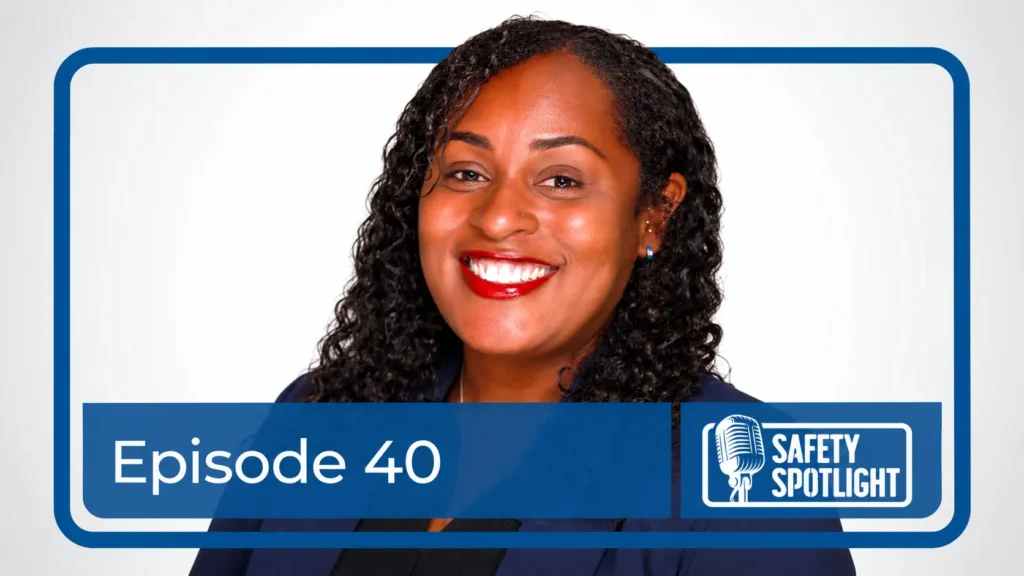
Jacqueline Handy explains how she fell into safety from a marketing role, sharing lessons from New York City transit and construction on training new hires, earning trust in the field, mentorship, and why more people should know safety is a career.
La sécurité est une valeur, pas une priorité : Bill Hart sur ce qui change quand on cesse de la classer
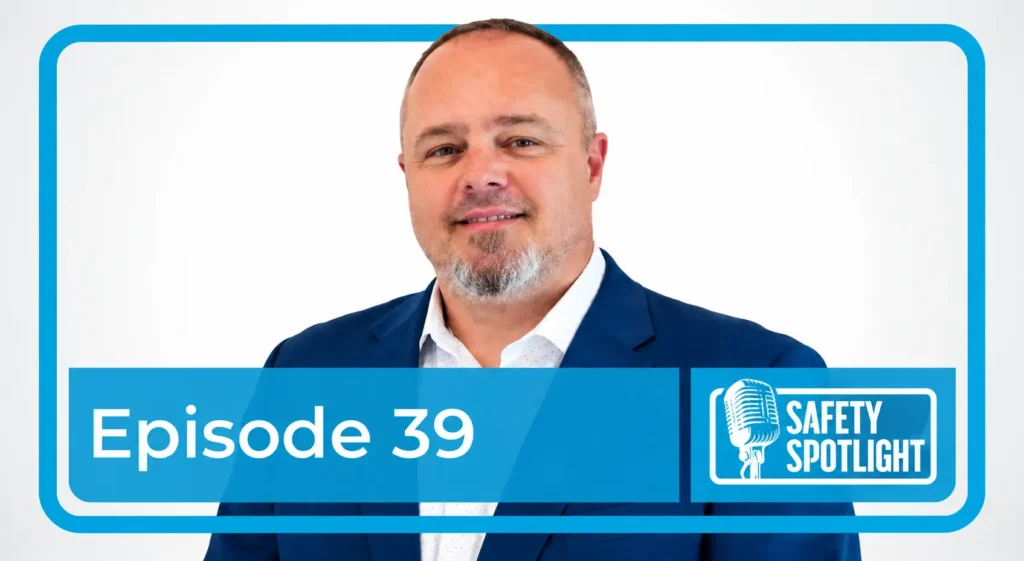
Bill Hart explains why safety should be treated as a value, not a priority, sharing lessons from decades in mining on safety leadership, workplace culture, risk, and protecting workers.
La façon la plus facile de perdre son équipe

Michelle Hruby shares how hands-on field experience, difficult conversations and consistency shaped her approach to safety leadership. From earning the trust of skeptical crews to using AI to ask better questions during incident investigations, she explains why effective safety professionals must be willing to step outside the office, challenge unsafe practices and lead by example.
Le blâme est une impasse : Michael Bassey et la véritable place de l'imputabilité
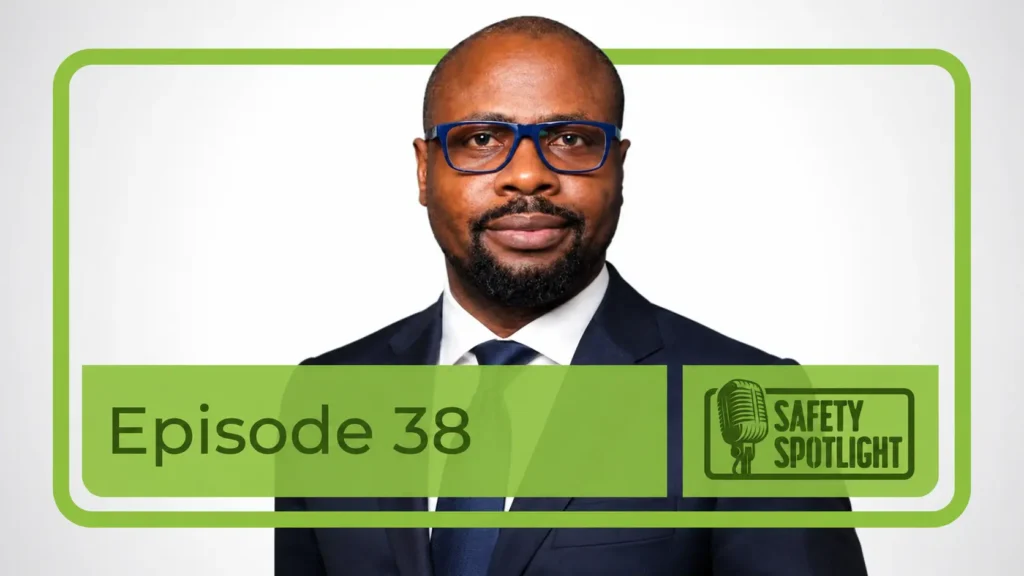
Michael soutient que l'imputabilité et le blâme ne sont pas la même chose, et que les traiter comme des synonymes est précisément ce qui maintient les organisations dans l'immobilisme. Les gens font des erreurs. La question est de savoir si le système a été conçu pour les absorber, et si les dirigeants se sont tenus aux normes qu'ils imposent à tous les autres. Il établit le lien de façon directe : d'une réunion qui commence quinze minutes en retard sans excuses, à l'EPI qu'on cesse de porter correctement en bas, jusqu'à l'enquête qui présente le tout comme une défaillance des travailleurs de première ligne.
Brian Fielkow & Associates – La sécurité comme accélérateur : Brian Fielkow explique pourquoi les entreprises sécuritaires croissent plus vite
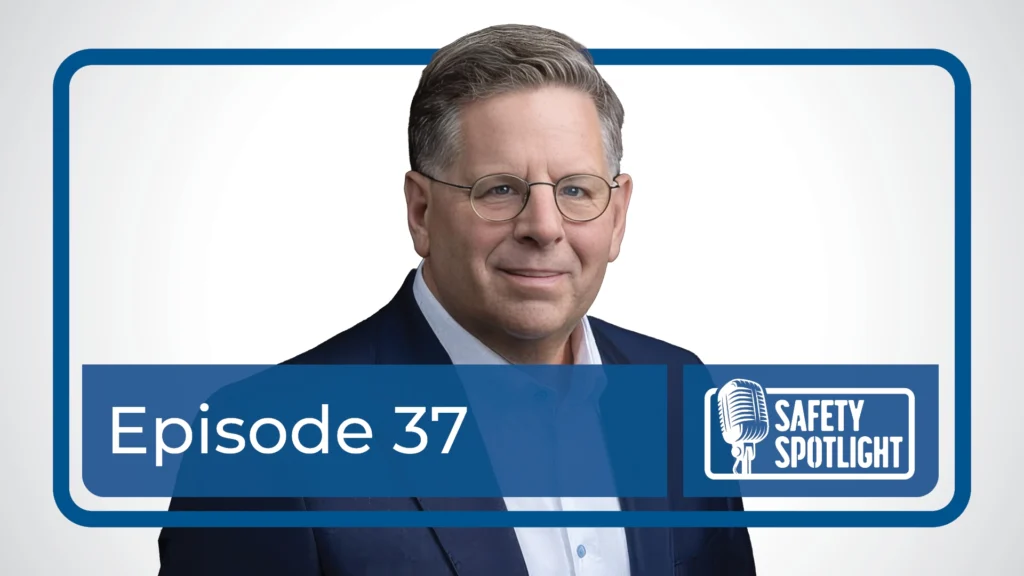
Brian did not arrive in safety the usual way. He started out practising business law in Milwaukee, where meeting clients across a range of industries taught him to look for patterns. He went to work for his favourite client, a three generation recycling company, helped grow it, and sold it to Waste Management.
D'enquêtrice privée à leader en sécurité

Le parcours de Cynthia Konkin, de détective privée à chef de file en matière de sécurité au travail, montre comment l'empathie, l'analyse des causes profondes et le leadership axé sur les personnes peuvent transformer la culture de sécurité dans toutes les industries.
Graham Jackson veut que vous laissiez votre ego de côté
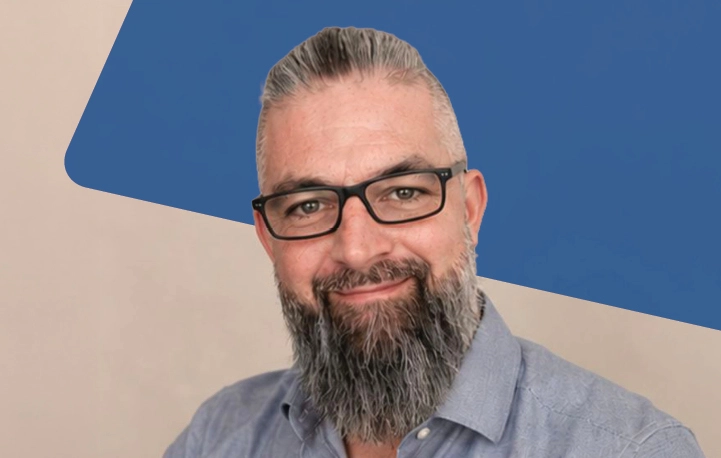
Graham Jackson est directeur de la santé et de la sécurité chez SkyFire Energy, l'un des plus importants entrepreneurs en énergie solaire de l'Ouest canadien. L'entreprise, détenue par ses employés, installe des systèmes solaires partout dans l'Ouest depuis 2001. Comme bien des bons professionnels de la sécurité, il est issu des métiers, pas d'une salle de classe.
Steven Thrasher sur la présence de leadership et le cadre TIME

Steven Thrasher, the Director of Safety and Environment for Canada. Over nearly two decades at Plan Group, Steven has helped shape an approach that treats safety as operational discipline, not a compliance layer. The result is a program designed for the realities of field execution: practical, consistent, and rooted in trust.
Sécurité du bâtiment : le choix des gens. Jared Memory sur l'adhésion, l'énergie et les soins radicaux.

Jared Memory explique comment la confiance, le souci sincère et l'engagement des employés peuvent renforcer la culture de la sécurité en inspirant l'adhésion et en faisant de la sécurité au travail une responsabilité partagée plutôt qu'une simple exigence de conformité.
Nancy Aboultaif sur la sécurité sans blâme, l'arrêt de travail et la mise en place de systèmes qui protègent les gens
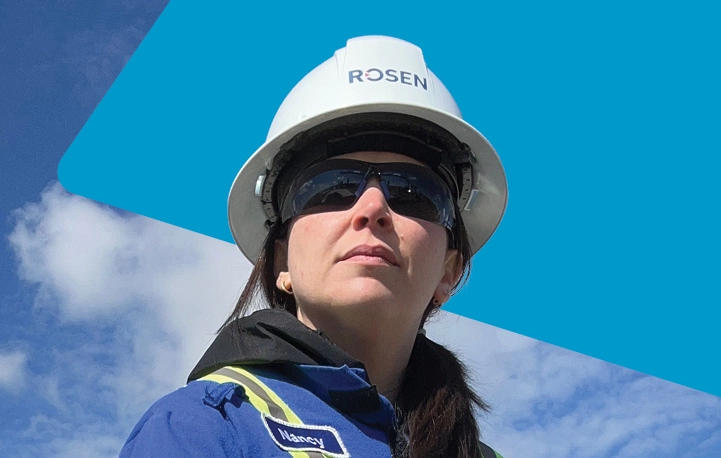
Nancy Aboultaif explique pourquoi un leadership de sécurité efficace commence par la curiosité, et non par le blâme. De la culture de l'arrêt de travail à la conception des systèmes, elle partage des idées pratiques pour créer des lieux de travail qui protègent les personnes, même lorsque des erreurs se produisent.