

- Accueil
- Présentations d'entreprises
- Marc Smith on Keeping Safety Human
Comment un ancien technicien de l'armée a conçu une IA pour s'occuper de la paperasse, afin que la sécurité puisse revenir à l'essentiel : la conversation.
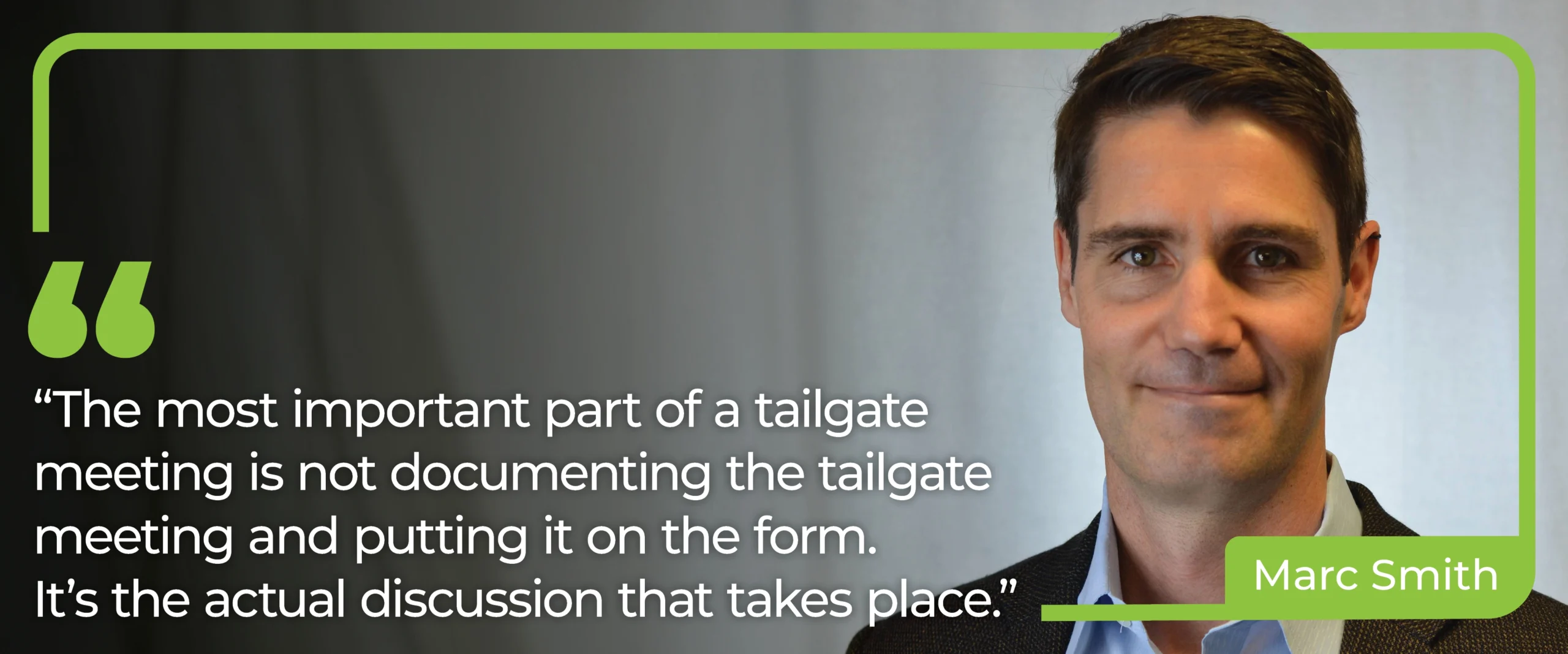
« Le plus important dans une causerie de sécurité, ce n'est pas de la documenter et de remplir le formulaire. C'est la discussion qui a réellement lieu. »
Marc Smith a conçu un outil d'IA qui transforme l'enregistrement d'une réunion de sécurité en un document de terrain achevé, pour ne pas avoir à le faire lui-même. Il est le responsable de facto de l'IA dans son entreprise et enseigne ces outils à d'autres professionnels de la sécurité. Mais il s'empresse de préciser que les outils ne sont pas l'essentiel. La paperasse ne l'a jamais été, et le logiciel qui la rédige désormais ne l'est pas davantage. Ce qui protège les gens, selon Smith, c'est la conversation que les formulaires sont censés capter. Il s'intéresse davantage à ce qu'un travailleur va lui confier qu'à ce que pourra dire un formulaire.
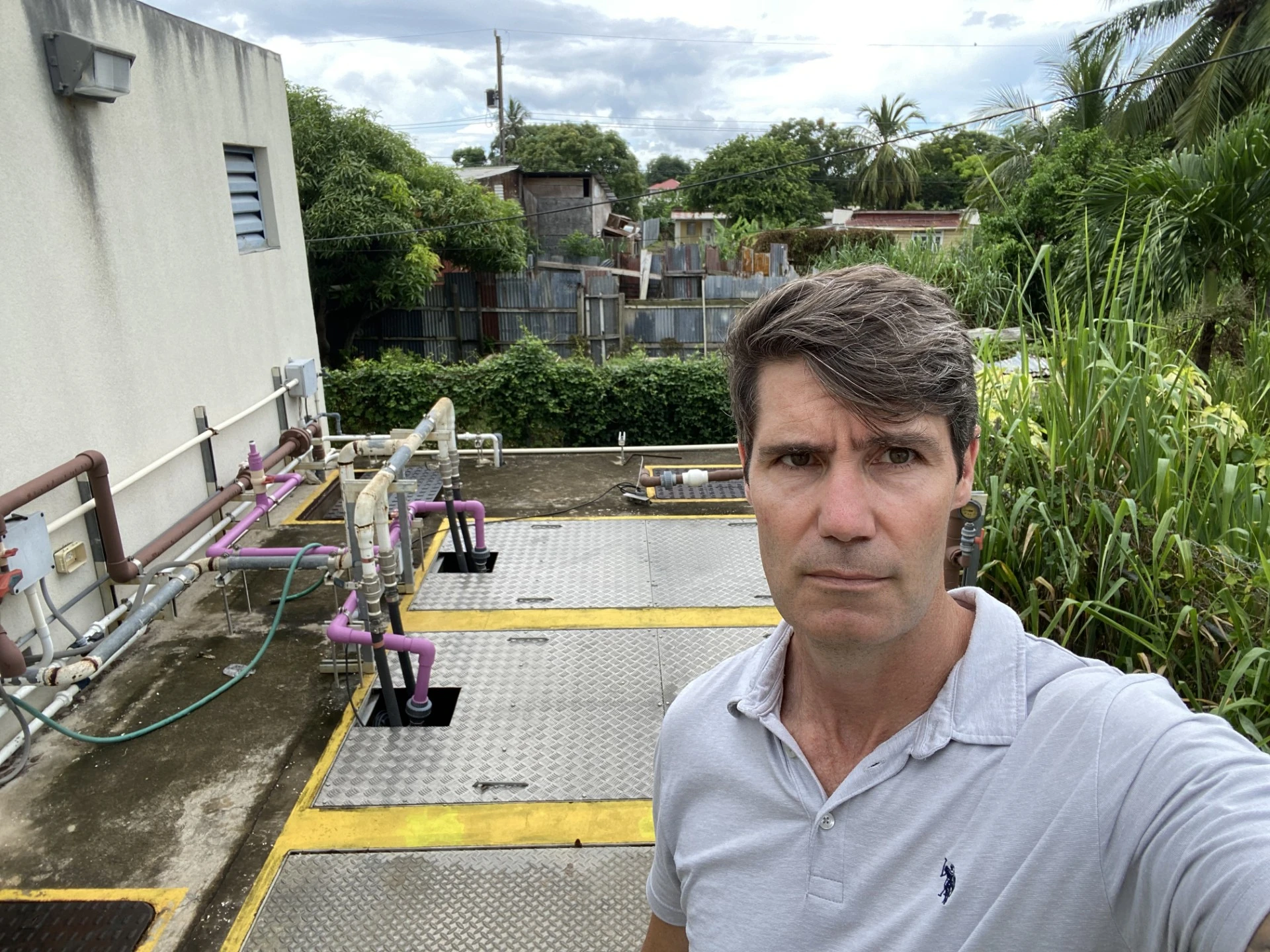
Smith est directeur de la santé, de la sécurité et de l'environnement chez Integrated Sustainability, une firme de Calgary détenue par ses employés. Elle construit des infrastructures durables et exploite des installations de traitement de l'eau au Canada, aux États-Unis et dans les Caraïbes. Il détient le titre de CRSP, la certification de référence au Canada. Selon son propre décompte, il est le seul responsable de la sécurité pour une entreprise d'environ 160 personnes réparties dans cinq pays. Il en est arrivé là presque par hasard. En quittant l'armée avec deux ans à occuper et sans intention de se lancer dans la sécurité, il s'est présenté au bureau du registraire du Northern Alberta Institute of Technology pour demander ce qu'on y offrait. Le registraire l'a orienté vers un diplôme en santé et sécurité au travail, qu'il jugeait parfait pour les anciens militaires. La « discipline, l'obéissance aux ordres et le travail en équipe » qu'il avait appris sous l'uniforme se transposaient parfaitement au métier. Et le moment était bien choisi : les 28 personnes de sa cohorte de finissants, dit-il, avaient toutes un emploi dès la fin de leurs études. Il a dirigé la sécurité des grues et du gréage dans le Nord, à Kearl Lake, puis a fondé son propre cabinet-conseil pour aider les entreprises en démarrage à obtenir leur COR et leur SECOR. Integrated Sustainability comptait parmi ces clients; il s'y est joint comme directeur SSE en 2014, à l'époque où l'entreprise ne comptait que huit personnes.
La taille unique ne va à personne
Demandez à Smith ce qui compte à cette échelle et il ne se tourne pas vers un système. « Tout revient à la culture », dit-il. « La culture de santé et de sécurité n'est pas cloisonnée. Elle fait partie de la culture de l'entreprise. » Au début, admet-il, il se souciait davantage de « produire d'excellents formulaires » que de toute autre chose. Le travail dans autant de territoires a changé cela. Une évaluation des risques conçue pour les sables bitumineux du nord de l'Alberta, souligne-t-il, ne fonctionne pas forcément de la même façon à la Barbade. « J'ai une approche axée sur l'humain d'abord en matière de santé et de sécurité », dit-il. Il estime que 90 pour cent du travail relève de la psychologie et d'une communication centrée sur l'humain. Ce qui protège une personne est rarement ce qui protège la suivante. Un travailleur avec une jeune famille prend soin de lui-même pour rentrer auprès d'elle; un nouveau diplômé prêt à conquérir le monde a besoin de plus d'accompagnement pour y arriver.
Laissons les machines s'occuper de la paperasse
C'est ici que Smith a le plus d'avance. Il se dit « très favorable au recours à l'IA pour venir à bout du côté fastidieux de la documentation » en sécurité, mais à une condition ferme : « à condition que cela favorise de meilleures discussions et une meilleure culture ». Avant que ses équipes ne partent sur le terrain, l'entreprise tient une réunion d'accueil pour planifier le travail. Smith l'enregistre et fournit la transcription à l'outil qu'il a conçu. « On glisse-dépose la transcription et il produit directement le document d'accueil de terrain. » Il y a quelques années, il se serait attardé sur la mise en page. Aujourd'hui, l'outil lui remet un tableau des lacunes. Il lui indique clairement ce que la réunion a laissé de côté, afin qu'il puisse y revenir et avoir une conversation plus ciblée pour combler les manques. Ce qu'il fait à la main, l'ensemble de l'industrie s'empresse de l'intégrer à ses outils. Mais la raison qui le motive n'a jamais été d'obtenir des documents plus soignés. « Les humains voient des choses que l'IA ne voit pas, dit-il, et l'IA voit des tendances que les humains ne voient pas. » Ce qui l'attire vers ces outils, et vers les outils vocaux en particulier, c'est la conviction qui sous-tend tout le reste : « le dialogue et la conversation, c'est là que réside réellement la valeur, pas dans le remplissage de la documentation ».
Ne soyez pas le gendarme de la sécurité
Malgré toute la technologie, la leçon la plus durable de Smith est la plus ancienne du métier, et il la fait remonter à ses premiers jours sur un chantier, coiffé d'un casque blanc. « Posez des questions, posez de bonnes questions », dit-il. Approchez quelqu'un en train de travailler, demandez-lui de vous expliquer sa tâche, et soyez curieux. « Ne faites pas le monsieur-je-sais-tout. Ne jouez pas au gendarme de la sécurité. » Faites-le bien, dit-il, et vous cessez d'être le je-sais-tout au casque blanc pour devenir « un coach et un mentor pour les gens qui sont sur le chantier ». Sa règle est sans détour : « La confiance se gagne, le respect se gagne. » Ne citez pas le code du travail aux gens. Montrez-leur que vous êtes là pour faciliter leur travail, pas pour l'entraver.
De bonnes nouvelles dans de mauvais chiffres
Demandez à Smith où son équipe est la plus solide et il pointe quelque chose qu'il a bâti délibérément : une culture de signalement. La preuve est un chiffre qui ferait grimacer bien des responsables de la sécurité. Les incidents signalés sont passés d'une dizaine par année à environ 65 l'an dernier, dit-il. Une partie s'explique simplement par une charge de travail accrue, puisque l'entreprise a pris en charge des opérations de traitement de l'eau en continu. Mais pour l'essentiel, soutient-il, c'est que les gens signalent maintenant des choses qu'ils auraient jadis tues. Il y voit une victoire, pas un avertissement. Ce chiffre à la hausse est justement celui que la plupart des responsables de la sécurité sont embauchés pour faire baisser. Smith, lui, s'est réjoui de le voir grimper. « La première étape, c'est de signaler », dit-il. « Maintenant, qu'est-ce que vous faites de ces signalements? » Un signalement, pour lui, n'est qu'un début. Ce que vous en faites, c'est tout le reste du travail.
Tout revient aux gens, la réponse qu'il donne quand on lui demande ce qui le motive. Il aime comprendre ce qui fait vibrer une personne. Et cela ne le dérange pas que la sécurité soit la fonction discrète à l'arrière-plan, tant que tout le monde rentre à la maison entier. Les formulaires seront remplis de toute façon. Ce que Smith protège, c'est la partie qui n'a jamais tenu sur un formulaire au départ : la conversation où un travailleur finit par vous confier la seule chose qui le garde en sécurité.