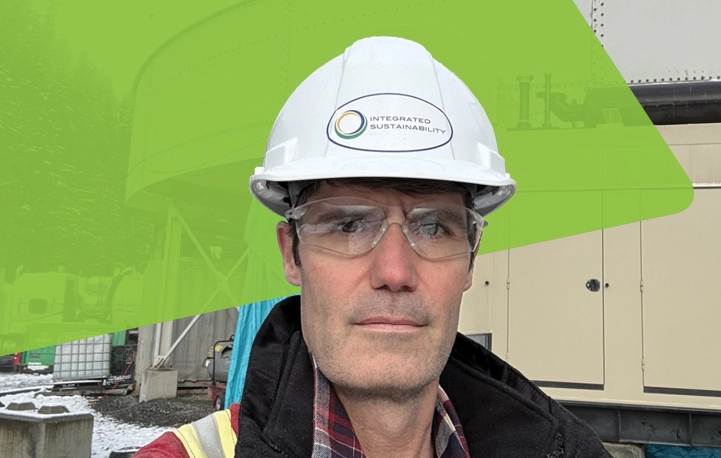
Steven Thrasher sur la présence de leadership et le cadre TIME
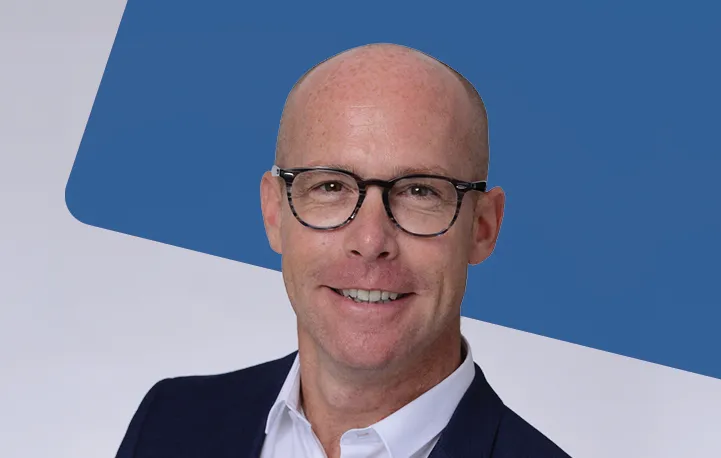
Home Blog Steven Thrasher on Leadership Presence and the TIME Framework By Nishant Facebook LinkedIn Safety programs rarely fail because people do not “care.” They fail because the system does not match reality. Field work is dynamic. Conditions change. Crews rotate. Subcontractors come and go. Priorities compete. Pressure builds as schedules tighten; weather shifts, access changes, and a project’s moving parts stack up. In that environment, safety cannot survive as a document. It has to survive as a habit. At Plan Group, the goal is not to create the most impressive manual. The goal is to build a safety culture that holds up under real conditions, when the day gets messy, and decisions must be made quickly. That philosophy shapes the way Plan Group approaches leadership, planning, mental well-being, and the systems that support workers before something goes wrong. A big part of that work is led by Steven Thrasher, the Director of Safety and Environment for Canada. Over nearly two decades at Plan Group, Steven has helped shape an approach that treats safety as operational discipline, not a compliance layer. The result is a program designed for the realities of field execution: practical, consistent, and rooted in trust. Safety That Sticks: Leadership Is the System Every organization says safety is important. The difference is whether leadership behaves like it is. Steven’s view is direct. Safety does not scale through posters, slogans, or policy updates. It scales through consistent leadership actions that set the standard on a job site. Supervisors decide what gets enforced, what gets ignored, and what gets modeled. Project leaders decide whether planning gets protected or rushed. Senior leaders decide whether safety is a “priority” that disappears during conflict, or a standard that holds even when it costs time. Steven focuses on presence. When leadership is visible in the field, conversations change. When leadership is distant, safety becomes performative. People learn what will be rewarded and what will be punished. If safety gets praised publicly but penalized privately through schedule pressure or frustration when someone stops work, workers notice immediately. “Being approachable and present allows employees to feel heard, supported, and motivated to contribute their best,” Steven explains. That may sound simple, but it is structurally powerful. Approachable leadership increases reporting. It increases feedback. It increases early warnings. And early warnings are the most valuable currency in a safety program, because they let you fix weak signals before they become strong consequences. Steven also stresses that presence is not about policing. Safety leaders who show up as enforcers train people to hide problems. Safety leaders who show up as partners train people to surface problems. One creates compliance theater. The other creates operational learning. This distinction influences how Plan Group’s safety team is received on site. “I take pride in the fact that when we show up on site, people are happy to see us,” Steven says. “We’re there to help, not to judge or police. That approach changes the dynamic entirely.” When those dynamics change, safety stops being something done to people and starts being something built with people. A Safety Culture Where People Can Speak Up Without Fear Steven’s leadership approach consistently returns to one idea: psychological safety supports physical safety. Field teams notice hazards and weak points long before an incident occurs. The question is whether they feel safe enough to say something early. If speaking up leads to irritation, blame, embarrassment, or a reputation for “slowing things down,” people will stay quiet. When people stay quiet, risk accumulates quietly too. Steven encourages an environment where raising concerns is treated as competence, not inconvenience. That requires intentional behavior from leaders at every level: how they respond to bad news, how they speak to people who raise issues, and whether they show curiosity or defensiveness when challenged. Psychological safety is often discussed in corporate settings as a culture concept. In Steven’s view, it is much more than that. It is field control. It reduces the latency between “someone notices something” and “the organization acts on it.” That reduction is where prevention actually lives. If your safety program depends on perfect execution and silence, it will break. If your safety program depends on honest communication, it becomes resilient. The TIME Framework: A Pre-Task Discipline That Changes How Crews Think One of the most practical elements of Plan Group’s approach is the TIME framework, an acronym Steven and his team use to reinforce pre-task thinking and decision quality. TIME stands for: Tools: ensuring teams have the right equipment and it is safe, functional, and appropriate for the job Information: ensuring workers understand the hazards, procedures, and expectations, and have what they need to perform the task correctly Materials: ensuring materials are planned, staged, and handled in a way that reduces strain, unnecessary movement, and improvisation Environment: ensuring the workspace and conditions are assessed for factors that can change risk or performance What makes TIME effective is not that it is new or complex. It is that it is usable. It prompts a short pause that can prevent predictable failures. It helps teams catch common gaps before the job begins, when the cost of fixing those gaps is low. Steven is clear that TIME is not meant to become another “tick-the-box” moment. It is meant to create a mindset: plan, anticipate, and confirm before execution. That is why TIME is reinforced through training, checklists, and follow-ups. The repetition builds the habit. “It’s not just about doing things safely,” Steven notes. “It’s about planning, awareness, and ensuring that every task is executed efficiently and effectively.” That sentence is more important than it looks. It links safety to efficiency without turning safety into a productivity slogan. The connection is real: better planning reduces injuries, but it also reduces rework, delays, and frustration. Crews do not have to improvise as often. Work runs smoother. Mistakes decline. The job gets done with fewer surprises. TIME is also designed to tackle specific pain points common in field environments. One recurring example is material handling, a frequent source of strain-related injuries. These injuries often arise not from dramatic hazards, but from repeated small decisions: where material is staged, how often it is moved, whether mechanical assistance is used, and whether the sequence of work was planned with movement in mind. By focusing on materials as its own element, TIME forces teams
Sécurité du bâtiment : le choix des gens. Jared Memory sur l'adhésion, l'énergie et les soins radicaux.

Jared Memory explique comment la confiance, le souci sincère et l'engagement des employés peuvent renforcer la culture de la sécurité en inspirant l'adhésion et en faisant de la sécurité au travail une responsabilité partagée plutôt qu'une simple exigence de conformité.
Nancy Aboultaif sur la sécurité sans blâme, l'arrêt de travail et la mise en place de systèmes qui protègent les gens
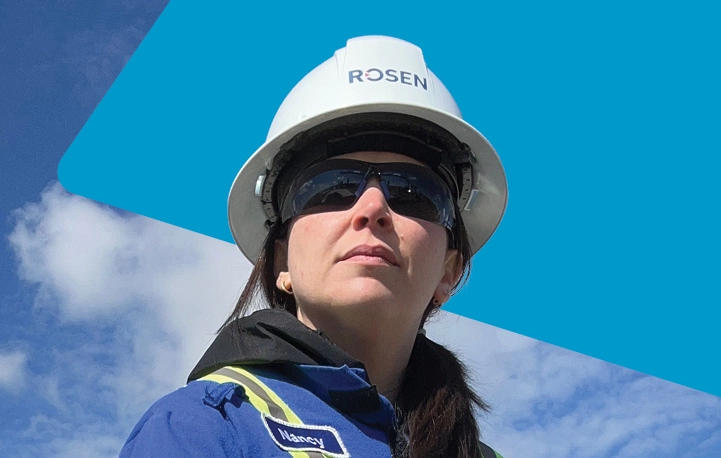
Nancy Aboultaif explique pourquoi un leadership de sécurité efficace commence par la curiosité, et non par le blâme. De la culture de l'arrêt de travail à la conception des systèmes, elle partage des idées pratiques pour créer des lieux de travail qui protègent les personnes, même lorsque des erreurs se produisent.
La mission de Linda Feuerhelm pour s'assurer que tout le monde rentre sain et sauf
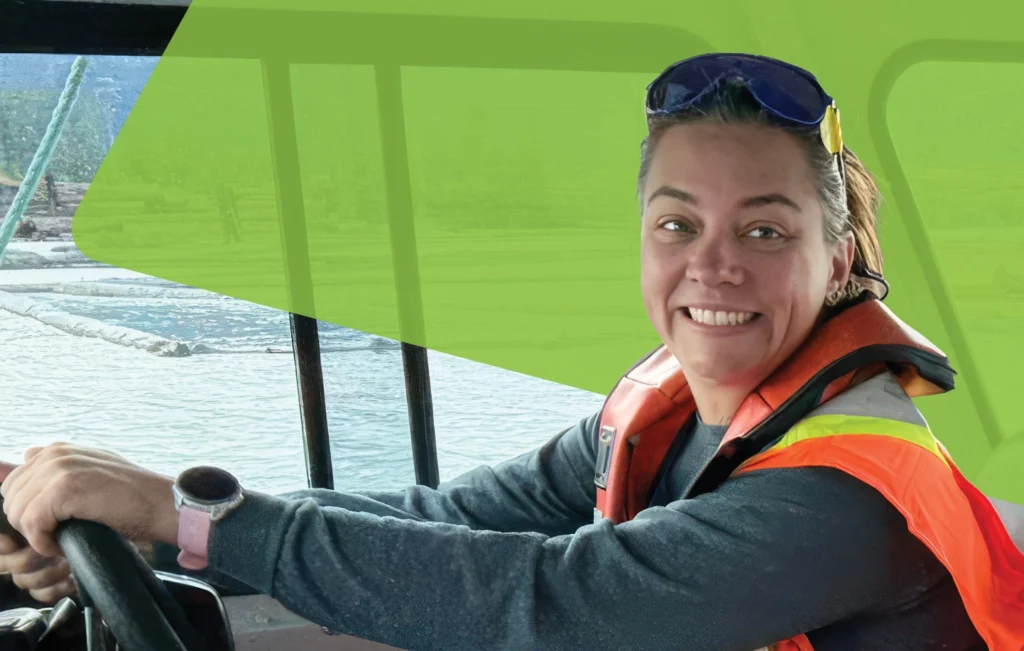
Le parcours de Linda Feuerhelm dans le domaine de la sécurité a commencé par une perte personnelle et s'est transformé en une mission de protection des autres. Par le biais du plaidoyer et de l'éducation, elle contribue à bâtir des lieux de travail plus sûrs et des communautés plus fortes.
Shilo Neveu : Diriger avec confiance, transparence et calme sous la pression

Shilo Neveu believes leadership is defined by actions taken when no one is watching. With experience in construction, occupational health and safety law, and executive leadership, he highlights how trust, consistency, and clear communication help teams manage pressure and maintain strong safety cultures.
La sécurité des bâtiments remarquée par tous : Michelle Griffin sur la sensibilisation, la responsabilité et l'élévation des standards

Michelle Griffin explique comment une attention constante, une responsabilité visible et des systèmes de sécurité pratiques aident les organisations à prévenir les dérives et à identifier les risques avant que des incidents ne se produisent.
Simon Wiederkehr et le système Priorité aux personnes

Le leadership axé sur la sécurité et centré sur l'humain se construit grâce à la confiance, à l'expérience et aux liens humains. Simon Wiederkehr montre comment donner la priorité aux personnes conduit à un meilleur jugement et à des résultats plus sûrs dans les environnements de travail à haut risque.
Chris Cole sur la création de programmes de sécurité évolutifs sans devenir des “ polices de la sécurité ”

Chris Cole partage des leçons concrètes sur l'amélioration de la sécurité à travers le Canada et les États-Unis en se concentrant sur la visibilité, la confiance et la résolution des causes profondes au lieu de blâmer les individus.
Josh Boychuk et la psychologie de l'achat réel

Le leadership en matière de sécurité ne se construit pas uniquement par des politiques. Découvrez comment l'approche axée sur le terrain de Josh Boychuk montre pourquoi l'adhésion psychologique, la confiance et le coaching dans le monde réel sont essentiels pour prévenir les risques et bâtir des équipes fiables.
Diriger avec humanité : Megan Scott sur la création d'une sécurité à laquelle les gens font confiance

La confiance, et non les mesures coercitives, est le fondement d'une sécurité efficace. Découvrez comment un leadership axé sur le bien-être des personnes permet de renforcer la crédibilité, l'engagement et un contrôle réel des risques en plaçant les personnes avant les règles.