
Webinaire
A Pro-Active Approach to Mental Health
- October 26, 2026
- 11:00 AM MDT
- Live on LinkedIn · Free
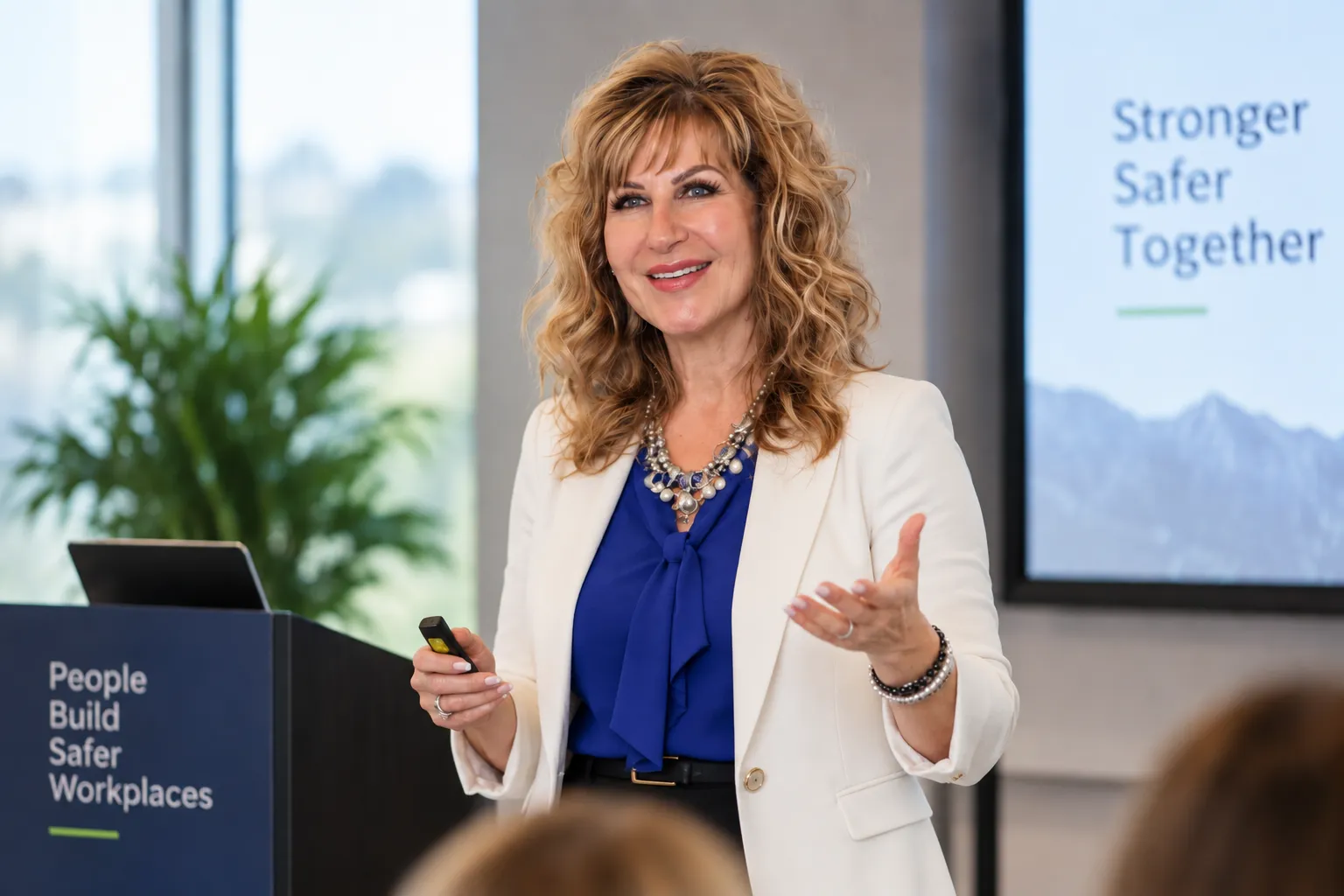
We have gotten good at safety: procedures are written, hazard assessments get done, equipment gets inspected. Yet incidents keep happening, partly because health was left out of health and safety. On October 26, occupational therapist Sylvia Marusyk made the case for putting mental health back in.
This webinar took place on October 26, 2026.
Event details:
- Date
- Mon, October 26th, 2026
- Time
- 11:00 AM MDT
- Where
- LinkedIn, live online
- Cost
- gratuit
About the session
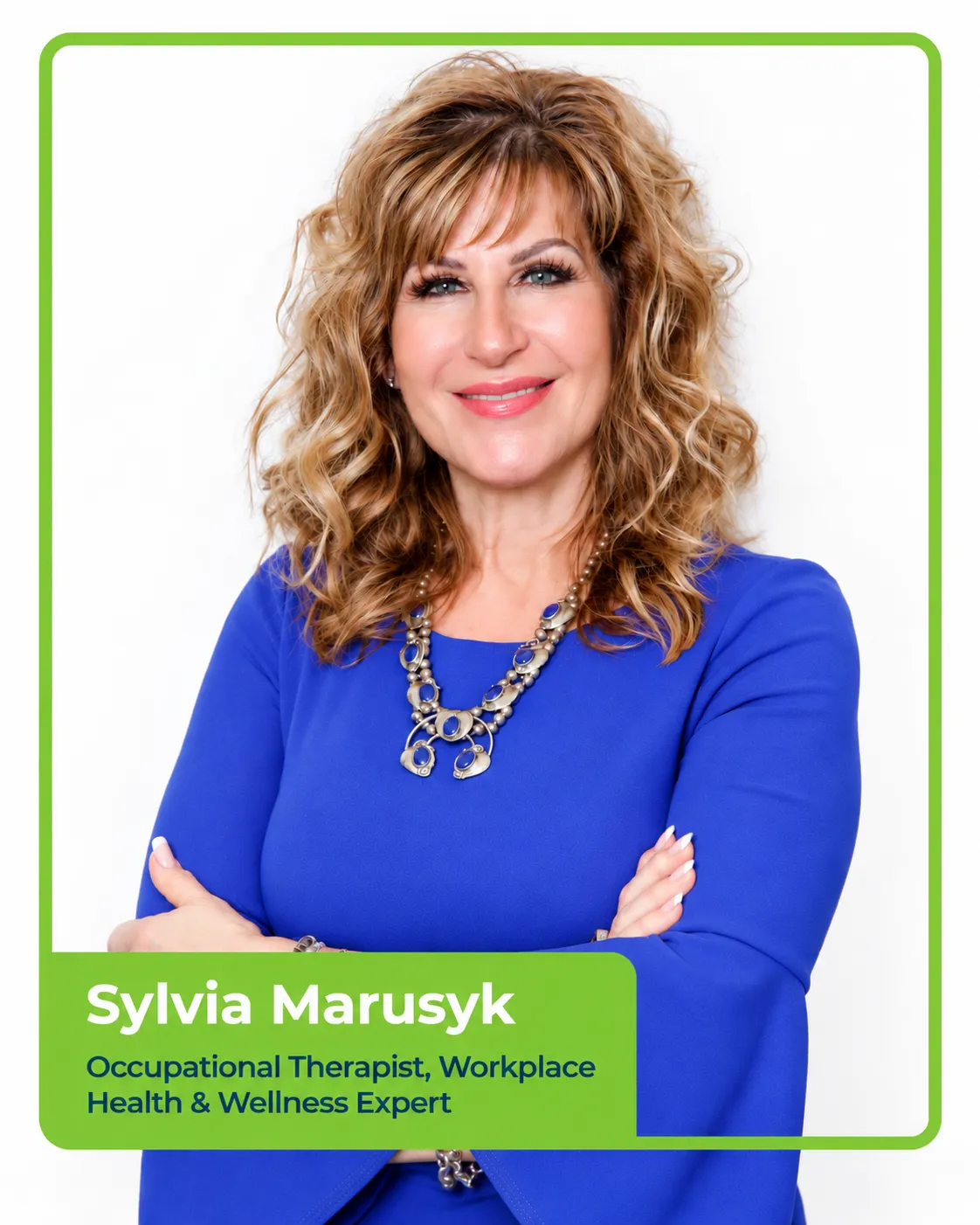
Sylvia Marusyk has spent three decades in injury prevention and health promotion. In this session she showed why mental health is foundational to everything else in a safety program. Policy and rules speak to the head, and they produce compliance when someone is watching. Motivation, confidence and simple tools speak to the heart, and that is where commitment comes from.
She also covered what stress does to the people on a crew. It narrows the ability to spot a hazard, solve a problem, ask for help and plan ahead, and it goes home with them at night.
What the session covered
- Ce qui arrive au fonctionnement du cerveau sous l'effet du stress, et pourquoi les dangers deviennent plus difficiles à voir
- Le lien entre la réaction au stress et la sécurité, au travail comme en dehors
- A simple three-step framework called the universal triggers of stress
- Des techniques pour apaiser le système nerveux et retrouver sa capacité à résoudre des problèmes sur le moment
- Des mots que les gestionnaires peuvent utiliser pour soutenir leur équipe sans avoir de formation clinique
- Why commitment, not compliance, is what shows up in engagement, recruitment and retention
A practical session for supervisors, safety leads and anyone responsible for a team who wants something more useful than a poster about wellness.
Pourquoi c'est important
Two crews can look identical from the outside: the same training records, toolbox talks and hazard assessments. What separates them is whether people are working with full attention, or on a nervous system that has been in overdrive for months.
- Full attention on the job
- Hazards that stay visible
- Support without a clinical background
Very little in a standard safety program is built to look at that. This session put it on the table: what changes in the brain under stress, why a hazard gets harder to see, and what support sounds like from a supervisor with no clinical training.
Attendees left with a three-step framework for the universal triggers of stress, techniques quick enough to use in the moment, and language they could take to their own crew the same week.