Shaking Hands with Einstein’s Legacy

Home Company Spotlights Shaking Hands with Einstein’s Legacy Why Ignoring Injuries Leads to Bigger Problems How Danny Sellers wired his way to the edge of space-time, with safety at every step By DanAdminCAD Facebook LinkedIn High Voltage, Black Holes, and Building a Culture of Safety Danny Sellers started in the deep South. Wiring up petrochemical plants, wrangling high-voltage power systems. Now? He helps humanity hear the universe. Space science. Growing up in Louisiana, Danny was surrounded by heavy equipment, industrial know-how. His family members who worked with their hands. One of those family members owned one of the largest electrical instrumentation contract companies in the southern United States. This gave Danny a front-row seat to the world of high-risk, high-skill trades. “Spending summers at the shop helping out, I kind of was determined I was going to go in that field anyway,” he says. By the time he graduated high school, he had already completed parts of his electrical training. He was working in petrochemical plants at 18, and he was learning. About power distribution, process control, instrumentation. “You learn quick in that kind of environment,” he says. “You’re working around systems that can kill you in a second if you don’t respect them.” He spent years traveling from site to site across the United States. “I’ve worked at, you know, the Big Dig in Boston, Eli Lilly Pharmacy, you know, just all around. You see a lot of different practices out there. You learn real quick the importance of staying sharp, especially when you’re working around high voltage or confined spaces.“ Daniel Sellers – Founder Eventually, the constant travel gave way to something else: a desire to settle down. He joined Dow Chemical, working on high-voltage distribution and cogeneration systems. But even in that more stable role, safety was never an afterthought. “A lot of your large petrochemical industries actually generate their own power,” he says. “It’s just cheaper for them to do that. So we have Cogen plants, natural gas turbines and stuff.” He added that working in those environments meant managing both the energy systems and the safety risks that came with them. But the routine wore thin. “Plant work didn’t really suit me. It was just kind of the same thing every day,” he says. So he changed course again. Lasers, Gravity, and a New Way to See the Universe In 2002, Danny took a contractor job at a relatively obscure facility in Livingston, Louisiana: LIGO. His first task? Helping control the HEPI system, a complex hydraulic isolation setup. It keeps the facility’s delicate instruments undisturbed by vibrations from the outside world. “I was actually working on what we call here our HEPI system, a hydraulic isolation system, doing controls for that,” he says. “Probably after about two years, I was invited into the director’s office… they slid a piece of paper to me and said, ‘How would you like to come here and do this?’” And just like that, he was in. LIGO, the Laser Interferometer Gravitational-Wave Observatory, isn’t your average workplace. It’s where Danny went from contractor to full-blown cosmic detective. His job? Help run a machine so precise it measures changes in space smaller than a proton. “We shoot a laser beam down two 4-kilometer arms and measure differential length of space and time,” he explains. “The wave we’re looking for? It changes that distance by about 1/1000th the size of a proton. It’s pretty much the finest measurement ever made by man.” That wave isn’t just any ripple. It’s a gravitational wave from massive cosmic collisions. Black holes smashing into each other, neutron stars spiraling to their deaths. And the system to detect them? It’s safety-critical on every level. “When you’re dealing with that kind of sensitivity, everything matters. The procedures, the lockouts, the calibrations. There’s no winging it. Everything has to be documented, verified, and double-checked.” Daniel Sellers – Founder Einstein Said It Couldn’t Be Done Einstein predicted gravitational waves in his theory of general relativity, but even he didn’t think we’d ever detect them. “Even then, he said, ‘No one will ever be able to build a detector or a machine that could pull this off,’” Danny says. But LIGO proved him wrong. After years of fine-tuning, upgrades, and grueling testing, LIGO made its first official detection of gravitational waves in 2015. That ripple in space-time confirmed a key part of Einstein’s theory and helped win a Nobel Prize. Danny was there for it. Running shifts. Locking the detector. Helping keep the whole system stable enough to make the most precise measurement in human history. “Training here is constant,” he adds. “Everyone gets trained on operating the detector, understanding hazards, and following procedures. We don’t just read manuals, we live them.” Working With Giants, and Lasers This isn’t a desk job. Danny trained on locking the detector, ran night shifts, and worked alongside Nobel laureates like Rainer Weiss. Weiss, an MIT physicist, conceptualized LIGO. “This is a man that… only took on one or two students a year,” Danny recalls. “I’ve spent, Lord knows how many hours, 2:00 in the morning with him, personally working on the side.” At LIGO, knowledge flows freely. It’s a place where someone can go from a petrochemical plant to collaborating with the brightest physicists in the world. Want to learn something? “There’s a specialist or somebody here who has done their thesis or PhD in that subject… and it’s free,” Danny says. “Whatever you want to know, someone here knows it. You just have to ask.” His role expanded beyond electrical work. He dove into optics and lasers. He ran operations on the detector floor. He learned how to lock, align, and monitor sensitive systems. These systems can pick up passing trucks on the highway, or earthquakes on the other side of the planet. And through it all, safety remained central. “We’re not building widgets. We’re listening to the universe,” Danny says. “But we’re doing it with protocols and systems designed to protect
Culture de la sécurité contre théâtre de la sécurité
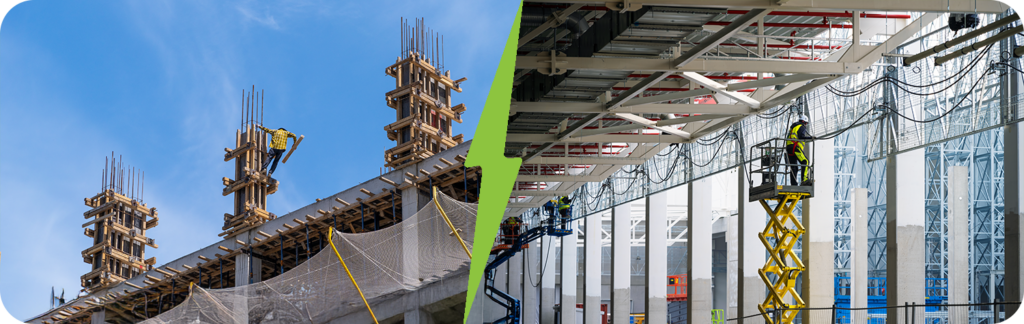
Accueil Blog Culture de la sécurité ou “ théâtre de la sécurité ” : protégez-vous réellement vos salariés ou vous contentez-vous de faire semblant ? Sécurité et moral, ou poudre aux yeux… Par RDadiz Facebook LinkedIn Certains lieux de travail font grand cas de la sécurité. Des affiches sur les murs. Des slogans dans les e-mails. Peut-être même une banderole « La sécurité avant tout » accrochée dans la salle de pause. Mais quand on y regarde de plus près, tout cela n’est que de la poudre aux yeux. C’est ce qu’on appelle le « théâtre de la sécurité » : des règles qui existent sur le papier, mais pas dans la pratique. Une véritable culture de la sécurité, c’est autre chose. Il ne s’agit pas de donner l’impression d’être en conformité, mais de préserver la vie des gens. Une véritable culture de la sécurité signifie que les travailleurs ne se contentent pas de respecter les règles parce qu’ils y sont obligés. Ils les respectent parce qu’ils comprennent pourquoi elles existent. Il s’agit de passer d’une perception de la sécurité comme un fardeau à celle d’une nécessité. Les entreprises qui ne se concentrent que sur les apparences se retrouvent avec des travailleurs qui font les choses machinalement. Pendant ce temps, les véritables dangers restent sans contrôle. Lorsque cela se produit, la question n’est pas de savoir si un accident va se produire, mais quand. La différence entre culture et « théâtre de la sécurité » Le « théâtre de la sécurité » désigne des politiques qui font bonne figure sur le papier mais qui, en réalité, n’empêchent pas les accidents. Il s’agit notamment d’une paperasserie excessive, de règles inutiles concernant les EPI et de procédures obsolètes que personne ne respecte. À l’inverse, la culture de la sécurité, c’est lorsque les travailleurs, à tous les niveaux, accordent la priorité à la sécurité. Ils ne se contentent pas d’en parler. Ils prennent des mesures concrètes pour l’intégrer dans leur travail quotidien et leur prise de décision. Dans une culture de la sécurité solide, les travailleurs ont la confiance nécessaire pour mettre fin à tout travail dangereux. Les raccourcis ne sont pas ignorés, et la formation est plus qu’une simple obligation : c’est une priorité. Une culture de la sécurité solide signifie que les travailleurs se sentent habilités à mettre fin à tout travail dangereux. Cela signifie que les raccourcis ne sont pas ignorés. Cela signifie que la formation n’est pas qu’une formalité, mais une priorité. Lorsque le « théâtre de la sécurité » prend le dessus, les entreprises créent un faux sentiment de sécurité. Les travailleurs peuvent supposer qu’ils sont en sécurité simplement parce que des procédures existent. Mais si ces procédures ne sont ni testées ni appliquées, elles ne servent à rien. Une véritable culture de la sécurité ne consiste pas à cocher des cases. Il s’agit de s’assurer que chaque travailleur rentre chez lui sain et sauf. Les signes du « théâtre de la sécurité » Certaines entreprises pensent donner la priorité à la sécurité, mais en réalité, elles se contentent de cocher des cases. Voici comment faire la différence : Une paperasserie sans fin, mais aucune application concrète. Si des rapports sont remplis mais que les dangers ne sont pas éliminés, ce n’est que du théâtre. Des travailleurs qui ont peur de signaler des problèmes de sécurité. Si s’exprimer entraîne une sanction ou est ignoré, la sécurité n’est qu’une façade. Des promesses en l’air de la part de la direction. Si les responsables privilégient la productivité au détriment de la sécurité, leurs véritables priorités sont claires. Des formations obsolètes ou inadaptées. Si les travailleurs n’apprennent rien d’utile, la formation n’est qu’une case à cocher. On s’attache à blâmer les travailleurs plutôt qu’à corriger les systèmes. Une véritable sécurité s’attache aux causes profondes, et pas seulement à celui qui a commis une erreur. Aucun suivi après les incidents. Si des accidents se produisent mais que rien ne change, la sécurité n’est pas une véritable priorité. Des règles uniformes. Chaque secteur présente des risques différents ; les politiques générales ne répondent pas aux dangers réels. On se soucie davantage de la conformité que de la protection réelle. Respecter la loi est important, mais la véritable sécurité va au-delà des exigences minimales. Les coûts cachés du « théâtre de la sécurité » Une entreprise qui traite la sécurité comme une mise en scène plutôt que comme une pratique joue un jeu dangereux. Les coûts cachés du « théâtre de la sécurité » vont au-delà des taux d’accidents : Désengagement des employés. Lorsque les travailleurs savent que la sécurité n’est qu’une mise en scène, ils cessent de la prendre au sérieux. Problèmes réglementaires. Les responsables de la conformité ne sont pas dupes. Les entreprises qui simulent la sécurité finiront par se voir infliger des amendes ou des fermetures. Rotation accrue du personnel. Les employés ne restent pas là où ils ne se sentent pas en sécurité. Des taux d’accidents élevés entraînent des taux de départ élevés. Responsabilité juridique. Simuler la sécurité ne tiendra pas la route devant un tribunal. Les entreprises peuvent être poursuivies pour négligence si elles ne protègent pas leurs travailleurs. Instaurer une véritable culture de la sécurité Mettre fin au « théâtre de la sécurité » exige un engagement réel. Voici comment les lieux de travail peuvent passer de la mise en scène à la protection : Donner aux travailleurs les moyens de s’exprimer. Les travailleurs doivent se sentir en sécurité pour interrompre leur travail s’ils constatent une situation dangereuse. Ils doivent avoir la certitude que le signalement des dangers n’entraînera pas de représailles. Donner la priorité aux formations pertinentes. Oubliez les vidéos de sécurité génériques. Sensibilisez les travailleurs aux risques spécifiques auxquels ils sont confrontés au quotidien. Résolvez les problèmes, ne vous contentez pas de les consigner. Signaler un danger ne suffit pas : les entreprises doivent y remédier. Demandez des comptes aux dirigeants. La sécurité commence au sommet. Si la direction ne respecte pas les règles, les travailleurs ne le feront pas non plus. Mesurez la sécurité à l’aune des actions, pas de la paperasse. Suivez les mesures de sécurité concrètes telles que les rapports d’accidents évités de justesse, les corrections apportées aux dangers et les retours des travailleurs. Ne vous contentez pas de compter le nombre de formulaires remplis. Encouragez des exercices de sécurité réalistes. Un exercice d’évacuation incendie où tout le monde se dirige tranquillement vers une sortie ne suffit pas. Rendez les exercices réalistes. Ajoutez de la pression. Mettez les travailleurs à l’épreuve dans des situations qui reproduisent des urgences réelles. Récompensez les comportements sûrs. Lorsque les travailleurs prennent des décisions soucieuses de la sécurité, reconnaissez-le. Le renforcement positif favorise de meilleures habitudes que la punition. Investissez dans les bons équipements de sécurité. Si un lieu de travail exige le port d’EPI, assurez-vous qu’ils soient confortables et pratiques. Les employés sont plus enclins à utiliser un équipement bien ajusté qui ne les gêne pas dans leur travail. Intégrez la sécurité dans les conversations quotidiennes. La sécurité ne doit pas se limiter à un sujet abordé lors d’une réunion mensuelle. Elle doit être discutée sur les chantiers, lors des réunions avant le début du service et pendant les sessions de formation. Contrôlez régulièrement les pratiques de sécurité. Ne partez pas du principe que les consignes sont respectées, vérifiez-les. Réalisez des audits de sécurité inopinés et corrigez immédiatement les problèmes. Exemples de culture de la sécurité vs « théâtre de la sécurité » : imaginez un entrepôt qui prétend faire de la sécurité une priorité. Des affiches recouvrent les murs et des sessions de formation sont organisées régulièrement. Mais en réalité, les travailleurs sont poussés à atteindre des quotas impossibles. Les caristes négligent de boucler leur ceinture de sécurité. Les infractions à la sécurité sont balayées d’un revers de main au nom de la productivité. Finalement, un accident se produit, et soudain, tous ces risques ignorés se transforment en conséquences réelles. Comparons maintenant cela à une entreprise de construction qui adopte une approche différente. Après un incident évité de justesse, elle ne se contente pas de le passer sous silence. Elle commence à organiser des réunions quotidiennes sur la sécurité et encourage activement les travailleurs à signaler les incidents évités de justesse. Au lieu d’ignorer les risques potentiels, elle les aborde de front. Les travailleurs sont récompensés lorsqu’ils prennent la sécurité au sérieux, ce qui renforce une culture où le fait de s’exprimer est valorisé. Au fil du temps, le nombre d’accidents diminue et les travailleurs s’impliquent davantage dans les efforts de sécurité. L’entreprise se forge une réputation d’entreprise qui privilégie la protection plutôt que la rapidité de production. La différence entre une culture de la sécurité et une « mise en scène de la sécurité » réside dans
Jody Young contre Tragédie au travail

Accueil Entreprises à l'honneur Jody Young face aux tragédies sur le lieu de travail : une carrière consacrée à la lutte pour des conditions de travail plus sûres. Jody Young s'exprime sur les cultures de “ sécurité imposée par la hiérarchie ”. Par DanAdminCAD Facebook LinkedIn “ Chaque travailleur devrait partir travailler et rentrer chez lui dans le même état qu’à son départ. ” Jody Young a consacré 35 ans de sa vie à la santé et à la sécurité au travail. Elle a élaboré des politiques. Elle a veillé au respect des règles. Elle a eu un impact réel sur la sécurité au travail au Canada. Sa carrière couvre à la fois les secteurs public et privé, ce qui lui confère une expérience d’une richesse unique. Aujourd’hui, elle dirige les Services de prévention et de sécurité au travail (WSPS). Au fil des ans, elle a vu les réglementations en matière de sécurité évoluer. Elle a constaté les défis auxquels les entreprises sont confrontées pour protéger leurs travailleurs. Et elle sait ce qui se passe lorsqu’elles échouent. Elle a été témoin des répercussions en cascade de lieux de travail dangereux. Les conséquences à long terme ne touchent pas seulement les travailleurs blessés. Les familles en souffrent. Les communautés en ressentent la perte. Une seule défaillance en matière de sécurité peut entraîner des poursuites judiciaires, la ruine financière et un chagrin incommensurable. Pour Mme Young, c’est bien plus qu’un simple métier. C’est une quête visant à faire la différence grâce à la prévention. Des sciences de l’environnement au leadership en matière de sécurité Mme Young était étudiante en sciences de l’environnement à l’université de Toronto. Elle a effectué un stage d’été au sein du service environnement, santé et sécurité d’une société minière. Cette expérience a tout changé. Elle a constaté à quel point la sécurité pouvait faire la différence entre la vie et la mort. Elle a débuté par des tests d’hygiène industrielle, tant dans les mines souterraines que dans les usines de surface. Le SIMDUT venait tout juste d’être mis en place, et elle a participé aux enquêtes et aux formations. Au fil du temps, les employeurs ont recherché des professionnels maîtrisant à la fois la conformité environnementale et celle en matière de sécurité. Cette demande a joué en sa faveur. Elle a décroché des postes clés et a passé plusieurs années dans le secteur privé : l’exploitation minière, la fabrication d’abrasifs, la construction, le traitement des déchets, la fabrication de peintures. Chaque secteur présentait ses propres risques. Elle a vu des travailleurs se blesser. Elle a constaté à quel point des incidents évitables pouvaient bouleverser des vies. Lorsque la sécurité faisait défaut, ce sont les travailleurs – et leurs familles – qui en payaient le prix. Elle s’est ensuite orientée vers le secteur public. Elle a travaillé pour les ministères du Travail de l’Ontario et de l’Alberta. C’est là qu’elle a pris la mesure de l’impact considérable que pouvaient avoir la conformité et l’application de la réglementation. “ J’ai senti que je pouvais réellement avoir un impact plus important en matière de sécurité. Les résultats étaient immédiats, et on pouvait voir la différence. ” Jody Young Elle en a été témoin de ses propres yeux : enquêtes, amendes, procédures judiciaires et familles brisées en un instant. Chaque blessure, chaque décès, renforçait sa mission. Son travail ne se limitait pas à faire respecter la loi. Elle collaborait avec les entreprises pour les aider à améliorer leurs pratiques en matière de sécurité. Elle faisait découvrir aux employeurs les meilleures pratiques. Se contenter de respecter la réglementation ne suffisait pas. Il fallait créer des lieux de travail plus sûrs. Elle a mis les entreprises en relation avec les organismes publics. Ensemble, ils ont instauré une culture de la sécurité plus solide. Une mission personnelle Pour Jody Young, la sécurité n’est pas seulement une carrière. C’est une affaire personnelle. “ Mon propre père a été victime d’un accident sur son lieu de travail qui a bouleversé sa vie. Je n’ai toujours connu mon père qu’avec une seule jambe ”, explique-t-elle. Cette réalité a façonné sa vision des choses. Elle a compris les conséquences des accidents du travail sur les familles. Son travail d’enquêteuse n’a fait que renforcer sa passion. Elle s’est assise aux côtés de familles qui ont perdu des êtres chers. Elle les a accompagnées tout au long des enquêtes et des procédures judiciaires. Elle s’est rendue chez elles, leur a tenu la main et a été témoin de leur chagrin de près. Ces moments ont nourri sa mission. Aucun salarié ne devrait souffrir parce qu’un employeur a rogné sur les coûts ou a simplement manqué de vigilance. Aucun enfant ne devrait grandir sans un de ses parents parce qu’une entreprise a ignoré les mesures de sécurité élémentaires. Mme Young a également travaillé auprès de salariés blessés. Elle a constaté les conséquences physiques et émotionnelles de ces accidents. Des personnes qui s’épanouissaient autrefois dans leur travail sont désormais confrontées à la douleur, au handicap et à l’instabilité financière. Ces histoires ne la quittent pas. Elle estime que le meilleur moyen de prévenir les tragédies est de favoriser une culture où la sécurité est valorisée à tous les niveaux de la hiérarchie. Cela implique d’exiger un engagement fort de la part des dirigeants, d’encourager un dialogue ouvert sur les risques et d’élaborer des politiques qui vont au-delà du strict minimum pour protéger véritablement les travailleurs. Le rôle du WSPS dans le système de sécurité de l’Ontario Aujourd’hui, Mme Young dirige le WSPS, un acteur clé du système de santé et de sécurité de l’Ontario. Elle décrit le WSPS comme l’un des trois piliers d’un tabouret à trois pieds. La Commission de la sécurité professionnelle et de l’assurance contre les accidents du travail (WSIB) gère les indemnités et le retour au travail, et soutient la prévention. Le ministère du Travail, de l’Immigration, de la Formation et du Développement des compétences définit, communique et fait respecter les exigences en matière de santé et de sécurité au travail. Le rôle du WSPS consiste à se concentrer sur la fourniture de services de formation et de conseil afin de prévenir les accidents du travail et les maladies professionnelles. ’ Nous avons un mandat important défini par la loi “, explique Mme Young. ”Nous faisons partie du système de prévention financé par les cotisations patronales perçues par la WSIB. “ Le WSPS travaille directement avec les entreprises. Il les aide à élaborer des programmes de sécurité. Il réalise des évaluations des risques. Il propose des formations pratiques. L’objectif est simple : empêcher les accidents avant qu’ils ne se produisent. Le WSPS fournit des conseils sur tous les sujets, de la sécurité des machines et de la robotique à la violence et au harcèlement au travail, en passant par la santé mentale. Il aide les petites entreprises à mettre en place des programmes de sécurité conformes à la législation. Les programmes de formation sectoriels et les services sur site du WSPS apprennent aux employeurs et aux travailleurs à détecter les risques à un stade précoce. L’objectif : empêcher les tragédies avant qu’elles ne se produisent. Mme Young souligne que le WSPS ne se contente pas d’offrir des services, il tisse des liens. Les entreprises qui collaborent avec le WSPS bénéficient d’une assistance d’experts pour élaborer leurs programmes de sécurité. La sécurité n’est pas seulement une liste de contrôle. Elle fait partie intégrante de leur mode de fonctionnement. Elle en est le témoin direct. Les entreprises qui font de la sécurité une priorité fonctionnent mieux. Les salariés restent plus longtemps. Le moral s’améliore. La productivité augmente. Une obligation morale Mme Young a une conviction fondamentale : chaque salarié doit se rendre au travail et rentrer chez lui dans le même état qu’à son départ. Elle considère la sécurité comme un devoir, et non comme un fardeau. ” Il ne s’agit pas seulement d’éviter les amendes. Les employeurs doivent protéger leurs salariés. Le coût d’un échec est trop élevé. Des vies sont en jeu. ’ Jody Young La sécurité ne se résume pas à la conformité. C’est une question de culture. Les salariés doivent se sentir en sécurité pour s’exprimer. Les dirigeants doivent agir avant que les accidents ne se produisent. Les entreprises qui investissent dans la sécurité enregistrent moins d’accidents du travail. Mais elles bénéficient également d’un meilleur moral et d’une meilleure productivité. Elle sait que certaines entreprises résistent encore aux mesures de sécurité. Elles les considèrent comme coûteuses, chronophages et bureaucratiques. Mais elle sait aussi qu’un seul accident
Réalité virtuelle, sécurité réelle

Home Company Spotlights Virtual Reality, Real Safety Jennifer Lastra’s Mission to Save Lives Lastra talks psychology, VR, and AI in workplace training. By DanAdminCAD Facebook LinkedIn “Compliance doesn’t equal competence. We have to do better.” Jennifer Lastra started her career as an electrician in the US Navy. She spent years working in shipbuilding and manufacturing as boots on the ground. She worked as a contractor in shipyards, frequently operating in high-risk environments with minimal supervision. This was real work, alongside people who did dangerous jobs every day. Then she saw the gaps, massive gaps in how safety was taught, understood, and retained. “I didn’t even realize how unsafe shipboard construction was until years later. The challenges go beyond just the hazards of working with electricity inside a steel vessel floating on water. And yet, we weren’t taught about self-awareness or situational awareness the way we should have been. We were just thrown in.” Jennifer Lastra Today, Lastra is on a mission to change that. As the Co-Founder and CEO of 360 Immersive, she’s pioneering the use of virtual reality (VR) in safety training. Her firm creates deeply immersive experiences. This is training that forces workers to engage, react, and remember. Her philosophy is simple: traditional training isn’t working. And if the fatality rates prove anything, it’s that the industry is long overdue for disruption. From the Navy to Night Vision to VR After the Navy, Lastra moved into shipbuilding. After that, manufacturing, making night vision goggles for military and emergency responders. She loved the sense of service, helping those who protect others. But eventually, she felt the pull to do something on her own. She wanted to build something. And in 2014, she saw her opportunity: virtual reality. “We started being able to pair cell phones with VR viewers,” she says. “Even if it was just cardboard headsets, I knew this technology had the power to completely immerse someone. And if you can immerse them, you can have the ability to modify their behavior.” Jennifer Lastra But Lastra isn’t a tech person. She never set out to be one. What drew her in wasn’t the hardware, it was the potential. “It was the perfect storm,” she says. “Entrepreneurship, powerful technology, and the chance to fix something I knew was broken.” She took that vision and started building. At first, there were skeptics. Some dismissed VR as a gimmick, a novelty. But as more companies saw the results, they realized she was onto something. “When workers go through VR training, they retain more. They react faster. They make better decisions under pressure,” she says. “It’s not theory, it’s science.” Related read: Do you own a business in the insurance industry? Check out how Artificial Intelligence is transforming the insurance industry. Fixing the Gaps in Safety Training For Lastra, the problem with traditional safety training is that it’s passive. Workers sit through hours of slide decks, printed manuals, and video lectures. They check a box, take a test, and move on. But does any of it stick? “Most safety training today is outdated and ineffective,” she says. “We’re giving workers information, but we’re not engaging them. And when the moment comes, when they’re in a real situation, what do they actually remember?” She experienced the challenge firsthand early in her career. As someone with dyslexia, she struggled to translate technical training into real-world applications. “I could pass any test you threw at me,” she says. “But when I got to the fleet, I had no idea how to apply it.” That disconnect drives her work today. 360 Immersive doesn’t just build training programs, it builds experiences. Using VR, workers are placed in hazardous environments. They react, make decisions, and see the consequences of those decisions play out in real time. “The goal is to meet learners where they are,” she says. “a scenario they’ll never forget. ”Some people learn best through reading, others hands-on, or a combination of both. VR bridges the gap, blending learning styles creating a more effective, engaging, and memorable experience.” And it’s not just about skill development. VR can replicate real-life pressures. Confined spaces, operating machinery under stress, reacting to an unexpected hazard. VR goes beyond technical skills – it’s ideal for simulating low-incident, high-risk scenarios like confined space rescues or warehouse fires, where mistakes have cost lives. “It’s a powerful tool for developing decision-making and critical thinking skills without actual consequences,” Lastra says. “The emotional connection makes training unforgettable and deeply impactful.” The Next Big Fight: Psychological Safety For Lastra, safety training isn’t just about hazard recognition and compliance – it’s about mindset. She believes psychological safety is the most overlooked factor in workplace safety. “Early in my career, I was often the first – or only – woman on the team, which made me feel like an outsider. I didn’t feel safe enough to raise my hand or ask questions. How many people still face this same challenge today?” She argues that fear prevents workers from speaking up about unsafe conditions – fear of asking a “stupid” question, fear of retaliation, fear of rejection. “People don’t speak up if they don’t feel like they belong. If they don’t feel safe,” she says. Her approach integrates psychological safety, mindfulness, and situational awareness into safety training. Instead of just teaching PPE regulations, we have an opportunity to dig deeper to understand, ‘Why aren’t you wearing it?’ or ‘Why did you skip inspecting it?’ Maybe it didn’t fit, or they were rushing to finish a task. Powerful storytelling in VR goes beyond compliance by illustrating the root causes of unsafe behaviors. By immersing learners in realistic, relatable scenarios, they build self-awareness, confidence, and the ability to speak up, take responsibility, and make safer decisions – key elements of a psychologically safe workplace. “If we can create emotional connections to training, we can change behavior. That’s the missing piece.” Jennifer Lastra The Fight for Better Standards Lastra isn’t just battling outdated training methods, she’s fighting complacency. “While yearly numbers
Safety Myths
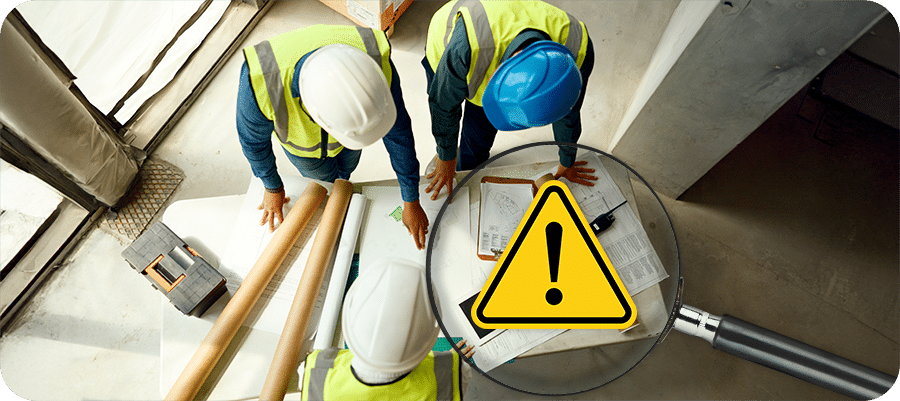
Home Blog Safety Myths And Which Ones Need to Die! Does your workplace suffer from ‘fakelore’? By DanAdminCAD Facebook LinkedIn Some workplace safety “truths” have been passed down for years, but that doesn’t make them right. In fact, some of the most common safety beliefs are flat-out dangerous. It’s time to call them out before they get someone hurt. Here are some of the biggest myths that need to be put to bed: 1. “We’ve Always Done It This Way, and It’s Been Fine” Why it’s dangerous: Just because it worked before doesn’t mean it’s safe now. The fix: Regularly review procedures and update them based on new technology and best practices. Just because something hasn’t caused an accident yet doesn’t mean it won’t. Luck is not a safety strategy. Every shortcut taken without consequence is just stacking the odds against you. The right way to do something is the safe way, not just the way it’s always been done. This myth is especially dangerous because it resists change. New technology, updated regulations, and evolving best practices exist for a reason. Sticking to outdated methods means ignoring safer, more efficient ways to work. It’s only a matter of time before that “tried and true” approach fails in a catastrophic way. “People with [differing] attitudes or inexperience think they can cut corners, but it will catch up with them eventually. It’s just like running stop signs, you might get away with it for a while, but sooner or later, disaster strikes.” Robin Postnikoff 2. “More PPE Means More Safety” Why it’s dangerous: Too much PPE can reduce mobility and create new hazards. The fix: Use the hierarchy of controls, eliminate hazards first, then rely on PPE as a last line of defense. PPE is essential, but it’s not a magic shield. Wearing thick gloves while handling tiny components can reduce grip and increase risk. Heavy gear in hot conditions can lead to heat exhaustion. Safety starts with eliminating hazards, not just piling on more protective equipment. The key is the hierarchy of controls. Remove the hazard first. Substitute safer alternatives. Install engineering or administrative controls before relying solely on PPE. Workers need the right protection, not just more protection. “Sometimes, extreme PPE requirements actually cause more problems. We had sites where tying off at two steps was mandatory, but workers were tripping over their harness cords. It wasn’t reasonable, and people got hurt because of it.” Brett Burkard 3. “A Quick Task Doesn’t Need Full Safety Precautions” Why it’s dangerous: Accidents happen in seconds, especially when rushing. The fix: Treat every task, no matter how small, as an opportunity to follow proper safety procedures. The worst accidents happen when people skip safety steps “just for a second.” It only takes a moment for a fall, a fire, or an amputation to happen. No job is too small for safety. Related read: Do you own a business in the insurance industry? Check out how Artificial Intelligence is transforming the insurance industry. “Every rule has been written in blood. People don’t take things seriously until someone gets hurt or a company gets sued. That’s why we drill safety into training, it has to stick before something bad happens.” Robin Postnikoff 4. “If It’s Not an Injury, It’s Not a Big Deal” Why it’s dangerous: Near misses are warnings that something is wrong. The fix: Investigate and correct all near misses before they turn into serious accidents. Near misses are flashing warning signs. Ignoring them guarantees that next time, someone will get hurt. Treat close calls like actual incidents, investigate, correct, and learn from them. In industries like construction and manufacturing, near misses are often precursors to severe accidents. A worker who trips but doesn’t fall today might break a leg tomorrow. A machine that jams without consequence today might lead to an amputation next week. Reporting and addressing near misses prevent tragedies. 5. “Good Workers Don’t Need Safety Training” Why it’s dangerous: Experience can lead to overconfidence and complacency. The fix: Make regular safety training mandatory for all employees, no matter their experience level. Experience doesn’t make anyone invincible. In fact, veteran workers are often the ones who get complacent. Training isn’t just for rookies, it’s for everyone, all the time. “I don’t care if you have a master’s degree in safety. If you don’t have the experience, the network, and the mindset to keep learning, you’re not going to be a good safety person. Training is never just a ‘one and done.” Kevin Swinden 6. “Slower Work Is Safer Work” Why it’s dangerous: Moving too slowly can cause inefficiencies and increase risk. The fix: Focus on smart work, trained, controlled, and precise, rather than just slow work. Rushing is dangerous, but moving at a crawl isn’t the answer either. Safety is about working smart, not just slow. Proper training and good procedures allow workers to be both safe and efficient. Think about high-risk jobs like firefighting or emergency response. Speed is necessary, but it’s trained, controlled, and precise. The same applies to workplaces. Efficiency and safety go hand in hand when workers follow procedures correctly. 7. “Only High-Risk Jobs Require Safety” Why it’s dangerous: Every workplace has risks, even offices. The fix: Promote workplace-wide safety initiatives. That includes ergonomics, mental health, and general hazard awareness. Office workers don’t wear hard hats, but that doesn’t mean they’re risk-free. Ergonomics, air quality, mental health, and electrical hazards all pose serious threats in lower-risk jobs. Safety applies everywhere. “Workplace safety is expanding beyond just physical hazards. We’re seeing a shift in how mental well-being is incorporated into safety culture, and that’s a game-changer.” Lisa Rantucci 8. “Accidents Just Happen” Why it’s dangerous: Almost all workplace accidents are preventable. The fix: Build a proactive safety culture where workers feel responsible for identifying and addressing hazards. No, they don’t. Almost every workplace accident is preventable. Ignoring risks, skipping procedures, and relying on luck is a choice, and it’s a bad one. “I’ve seen companies turn their
Would You Bet Your Paycheck on Safety?
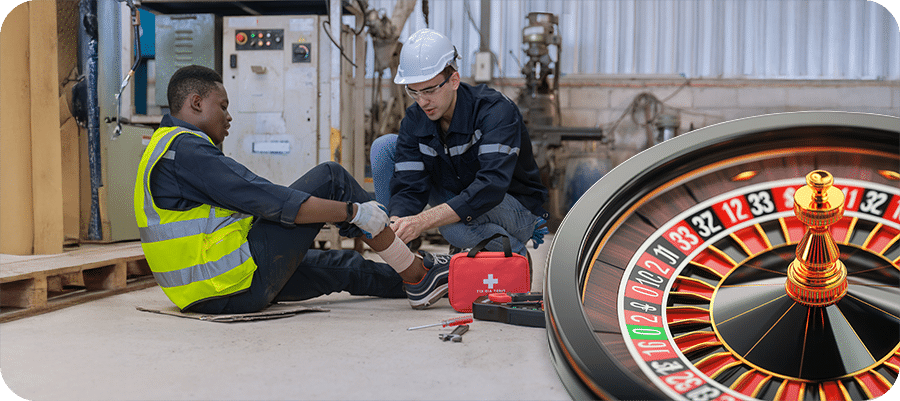
Home Blog Would You Bet Your Paycheck on Safety? That Need to Die By RDadiz Facebook LinkedIn Imagine this: At the end of every shift, you had to bet your entire paycheck that nobody on your crew got hurt. Would you do anything differently? Would you double-check your PPE? Would you remind a co-worker to use a harness? Would you take that extra second to secure a load or test a machine lockout? The truth is, whether you realize it or not, you are betting on safety every day. The stakes aren’t just money, they’re your health, your reputation, and your future. One bad decision, one shortcut, one ignored hazard, and you could lose everything. Safety is More Than a Rule, It’s a Wager Most people wouldn’t gamble their paycheck on pure luck. But every time someone skips a step, assumes a risk, or rushes a job, they’re rolling the dice. Sometimes they win, nothing happens. Other times? That bet costs them weeks of lost wages, medical bills, or a permanent injury. Think about it: A mechanic skips wearing gloves because “it’s just a quick fix.” That quick fix leads to stitches and time off work. A forklift operator speeds up to finish early. One wrong turn leads to a collision, and unemployment. A roofer skips fall protection “just for a second.” That second changes their life forever. Key Takeaways Lorem Ipsum is simply dummy text of the printing and typesetting industry. Lorem Ipsum has been the industry’s standard dummy text ever since the 1500s, when an unknown printer took a galley of type and scrambled it to make a type specimen book. It has survived not only five centuries, but also Lorem Ipsum is simply dummy text of the printing and typesetting industry. Lorem Ipsum has been the industry’s standard dummy text ever since the 1500s, when an unknown printer took a galley of type and scrambled it to make a type specimen book. It has survived not only five centuries, but also Lorem Ipsum is simply dummy text of the printing and typesetting industry. Lorem Ipsum has been the industry’s standard dummy text ever since the 1500s, when an unknown printer took a galley of type and scrambled it to make a type specimen book. It has survived not only five centuries, but also Lorem Ipsum is simply dummy text of the printing and typesetting industry. Lorem Ipsum has been the industry’s standard dummy text ever since the 1500s, when an unknown printer took a galley of type and scrambled it to make a type specimen book. It has survived not only five centuries, but also The House Always Wins Casinos are designed so that, over time, the house always wins. Unsafe work habits work the same way. Maybe you’ve skipped safety steps before and nothing happened. Maybe you’ve seen others take risks and walk away fine. That’s like winning a few hands in a row, it feels good, but the odds will catch up eventually. Complacency is the biggest con of all. The more times a worker gets away with a risk, the more confident they become in their luck. But luck runs out. And when it does, the price is steep. Related read: Do you own a business in the insurance industry? Check out how Artificial Intelligence is transforming the insurance industry. How to Play It Safe (and Win Every Time) 1. Be Smart Act like your paycheck depends on it. Because in many ways, it does. 2. Think Long-Term A shortcut might save five minutes, but an injury could cost five months. 3. Hold Each Other Accountable Safety isn’t a solo game. Watch out for your crew. Remind them that a mistake could cost them more than just pride. 4. Stay Sharp Keep safety top of mind. Refresh your training. Don’t let routine make you careless. 5. Call Out the Risks If something feels unsafe, stop. Speak up. Fix it before it becomes an accident. Make the Right Bet If you had to bet your paycheck on safety, you’d work smarter. You’d pay attention. You’d make sure nobody around you was cutting corners. You’d take safety seriously, because you’d have too much to lose. The reality? You already do. Every shift, every task, every decision is a bet. Make sure it’s one you can afford to win. Stay sharp. Stay safe. Because in this game, there’s no cashing out. Follow us! Stay up-to-date with the latest spotlight articles, podcasts, the SafetyNET Magazine, or our book on Leadership for Safety Excellence. All updates will be shared on our social channels, click below to follow us. Facebook Linkedin Related Articles All Posts #EmergencyPreparedness 2025 safety trends 360 Immersive 360immersive 6S Safety accident prevention accidental careers adjustable workstations adult education AI automation AI implementation AI in business AI in operations AI in Safety AI podcast AI strategy AI transformation Alberta safety courses Allan James Moore artificial intelligence asking for help audit findings audit readiness Audit Reporting automation in safety automation strategy avoidable injuries awareness Aztec Safety back strain BambooHR integration behavior-based safety Behavioral Safety behavioural safety biometric sensors BIS Podcast BIS Safety Podcasts BIS Safety Software BIS Safety Spotlight black holes Blame Culture BP Texas City Explosion Brave Leadership Brett Burkard burnout business automation Canadian OHS Canadian safety Canadian safety history Canadian safety standards carbon monoxide Carolynne Heron CCOHS chemical chemical vapors chronic injuries chronic pain cloud-based safety tools Coming Soon community safety programs Competency in Safety complacency in safety Compliance compliance courses Compliance In Canada compliance issues Compliance management Compliance Reporting compliance software compliance tools compliance tracking compliance training compliance vs protection Construction advocacy Construction education Construction industry construction safety construction safety training continuous improvement continuous safety improvement corporate culture corporate training corrective actions crane CSA standards Customer Spotlight Customer Spotlight Kevin Swinden Global Hazmat Safety Culture Hazmat Management Dangerous Goods Competency in Safety Workplace Risk Mitigation BIS Training Clients Canadian EHS customized training daily trip inspection Damage Prevention Dangerous Goods dangerous goods classification Danny Sellers
La sécurité rencontre la technologie
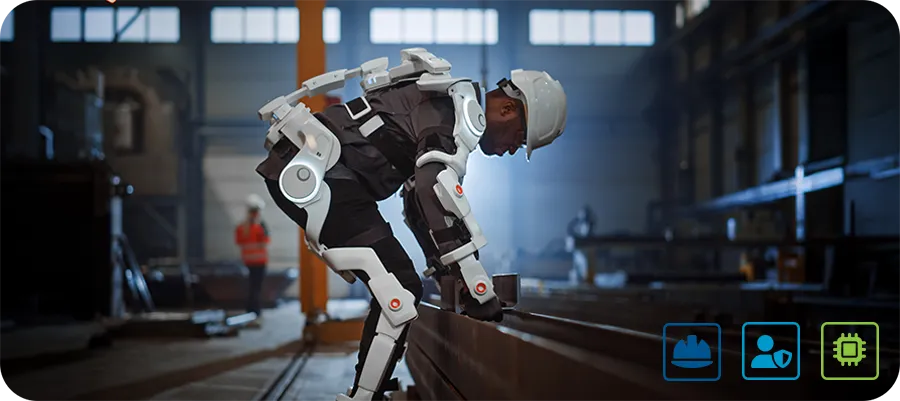
Accueil Blog Quand la sécurité rencontre la technologie L’évolution des dispositifs de sécurité portables Par DanAdminCAD Facebook LinkedIn La sécurité au travail évolue. La technologie change la donne. Les dispositifs portables sont à l’avant-garde, alliant technologie et fonctionnalité. Ils protègent les travailleurs, améliorent l’efficacité et réduisent les risques. Des casques intelligents aux capteurs biométriques, ces outils transforment les environnements à haut risque. Les entreprises qui investissent dans ces dispositifs construisent un avenir plus sûr et plus productif, améliorant à la fois le bien-être des employés et la réussite opérationnelle. À chaque avancée, ces dispositifs démontrent leur potentiel à redéfinir durablement la sécurité au travail. Bref historique des dispositifs de sécurité portables La sécurité portable n’est pas une nouveauté. Pendant des décennies, les travailleurs comptaient sur des casques, des gants et des lunettes de protection pour assurer leur sécurité. La technologie a changé la donne. Les premiers systèmes d’alerte, comme les alertes par vibration intégrées aux casques de mineurs, signalaient des dangers tels que l’effondrement de puits ou l’instabilité du terrain. Ces innovations ont ouvert la voie aux appareils sophistiqués d’aujourd’hui. Grâce à leurs capteurs, au GPS et aux données en temps réel, les appareils portables modernes sont bien plus que de simples équipements de protection : ce sont des outils indispensables à la sécurité au travail. Qu'il s'agisse d'alerter les travailleurs dans les zones dangereuses ou de collecter des données qui éclairent les stratégies de sécurité à long terme, les dispositifs portables ont beaucoup évolué. Le passage des alertes basiques à l’analyse prédictive témoigne d’un engagement croissant à réduire les risques et à protéger des vies. Types de dispositifs de sécurité portables Les appareils portables modernes traitent des dangers spécifiques avec précision et adaptabilité : Casques intelligents Équipés de la réalité augmentée (RA), ces casques détectent les fuites de gaz et les risques structurels. Ils fournissent des alertes instantanées et facilitent la communication sur les chantiers. Certains modèles intègrent l’imagerie thermique pour détecter des dangers cachés, tels que la surchauffe des machines ou les risques d’incendie. Des capteurs perfectionnés permettent désormais une maintenance prédictive, en signalant les défaillances potentielles avant qu’elles ne se produisent. Capteurs biométriques : ces appareils surveillent les signes vitaux tels que la fréquence cardiaque, l’hydratation et la température corporelle. Les modèles avancés analysent les niveaux de stress et alertent les travailleurs avant que la fatigue ne s’installe, prévenant ainsi les accidents dus à l’épuisement. Les capteurs peuvent désormais s’intégrer à des patchs portables qui surveillent l’hydratation en temps réel, offrant des recommandations de santé immédiates. Traceurs de localisation Les traceurs GPS localisent les travailleurs isolés et garantissent une intervention rapide en cas d’urgence. Les fonctionnalités de géorepérage avertissent les superviseurs lorsque les travailleurs pénètrent dans des zones réglementées, renforçant ainsi les protocoles du chantier. Une nouvelle connectivité multi-réseaux garantit que ces traceurs restent opérationnels même dans des zones reculées. Exosquelettes Conçus pour faciliter les tâches de levage, les exosquelettes réduisent les efforts et préviennent les blessures musculo-squelettiques. Ils améliorent l’endurance physique, permettant aux travailleurs d’effectuer des tâches répétitives en toute sécurité. Certains modèles sont désormais dotés d’une intelligence artificielle qui s’adapte aux mouvements des utilisateurs pour un soutien optimisé. Lunettes intelligentes : les superpositions en réalité augmentée permettent d’accéder en mode mains libres aux instructions et aux listes de contrôle de sécurité. Ces lunettes améliorent la précision et réduisent les temps d’arrêt en rationalisant les flux de travail. Les modèles avancés intègrent la commande vocale et la reconnaissance faciale, permettant une identification rapide des membres de l’équipe et un partage sécurisé des données. Capteurs environnementaux Ces appareils détectent les dangers présents dans l’air, tels que les gaz toxiques ou les particules, assurant une protection en temps réel dans des secteurs comme l’exploitation minière et l’industrie chimique. Les versions les plus récentes intègrent désormais des capteurs météorologiques, offrant des informations supplémentaires sur l’évolution des conditions susceptibles de présenter des risques. Points clés : Les appareils portables font évoluer la sécurité d’une approche réactive vers une approche proactive. Les données en temps réel et l’analyse prédictive permettent aux équipes de prévenir les accidents, et non plus seulement d’y réagir. Les meilleurs EPI sont désormais intelligents. Des casques de réalité augmentée aux capteurs biométriques, la technologie portable redéfinit ce que signifie être protégé au travail. La sécurité axée sur la technologie va bien au-delà de la simple conformité. Les entreprises qui investissent dans les appareils portables constatent des gains de productivité, des économies de coûts et une amélioration du moral des employés. L’avenir de la sécurité est connecté, personnalisé et toujours actif. Les appareils portables intelligents deviennent des outils essentiels pour créer des environnements de travail plus sûrs et plus intelligents. Les secteurs à la pointe de l’adoption des technologies portables Les secteurs à haut risque sont à l’avant-garde de l’adoption des appareils portables. L’importance qu’elles accordent à la sécurité et à l’efficacité fait des appareils portables des outils indispensables : Construction Les casques intelligents et les traceurs améliorent la sécurité sur les chantiers, en facilitant la circulation dans les zones encombrées ou dangereuses. En fournissant des informations en temps réel, ils réduisent le risque d’accidents. Les appareils portables s’intègrent également aux logiciels de gestion de projet, améliorant ainsi la coordination et l’efficacité. Pétrole et gaz : Les capteurs biométriques et les détecteurs de gaz protègent les travailleurs contre les expositions nocives. Les appareils portables garantissent également le respect des normes de sécurité dans des environnements où les enjeux sont élevés. Certains systèmes intègrent désormais une connectivité avec des drones, combinant ainsi la surveillance aérienne et le suivi par appareils portables. Industrie manufacturière : Les exosquelettes réduisent l’effort physique, tandis que les lunettes intelligentes optimisent les tâches de précision. Ces technologies améliorent la productivité tout en réduisant les accidents du travail. Les robots collaboratifs (cobots) s’associent désormais aux appareils portables pour des flux de travail fluides. Santé : les appareils portables surveillent le stress et la fatigue pendant les longues gardes, protégeant ainsi les professionnels de santé dans des environnements soumis à une forte pression. Des dispositifs tels que les moniteurs ECG portables préservent leur santé tout en améliorant les soins prodigués aux patients. L’intégration à des plateformes de télésanté garantit que les données en temps réel facilitent la prise de décision. Les moniteurs et traceurs miniers renforcent la sécurité dans les sites isolés et dangereux. Des systèmes avancés permettent de localiser et de secourir rapidement les mineurs en cas d’urgence. Associés à des réseaux de communication souterrains, ces outils garantissent une connectivité 24 h/24 et 7 j/7 dans des conditions difficiles. Avantages des technologies de sécurité portables 1. Surveillance en temps réel La collecte continue de données permet des réactions instantanées, prévenant ainsi les accidents avant qu’ils ne se produisent. Des tableaux de bord en direct centralisent ces données, fournissant aux superviseurs des informations exploitables. 2. Meilleure conformité : le suivi automatisé simplifie le respect des protocoles de sécurité, réduisant ainsi les erreurs manuelles. Les mises à jour réglementaires peuvent être transmises directement aux appareils portables, garantissant ainsi que les travailleurs restent informés. 3. Productivité améliorée : le soutien ergonomique minimise les blessures et la fatigue, ce qui renforce l’efficacité des travailleurs. Les appareils portables rationalisent également les flux de travail, permettant aux travailleurs de se concentrer sur leurs tâches sans interruption. 4. Réduction des coûts La prévention des incidents et la réduction des temps d’arrêt permettent aux entreprises de réaliser d’importantes économies. L’analyse prédictive réduit encore davantage les coûts en signalant les problèmes avant qu’ils ne s’aggravent. 5. Informations fondées sur les données Les appareils portables génèrent des données exploitables, permettant aux entreprises d’optimiser les mesures de sécurité et de prévoir les risques. Des algorithmes avancés analysent désormais les tendances des données pour améliorer les prévisions. 6. Engagement des employés : les employés se sentent plus en sécurité et davantage valorisés lorsqu’ils sont équipés d’un matériel de sécurité de pointe, ce qui favorise une culture d’entreprise positive. Les indicateurs de sécurité gamifiés sur les appareils portables encouragent davantage le respect des règles et les comportements proactifs. Défis et considérations : la confidentialité et la sécurité restent des préoccupations majeures. Les entreprises doivent protéger les données grâce au chiffrement, à un accès restreint et à des audits réguliers. Des politiques transparentes contribuent à renforcer la confiance des employés, en leur permettant de comprendre comment leurs données sont utilisées. La formation est également essentielle pour garantir une intégration sans heurts. Les appareils portables doivent allier fonctionnalité et confort, afin que les employés les adoptent volontiers. Les entreprises doivent également se pencher sur l’interopérabilité des appareils pour intégrer de manière transparente les appareils portables aux systèmes existants. L’avenir des appareils de sécurité portables Les appareils portables ne cesseront de s’améliorer. Progrès
Make Your Incident Data Work For You
Home Blog Make Your Incident Data Work For You Turn Numbers into Actionable Insights By DanAdminCAD Facebook LinkedIn Every workplace safety program generates incident data, but not all organizations know how to make the most of it. Incident reports, near-miss logs, and safety observations provide more than just numbers, they reveal patterns, highlight risks, and offer a roadmap for improvement. The challenge lies in translating this raw data into clear, actionable insights that drive meaningful change. Without the right strategies, data can remain an untapped resource, leaving organizations reactive instead of proactive. This guide explores how to analyze incident data effectively, identify trends, and use those insights to enhance workplace safety. Why Incident Data Matters Incident data isn’t just a record of what’s gone wrong, it’s a tool for understanding the “why” behind workplace risks. Every report contains valuable information about hazards, behaviors, and system failures that contribute to incidents. When analyzed effectively, this data helps organizations: Identify Patterns Highlight recurring risks and pinpoint high-risk areas, equipment, or processes. Drive Preventive Measures Use trends to implement targeted safety improvements before incidents escalate. Support Compliance Provide documentation that demonstrates a proactive approach to safety during audits. Boost Accountability Show clear links between safety initiatives and outcomes, reinforcing a culture of responsibility. By leveraging incident data, safety managers can shift from reacting to problems to preventing them entirely. Step 1: Collect Consistent, High-Quality Data The foundation of actionable insights is reliable data. Inconsistent or incomplete incident reporting undermines your ability to draw meaningful conclusions. Standardized Reporting Forms Ensure every incident report includes key details such as date, time, location, individuals involved, and a clear description of the event. Encourage Near-Miss Reporting Near-misses are early warning signs of potential hazards. Make it easy and non-punitive for employees to report them. Use Mobile Tools Digital reporting systems streamline data collection and reduce errors compared to paper-based processes.Case Study: A logistics company implemented a mobile app for near-miss reporting. Within six months, reports increased by 40%, uncovering trends related to poorly marked loading zones. Addressing these issues reduced incidents by 25% the following quarter. Step 2: Centralize and Organize Your Data Scattered data creates blind spots. Consolidating all incident reports, safety observations, and inspection logs into a centralized system ensures nothing slips through the cracks. How to Centralize Effectively Use Safety Management Software Platforms designed for workplace safety consolidate data into a single dashboard, making it easy to analyze trends. Tag and Categorize Data Organize reports by type, location, equipment, or contributing factors to identify recurring issues. Integrate With Existing Systems Ensure your safety software connects with HR, maintenance, and compliance platforms to provide a comprehensive view. Pro Tip: Regularly review your data for completeness and consistency. Missing or inaccurate information can skew results and lead to flawed conclusions. Step 3: Analyze for Patterns and Trends Once your data is centralized, the next step is to identify patterns that point to underlying risks. Look for clusters of similar incidents or recurring hazards across locations. What to Look For Recurring Equipment Failures Are specific machines or tools involved in multiple incidents? Time-Based Trends Do incidents spike during certain shifts or seasons? Location-Specific Risks Are certain areas of your facility more prone to hazards?Example in Action: A manufacturing plant noticed a pattern of injuries involving workers replacing conveyor belts during peak shifts. The analysis revealed that time pressures led to shortcuts in safety procedures. By scheduling maintenance during slower periods and providing additional training, the company reduced injuries by 30%. Step 4: Translate Insights Into Actionable Changes Data is only as valuable as the actions it inspires. Once trends are identified, use them to implement targeted improvements. Strategies for Acting on Insights Revise Policies Update safety protocols to address identified risks, such as enhanced procedures for high-risk tasks. Targeted Training Provide specific training sessions based on the most common incident types or contributing factors. Engineering Controls Modify equipment, tools, or workspaces to eliminate hazards entirely. Case Study: A construction company analyzed incident reports and found that ladder-related falls were a recurring issue. They introduced new ladder inspection protocols, provided hands-on training, and replaced aging equipment. The result? A 50% decrease in ladder-related injuries within a year. Step 5: Share Insights With Your Team Transparency is key to fostering a safety-first culture. Sharing insights from incident data helps employees understand risks and reinforces their role in creating a safer workplace. How to Communicate Effectively Visual Dashboards Use charts, graphs, and heatmaps to make data easy to understand. Regular Safety Meetings Discuss trends and progress during team huddles or monthly safety reviews. Highlight Successes Celebrate reductions in incidents or near-misses to keep morale high and motivate continued participation.Pro Tip: Frame discussions around “how we can improve” rather than assigning blame. A solutions-focused approach encourages openness and collaboration. Step 6: Monitor and Measure Results Implementing changes is only part of the process. Continuously monitoring outcomes ensures your actions are effective and helps refine your approach over time. Metrics to Track Incident Reduction Are reported incidents decreasing after implementing changes? Employee Engagement Are workers participating more actively in reporting and training? Audit Performance Has compliance improved during inspections or audits?Example in Action: After a healthcare facility introduced monthly safety meetings and revamped reporting protocols, they saw a 20% reduction in patient-handling injuries within six months. Tracking these metrics highlighted the direct impact of their efforts. How Technology Enhances the Process Modern safety management software is an invaluable tool for turning data into actionable insights. Automation and analytics features simplify every step of the process, from data collection to trend analysis. Key Features to Look For Real-Time Reporting Capture incidents and near-misses instantly with mobile tools. Automated Analytics Generate reports that highlight patterns and trends without manual effort. Customizable Dashboards Visualize data in a way that’s meaningful to your organization’s goals. Pro Tip: Choose software that integrates seamlessly with existing systems, ensuring all relevant data flows into a single platform. The Bottom Line: Turn Data Into Action Incident data is
Top 10 Red Flags in Safety Audits

Home Blog Top 10 Red Flags in Safety Audits How to Avoid Them By RDadiz Facebook LinkedIn Safety audits are essential for ensuring workplace compliance and protecting employees. They bring to light the weak points in a safety program and provide actionable insights for improvement. However, common issues can derail audits, leading to penalties, operational disruptions, or worse, preventable incidents. Avoiding these pitfalls doesn’t require perfection. It requires preparation, follow-through, and attention to detail. Here are ten common red flags auditors encounter and practical ways to address them. 1. Disorganized or Missing Documentation The Issue: Incident reports, inspection logs, or training records are incomplete, outdated, or hard to locate. Why It Matters: Documentation is the backbone of safety compliance. Gaps in records raise questions about whether processes are being followed consistently. How to Address It: Store all safety-related documents in a centralized system, whether digital or physical. Automate reminders for updates to keep records current and ensure they’re easily accessible during an audit. 2. Training Records That Don’t Measure Up The Issue: Employees have incomplete or outdated safety training records, including missed refresher courses. Why It Matters: Training equips workers with the knowledge to manage risks effectively. Inadequate records suggest that critical skills and safety protocols may not be properly reinforced. How to Address It: Use a Learning Management System (LMS) to track training participation and completion. Schedule refresher courses at regular intervals and focus on high-risk roles to ensure readiness across the workforce. Key Takeaways Safety audits reveal your culture, not just your compliance. Messy records and repeat hazards tell a story. Make sure it’s the right one. Proactive systems prevent red flags. From training logs to maintenance checks, automation and structure are your best friends. Leadership sets the tone. When safety isn’t a top-down priority, it shows, and so do the risks. Follow-through is everything. A strong audit isn’t just about finding issues, it’s about proving you’re fixing them. 3. Incomplete Equipment Maintenance Logs The Issue: Maintenance records for machinery or equipment are inconsistent or nonexistent. Why It Matters: Poorly maintained equipment increases the likelihood of accidents and signals a lack of proactive risk management. How to Address It: Implement a maintenance tracking system to log inspections and repairs. Set up automated reminders for routine checks to prevent lapses and ensure that every piece of equipment is safe to operate. 4. Lack of Reporting for Near-Misses The Issue: Near-miss incidents are rarely reported or poorly documented. Why It Matters: Near-misses provide a critical opportunity to address hazards before they escalate into injuries. A lack of reporting indicates potential blind spotsin risk identification. How to Address It: Create a non-punitive reporting system that makes it easy for employees to flag near-misses. Mobile tools or simple forms can streamline the process and encourage participation. 5. PPE Non-Compliance The Issue: Employees are either not wearing or improperly using personal protective equipment (PPE). Why It Matters: Consistent PPE usage is fundamental to workplace safety. Visible lapses undermine compliance efforts and put workers at unnecessary risk. How to Address It: Conduct regular safety observations to verify PPE use and reinforce training on proper practices. Signage in high-risk areas can also serve as a visual reminder. 6. Emergency Plans That Are Outdated or Unpracticed The Issue: Emergency response plans are outdated, incomplete, or haven’t been tested with drills. Why It Matters: An unclear or untested plan can lead to confusion during emergencies, putting workers and operations at greater risk. How to Address It: Review and update emergency plans annually. Conduct drills to test preparedness and ensure employees understand their roles and responsibilities during a crisis. 7. Hazards That Keep Reappearing The Issue: Recurring issues identified in previous audits remain unresolved. Why It Matters: Repeated hazards suggest a lack of accountability and undermine trust in the safety program. How to Address It: Treat audit findings as action items with clear deadlines and responsibilities. Regularly track progress to ensure corrective actions are completed and prevent recurring issues. 8. Disengaged Leadership The Issue: Managers and leadership are absent from safety initiatives or minimally involved in audits. Why It Matters: Leadership involvement is critical for reinforcing a culture of safety. A lack of engagement sends a message that safety isn’t a priority. How to Address It: Involve leaders in safety meetings, audits, and training sessions. Make safety metrics a regular part of leadership reviews to keep it on the agenda and emphasize its importance. 9. Poor Communication of Safety Updates The Issue: Safety updates, protocols, or audit findings aren’t consistently shared with employees. Why It Matters: Gaps in communication lead to confusion, reduced compliance, and repeated issues that could have been avoided with better transparency. How to Address It: Develop a clear communication strategy for all safety updates. Use multiple channels like email, team meetings, and digital dashboards to ensure every employee stays informed. Safety software can track acknowledgment to verify employees receive critical information. 10. Neglected Audit Follow-Ups The Issue: Recommendations from previous audits are not implemented or tracked. Why It Matters: Ignoring audit findings demonstrates a lack of commitment to improving safety processes and creates repeated vulnerabilities. How to Address It: Turn audit recommendations into actionable plans. Assign accountability for each task, set deadlines, and track progress until every item is resolved. How Safety Software Helps You Stay Ahead Preparing for audits doesn’t have to be an overwhelming task. Safety management software simplifies the process by automating key compliance requirements and centralizing data. Key Features to Look For: Centralized Dashboards: Consolidate all safety data for quick access during audits. Automated Alerts: Stay on top of training, inspections, and maintenance schedules. Audit-Ready Reporting: Generate detailed reports that meet compliance standards with minimal effort. The Bottom Line: Audit Preparation Simplified Safety audits are opportunities to demonstrate your organization’s dedication to protecting employees and maintaining compliance. Avoiding common red flags requires consistent follow-through, organized documentation, and proactive leadership. By addressing these issues and leveraging the right tools, you can streamline the audit process, improve safety outcomes, and build
Shortcuts Kill
Home Blog Shortcuts Kill The Hidden Cost of Rushing Through Safety By RDadiz Facebook LinkedIn Shortcuts save time, until they don’t. A missing hard hat. A skipped lockout. A harness left unclipped. One bad decision can change everything. Workers take risks when they think nothing will go wrong. Until it does. And when it does, it’s fast. Sudden. Unforgiving. One moment of carelessness can lead to an injury, a shutdown, or a life-changing disaster. The Danger of Cutting Corners Rushing feels efficient. Deadlines press. Supervisors push for speed. But cutting corners doesn’t just shave minutes, it adds risk. Skipping safety steps turns small hazards into major injuries. The more often workers take shortcuts, the more comfortable they get with risk. They stop seeing the danger. Until it’s too late. A missed PPE check – One forgotten glove leads to a lost finger. A rushed equipment inspection – A worn cable snaps under pressure. Ignoring proper lifting technique – A split-second strain causes years of back pain. Skipping lockout/tagout – A machine restarts with someone still inside. Rushing through confined space protocols – One bad reading, and toxic gases take a life. Shortcuts threaten everyone. They cost companies millions in lost productivity, compensation claims, and lawsuits. A rushed job today can shut down a whole operation tomorrow. And when tragedy strikes, it’s not about money. It’s about lives changed forever. Families devastated. Reputations ruined. Why Workers Take Risks Pressure to Perform – Speed over safety. When deadlines loom, safety steps feel like obstacles. Overconfidence – Workers trust experience over protocol. They think they know better, until they don’t. Bad Habits – Cutting corners becomes routine. The more it happens, the more normal it seems. Lack of Accountability – If no one enforces safety, workers assume it doesn’t matter. Peer Influence – If everyone else skips steps, new workers follow suit. Fatigue and Stress – Tired workers make poor decisions. The exhausted brain values speed over caution. The Ripple Effect of One Shortcut A single shortcut spreads. A rushed inspection today leads to faulty equipment tomorrow. A minor slip-up turns into a major incident. One unsafe act signals to others that safety is flexible. It erodes the entire safety culture, bit by bit, until disaster is inevitable. Related read: Do you own a business in the insurance industry? Check out how Artificial Intelligence is transforming the insurance industry. How to Stop the Shortcut Mindset Safety isn’t a box to check. It’s a mindset. A culture. Here’s how to stop the “just this once” mentality before it turns deadly: Slow Down – Safety takes seconds. Recovery takes months. Reinforce that no deadline is worth an injury. Reinforce Training – Keep safety top-of-mind with regular refreshers. Make it stick with real-world examples. Encourage Reporting – If workers see shortcuts happening, they should speak up, without fear of punishment. Hold Everyone Accountable – From the top down, safety is non-negotiable. No exceptions. Reward Safe Behavior – Recognize workers who take the time to do things right. Reinforce that safety matters more than speed. Use Real Consequences – Don’t just warn about risks. Show examples. Videos. Stories. Accidents that could have been prevented. Supervisors Must Lead – Leaders who enforce shortcuts set a dangerous precedent. Safety starts at the top. The Bottom Line A shortcut isn’t just a time-saver. It’s a risk multiplier. One bad decision can cost a life. The safest worker isn’t the fastest, it’s the one who makes it home. Every. Single. Day. Because safety isn’t about slowing work down. It’s about making sure work never stops because of an avoidable tragedy. Follow us! Stay up-to-date with the latest spotlight articles, podcasts, the SafetyNET Magazine, or our book on Leadership for Safety Excellence. All updates will be shared on our social channels, click below to follow us. Facebook Linkedin Related Articles All Posts #EmergencyPreparedness 2025 safety trends 360 Immersive 360immersive 6S Safety accident prevention accidental careers adjustable workstations adult education AI automation AI implementation AI in business AI in operations AI in Safety AI podcast AI strategy AI transformation Alberta safety courses Allan James Moore artificial intelligence asking for help audit findings audit readiness Audit Reporting automation in safety automation strategy avoidable injuries awareness Aztec Safety back strain BambooHR integration behavior-based safety Behavioral Safety behavioural safety biometric sensors BIS Podcast BIS Safety Podcasts BIS Safety Software BIS Safety Spotlight black holes Blame Culture BP Texas City Explosion Brave Leadership Brett Burkard burnout business automation Canadian OHS Canadian safety Canadian safety history Canadian safety standards carbon monoxide Carolynne Heron CCOHS chemical chemical vapors chronic injuries chronic pain cloud-based safety tools Coming Soon community safety programs Competency in Safety complacency in safety Compliance compliance courses Compliance In Canada compliance issues Compliance management Compliance Reporting compliance software compliance tools compliance tracking compliance training compliance vs protection Construction advocacy Construction education Construction industry construction safety construction safety training continuous improvement continuous safety improvement corporate culture corporate training corrective actions crane CSA standards Customer Spotlight Customer Spotlight Kevin Swinden Global Hazmat Safety Culture Hazmat Management Dangerous Goods Competency in Safety Workplace Risk Mitigation BIS Training Clients Canadian EHS customized training daily trip inspection Damage Prevention Dangerous Goods dangerous goods classification Danny Sellers data-driven safety Decision Analysis defect management defect tracking defensive driving DEI in onboarding digital compliance digital forms Digital Hazard Reporting Digital Onboarding digital safety Digital Safety Audits Digital safety systems digital safety tools digital safety transformation Digital Training Tools digital transformation DMS features document control document management system Dr. Joanna Pagonis Dr. Tom Krause driver file management driver training driving instructor program DTRMS e-learning e-learning tools eadership in safety early intervention education technology EHS EHS Adoption EHS Compliance EHS digital solutions EHS Inspections EHS Onboarding EHS software EHS systems EHS tools Einstein electrical safety Emergency Action Plan emergency preparedness emergency response emergency supplies emotional training employee behavior employee engagement employee health Employee onboarding Employee Readiness employee safety employee training Energy Isolation ergonomic consulting ergonomic design ergonomic risks ergonomics Evacuation Procedures evidence collection EWI Works exoskeleton