Passer au contenu principal

Logiciel BIS Sécurité Canada

  • Accueil
  • Blogue
  • Mehmet Baha rend la sécurité psychologique intelligente et urgente
Mehmet Baha is Making Psychological Safety Smart and Urgent
Facebook
LinkedIn
A team participating in a workplace meeting, demonstrating trust and a sense of psychological safety

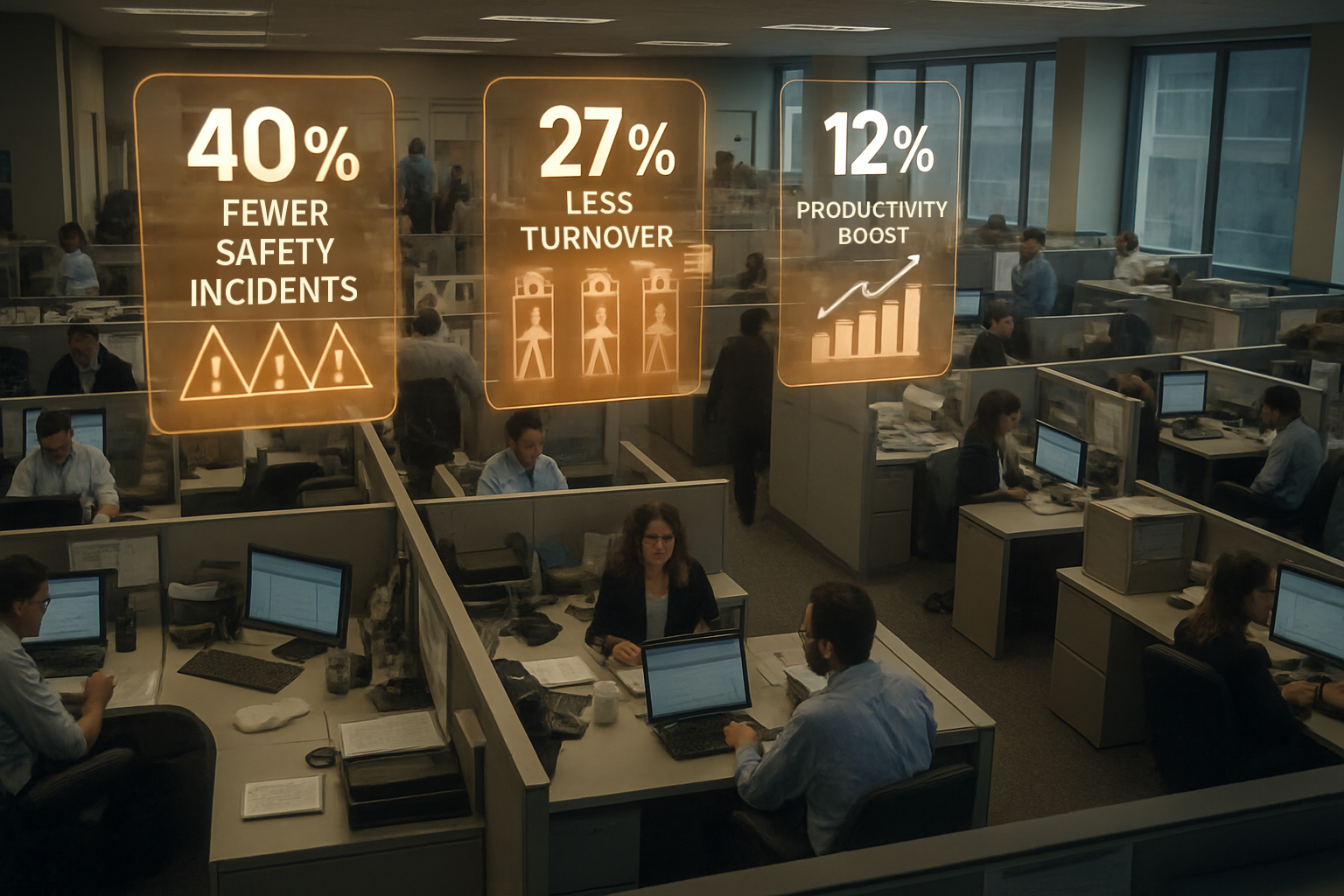
40% fewer safety incidents. 27% less turnover. A 12% boost in productivity. Those are the numbers behind one of the most powerful culture shifts in modern workplaces: sécurité psychologique. And if that phrase still sounds like a buzzword to you, you haven’t heard Mehmet Baha explain it.

Baha’s journey took him from Cyprus to the United Nations, Facebook, and boardrooms around the world. But his mission has always been the same: helping people work together better. And he’s learned something critical along the way, performance starts with safety. Not just physical safety, but the kind where people feel free to speak, stumble, and share what matters most.

What It Really Means to Be Safe at Work

Psychological safety means employees feel secure enough to express concerns, ask questions, admit mistakes, and offer ideas without fear of blame or ridicule. “It’s everyone’s responsibility,” says Baha. “But it starts with leadership.” That’s not just philosophy, it’s strategy. Because when opinions are valued, workplaces thrive: turnover drops, accidents decline, and people step into their full potential.

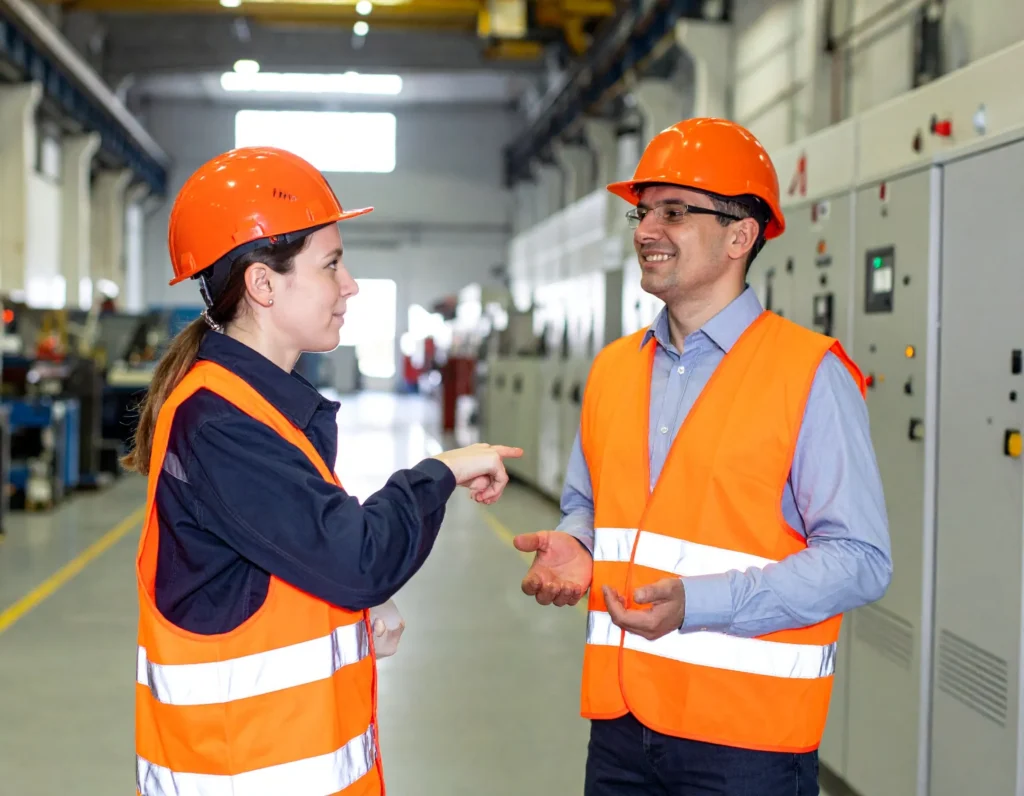
Two team members engaging in a candid conversation at a facility, reflecting a culture of trust and psychological safety.

The Leaders Who Get It (And the Ones Who Don’t)

Culture change takes work. Some leaders see that and shy away. But the ones who lean in? They unlock something incredible. Baha points to the transformation of DBS Bank in Singapore, a company once bogged down in red tape. Under visionary leadership, they reimagined themselves as a tech first organization, not a legacy bank. The result? A culture where 92% of employees now feel safe to speak up and business is booming.

Mistakes Are Inevitable. Blame Doesn’t Have to Be

Here’s where most companies go wrong: they equate accountability with punishment. Baha flips that script with a practical framework that categorizes four types of mistakes from the unacceptable to the innovative. Only one warrants discipline. The others? They’re learning opportunities waiting to be harnessed. And in safety-sensitive industries, that shift is everything. Because when people fear speaking up, hazards go unreported. Lessons go unlearned.

This Isn’t About Being Nice. It’s About Being Better

You don’t build high-performing teams by avoiding hard truths, you build them by creating space where hard truths can be safely shared. That means trust. Vulnerability. Clarity. And yes, small things matter. A quick check-in. A handwritten note. A leader who models humility. “Strong teams focus on relationships as much as results,” Baha says. “Weak teams don’t”.

Employees working in an office environment, reflecting how psychological safety leads to higher productivity and reduced safety risks.

The Future Is Human (Even in the Age of AI)

As AI accelerates, the value of human connection rises. Baha shares the story of two companies faced with layoffs, one used a pre-recorded video to deliver the news. The other offered apologies, face to face conversations, and lifetime alumni email accounts. Guess which one employees respected? The takeaway is clear: technology might optimize tasks. But only humanity builds trust.

So, Is Your Culture Built for Growth?

If psychological safety still feels like “nice to have,” think again. It’s the backbone of safety, innovation, and retention. The next chapter of your culture could start with one question: Do people here feel safe to speak up? If the answer’s no, the good news is, you can change it. And there’s no better time to start.

Suivez-nous !

Restez à jour avec les derniers articles phares, podcasts, le magazine SafetyNET ou notre livre sur le leadership pour l'excellence en matière de sécurité. Toutes les mises à jour seront partagées sur nos réseaux sociaux, cliquez ci-dessous pour nous suivre.