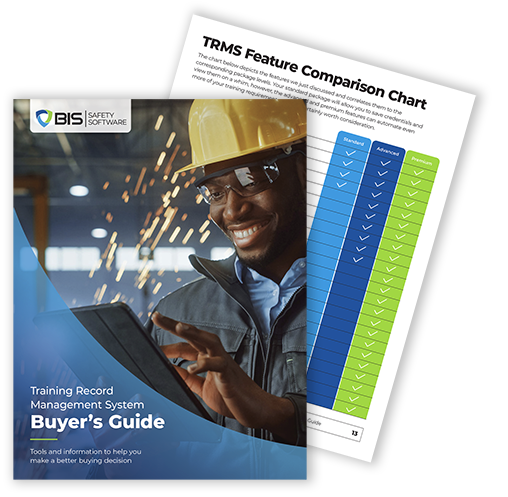
Top 10 Red Flags in Safety Audits

Home Blog Top 10 Red Flags in Safety Audits How to Avoid Them By RDadiz Facebook LinkedIn Safety audits are essential for ensuring workplace compliance and protecting employees. They bring to light the weak points in a safety program and provide actionable insights for improvement. However, common issues can derail audits, leading to penalties, operational disruptions, or worse, preventable incidents. Avoiding these pitfalls doesn’t require perfection. It requires preparation, follow-through, and attention to detail. Here are ten common red flags auditors encounter and practical ways to address them. 1. Disorganized or Missing Documentation The Issue: Incident reports, inspection logs, or training records are incomplete, outdated, or hard to locate. Why It Matters: Documentation is the backbone of safety compliance. Gaps in records raise questions about whether processes are being followed consistently. How to Address It: Store all safety-related documents in a centralized system, whether digital or physical. Automate reminders for updates to keep records current and ensure they’re easily accessible during an audit. 2. Training Records That Don’t Measure Up The Issue: Employees have incomplete or outdated safety training records, including missed refresher courses. Why It Matters: Training equips workers with the knowledge to manage risks effectively. Inadequate records suggest that critical skills and safety protocols may not be properly reinforced. How to Address It: Use a Learning Management System (LMS) to track training participation and completion. Schedule refresher courses at regular intervals and focus on high-risk roles to ensure readiness across the workforce. Key Takeaways Safety audits reveal your culture, not just your compliance. Messy records and repeat hazards tell a story. Make sure it’s the right one. Proactive systems prevent red flags. From training logs to maintenance checks, automation and structure are your best friends. Leadership sets the tone. When safety isn’t a top-down priority, it shows, and so do the risks. Follow-through is everything. A strong audit isn’t just about finding issues, it’s about proving you’re fixing them. 3. Incomplete Equipment Maintenance Logs The Issue: Maintenance records for machinery or equipment are inconsistent or nonexistent. Why It Matters: Poorly maintained equipment increases the likelihood of accidents and signals a lack of proactive risk management. How to Address It: Implement a maintenance tracking system to log inspections and repairs. Set up automated reminders for routine checks to prevent lapses and ensure that every piece of equipment is safe to operate. 4. Lack of Reporting for Near-Misses The Issue: Near-miss incidents are rarely reported or poorly documented. Why It Matters: Near-misses provide a critical opportunity to address hazards before they escalate into injuries. A lack of reporting indicates potential blind spotsin risk identification. How to Address It: Create a non-punitive reporting system that makes it easy for employees to flag near-misses. Mobile tools or simple forms can streamline the process and encourage participation. 5. PPE Non-Compliance The Issue: Employees are either not wearing or improperly using personal protective equipment (PPE). Why It Matters: Consistent PPE usage is fundamental to workplace safety. Visible lapses undermine compliance efforts and put workers at unnecessary risk. How to Address It: Conduct regular safety observations to verify PPE use and reinforce training on proper practices. Signage in high-risk areas can also serve as a visual reminder. 6. Emergency Plans That Are Outdated or Unpracticed The Issue: Emergency response plans are outdated, incomplete, or haven’t been tested with drills. Why It Matters: An unclear or untested plan can lead to confusion during emergencies, putting workers and operations at greater risk. How to Address It: Review and update emergency plans annually. Conduct drills to test preparedness and ensure employees understand their roles and responsibilities during a crisis. 7. Hazards That Keep Reappearing The Issue: Recurring issues identified in previous audits remain unresolved. Why It Matters: Repeated hazards suggest a lack of accountability and undermine trust in the safety program. How to Address It: Treat audit findings as action items with clear deadlines and responsibilities. Regularly track progress to ensure corrective actions are completed and prevent recurring issues. 8. Disengaged Leadership The Issue: Managers and leadership are absent from safety initiatives or minimally involved in audits. Why It Matters: Leadership involvement is critical for reinforcing a culture of safety. A lack of engagement sends a message that safety isn’t a priority. How to Address It: Involve leaders in safety meetings, audits, and training sessions. Make safety metrics a regular part of leadership reviews to keep it on the agenda and emphasize its importance. 9. Poor Communication of Safety Updates The Issue: Safety updates, protocols, or audit findings aren’t consistently shared with employees. Why It Matters: Gaps in communication lead to confusion, reduced compliance, and repeated issues that could have been avoided with better transparency. How to Address It: Develop a clear communication strategy for all safety updates. Use multiple channels like email, team meetings, and digital dashboards to ensure every employee stays informed. Safety software can track acknowledgment to verify employees receive critical information. 10. Neglected Audit Follow-Ups The Issue: Recommendations from previous audits are not implemented or tracked. Why It Matters: Ignoring audit findings demonstrates a lack of commitment to improving safety processes and creates repeated vulnerabilities. How to Address It: Turn audit recommendations into actionable plans. Assign accountability for each task, set deadlines, and track progress until every item is resolved. How Safety Software Helps You Stay Ahead Preparing for audits doesn’t have to be an overwhelming task. Safety management software simplifies the process by automating key compliance requirements and centralizing data. Key Features to Look For: Centralized Dashboards: Consolidate all safety data for quick access during audits. Automated Alerts: Stay on top of training, inspections, and maintenance schedules. Audit-Ready Reporting: Generate detailed reports that meet compliance standards with minimal effort. The Bottom Line: Audit Preparation Simplified Safety audits are opportunities to demonstrate your organization’s dedication to protecting employees and maintaining compliance. Avoiding common red flags requires consistent follow-through, organized documentation, and proactive leadership. By addressing these issues and leveraging the right tools, you can streamline the audit process, improve safety outcomes, and build
10 Tips for Building a Strong Safety Culture
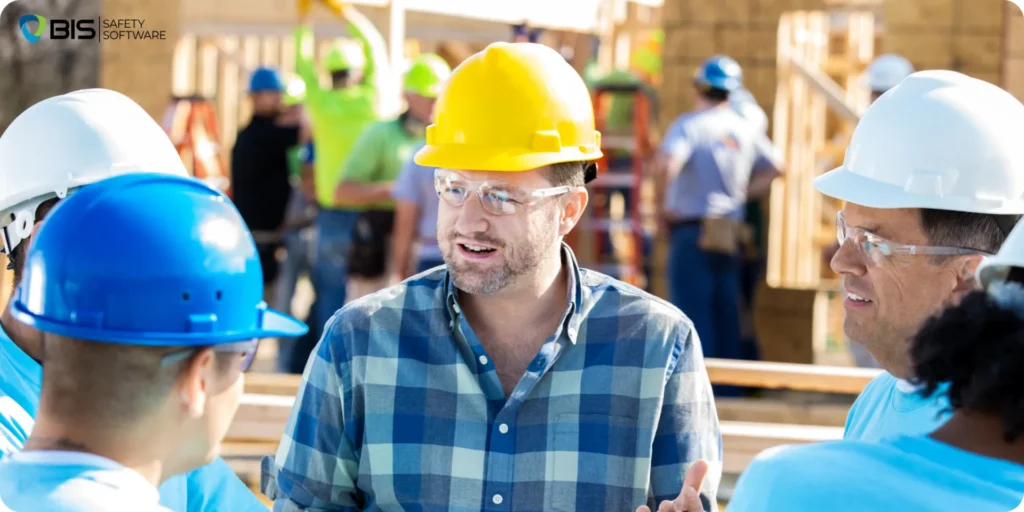
Home Blog 10 Tips for Building a Strong Safety Culture Keep safety practical and punchy! By RDadiz Facebook LinkedIn Creating a strong safety culture takes effort, but the rewards, fewer injuries, lower costs, and a more engaged workforce, are well worth it. Organizations that successfully build a culture of safety don’t just reduce accidents; they improve morale, efficiency, and even profitability. Here are ten essential strategies to strengthen workplace safety: 1. Be Willing to Make Sacrifices Transforming a weak safety culture into a strong one isn’t always easy. It requires hard decisions and, in some cases, a willingness to part ways with employees who refuse to comply. Ted Lane, an Occupational Health and Safety Officer, recalls a major Alberta construction company that implemented a zero-tolerance safety policy. Initially, they lost workers who resisted the new approach, but within a few years, they rebuilt with employees who valued safety. The result? A safer, more efficient, and ultimately more profitable company. 2. Engage Employees in Safety Decisions Many safety policies fail because they are imposed without input from the employees they affect. Workers on the frontlines know the risks better than anyone else, so including them in safety discussions leads to more practical, effective solutions. “We promote the guys to do some of the things in their own way,” says Darryl Chipman, Director for CASCA. “Recently, a worker suggested using pictures instead of a long written form for safety reports. It made things easier, faster, and more effective.” 3. Encourage Candor and Open Communication Employees need to feel safe speaking up about unsafe conditions or behaviors. In organizations with strong safety cultures, workers are encouraged, not punished, for raising concerns. Ted Lane has a unique way of testing this: “I’ll walk into a site missing a piece of safety gear. If a worker stops me and says, ‘Hey, get that fixed,’ I know that company’s culture is working.” 4. Lead by Example Leadership must consistently demonstrate their commitment to safety. When managers follow safety protocols, employees are far more likely to do the same. Patrick Cantner, HSE Director of Willbros Canada, advises, “If you say safety comes first, but then reward employees who cut corners to meet deadlines, your safety culture will collapse.” 5. Promote Transparency An open approach to safety builds trust and accountability. Some companies publicly share their safety records and improvement efforts to reinforce the importance of workplace safety. Kinder Morgan sets a high standard by posting safety reports, including injury rates and incidents, on its public website. This level of transparency keeps employees and leadership accountable. 6. Empower Employees to Act Workers must feel confident in stopping unsafe work without fear of retaliation. When employees know they have the authority to halt operations for safety concerns, they become active participants in maintaining a secure workplace. “Our control center operators don’t need approval to shut down a pipeline if they feel there’s an unsafe condition,” says Dan Carter, Director of the Central Region & Control Centre for Kinder Morgan. “That’s built into our procedures.” 7. Make Safety Personal People are more likely to follow safety procedures if they understand the personal impact. Sharon Cole, OHS Consultant for Alberta Gaming and Liquor Corporation, changed a skeptical worker’s attitude by asking him to imagine how he’d feel if his best friend got hurt on the job because he didn’t speak up. That moment of personal connection turned him into one of the most safety-conscious employees on the site. 8. Keep Safety Communication Frequent Safety isn’t a one-time conversation, it’s an ongoing discussion. Monthly safety updates, toolbox talks, and bulletin boards help reinforce key messages. Adam Czarnecki, Human Resource Manager for Great West Kenworth, recommends using statistics to keep employees engaged: “Send out reports on injury trends. Show workers the progress being made.” 9. Recognize and Reward Safe Behavior Positive reinforcement plays a critical role in fostering safety. However, rewards should focus on long-term commitment rather than quick incentives that might encourage underreporting of incidents. Chipman explains, “We offer training and career advancement to employees who prioritize safety. When new safety positions open, we promote from within.” 10. Start With Yourself Safety culture begins with individuals taking personal responsibility. It’s easy to point fingers at management or coworkers, but real change starts when every employee commits to prioritizing safety in their own work. The Real Bottom Line When safety is embedded in an organization’s culture, it doesn’t just prevent accidents, it improves efficiency, morale, and trust. Strong safety cultures don’t develop overnight, but with commitment, consistency, and leadership, they become an essential part of the workplace. The key takeaway? Safety isn’t just a policy, it’s a mindset, and it starts with you. Follow us! Stay up-to-date with the latest spotlight articles, podcasts, the SafetyNET Magazine, or our book on Leadership for Safety Excellence. All updates will be shared on our social channels, click below to follow us. Facebook Linkedin Related Articles All Posts #EmergencyPreparedness 2025 safety trends 360 Immersive 360immersive 6S Safety accident prevention accidental careers adjustable workstations adult education AI automation AI implementation AI in business AI in operations AI in Safety AI podcast AI strategy AI transformation Alberta safety courses Allan James Moore artificial intelligence asking for help audit findings audit readiness Audit Reporting automation in safety automation strategy avoidable injuries awareness Aztec Safety back strain BambooHR integration behavior-based safety Behavioral Safety behavioural safety biometric sensors BIS Podcast BIS Safety Podcasts BIS Safety Software BIS Safety Spotlight black holes Blame Culture BP Texas City Explosion Brave Leadership Brett Burkard burnout business automation Canadian OHS Canadian safety Canadian safety history Canadian safety standards carbon monoxide Carolynne Heron CCOHS chemical chemical vapors chronic injuries chronic pain cloud-based safety tools Coming Soon community safety programs Competency in Safety complacency in safety Compliance compliance courses Compliance In Canada compliance issues Compliance management Compliance Reporting compliance software compliance tools compliance tracking compliance training compliance vs protection Construction advocacy Construction education Construction industry construction safety construction safety training continuous improvement continuous safety improvement corporate culture
NRCA – An Authorized BIS Partner

Home BIS Partners NRCA – An Authorized BIS Partner By DanAdminCAD Facebook LinkedIn The Northern Regional Construction Association (NRCA) is an industrial, commercial, and institutional sector association serving 120 members across northern British Columbia. As a key advocate for the construction industry in the region, NRCA provides education, training, and support to ensure that its members can build safer and more efficiently. One of NRCA’s primary pillars is education, which is why the association has prioritized partnerships with organizations like BIS Safety Software. “One of our big pillars is education, and partnering with BIS allows us to provide members with safety courses that are accessible when they need them.” Kayla Hearn Manager, Operations and Communications Strengthening Safety & Industry Growth Founded in the 1960s, NRCA originally served as a community hub, providing plan rooms where members could review construction documents. Over time, the association’s role evolved significantly to include: Education and Training – Offering a range of construction safety courses to meet industry demands. Community Building – Strengthening professional connections and fostering collaboration among members. Advocacy and Support – Ensuring that northern BC’s construction industry has a voice at the provincial level. As the construction landscape changes, NRCA remains committed to adapting alongside its members, helping them stay ahead of industry requirements and best practices. ““One of our original purposes was to act as a community hub, and while we still do that, we’ve evolved to focus on educating the community and keeping them building together.“ Kayla Hearn Manager, Operations and Communications NRCA is dedicated to uplifting its members and helping them build better. The association operates with a strong regional focus, uniquely serving the needs of construction professionals across northern British Columbia’s vast landscape. Unlike other construction associations in BC, NRCA covers the largest geographical region while being the smallest in membership size. This distinction allows NRCA to provide highly tailored support to its members, ensuring that they receive the resources and training necessary to navigate the specific challenges of northern construction projects. “The North is a really specific community on its own, and navigating the challenges that come with that is what sets us apart from other associations across the province” Kayla Hearn Manager, Operations and Communications Primary List Of Services Safety Training & Education Industry Advocacy & Support Community Building & Networking Regional Construction Resources Proud To Partner With The NRCA The partnership between the NRCA and BIS Safety Software underscores a shared dedication to workplace safety, education, and industry advancement. By leveraging NRCA’s deep-rooted commitment to supporting construction professionals in northern British Columbia with BIS’s innovative digital training solutions, they are ensuring that workers across remote and urban job sites have seamless access to critical safety education. Together, NRCA and BIS are empowering members with the tools they need to maintain compliance, enhance job site safety, and build a stronger, more resilient workforce. Partnership With BIS Safety Software The NRCA has partnered with BIS Safety Software to expand its safety training offerings, making courses more accessible to its members, whether they are working in a city or on a remote job site. The NRCA has significantly expanded its use of BIS’s platform over the past year and plans to continue leveraging its features. “We love the service, and we want to keep going ahead with it. It’s something our members can access whether they’re in town or working on a job site,”” Kayla Hearn Manager, Operations and Communications Accessibility is a key priority for NRCA, and BIS Safety Software provides an efficient, flexible learning solution that allows members to complete their required safety training on their own schedule. Discover More About The NRCA As an Authorized Partner of BIS Safety Software, the NRCA delivers high-quality safety training tailored to construction professionals in northern British Columbia. Through its partnership with BIS, NRCA ensures members have flexible, accessible training solutions to support compliance and job site safety. Discover how NRCA and BIS are working together to empower workers and strengthen safety standards across the industry. Visit The NRCA Website Follow us! Stay up-to-date with the latest spotlight articles, podcasts, the SafetyNET Magazine, or our book on Leadership for Safety Excellence. All updates will be shared on our social channels, click below to follow us. Facebook Linkedin Related Articles All Posts #EmergencyPreparedness 2025 safety trends 360 Immersive 360immersive 6S Safety accident prevention accidental careers accountability adjustable workstations adult education AFAD AI automation AI implementation AI in business AI in operations AI in Safety AI podcast AI strategy AI transformation Airborne Hazards Alberta safety Alberta safety courses Allan James Moore Anhydrous Ammonia artificial intelligence asking for help audit findings audit readiness Audit Reporting automated compliance workflows automation in safety automation strategy avoidable injuries awareness Aztec Safety back strain BambooHR integration Bear safety behavior-based safety Behavioral Safety behavioural safety biometric sensors BIS Podcast BIS Safety Podcasts BIS Safety Software BIS Safety Spotlight black holes Blame Culture Blue Angels Boom Lift Safety BP Texas City Explosion Brave Leadership Brett Burkard bump test burnout business automation calibration call before you dig Canadian Compliance Canadian OHS Canadian safety Canadian safety history Canadian Safety Regulations Canadian safety standards Canadian wilderness safety CAPA tracking system carbon monoxide Cargo Securement Carolynne Heron CCOHS chemical Chemical Safety chemical vapors chronic injuries chronic pain cloud-based safety tools Coming Soon Commercial Drivers Commercial Vehicle Safety Communication in Safety Communication Systems community safety programs Competency in Safety complacency in safety Compliance compliance courses Compliance In Canada compliance issues Compliance management Compliance Reporting compliance software compliance software providers compliance tools compliance tracking compliance training compliance vs protection confined space Confined Space Safety connected safety systems Construction advocacy Construction education Construction industry construction safety construction safety training construction technology ConstructionSafety continuous improvement continuous safety improvement corporate culture corporate training corrective actions CPR and AED crane CSA standards Customer Spotlight Customer Spotlight Kevin Swinden Global Hazmat Safety Culture Hazmat Management Dangerous Goods Competency in Safety Workplace Risk Mitigation BIS Training Clients Canadian EHS customized training daily trip inspection Damage Prevention Dangerous Goods dangerous goods
Safety Buzz Campus – An Authorized BIS Partner
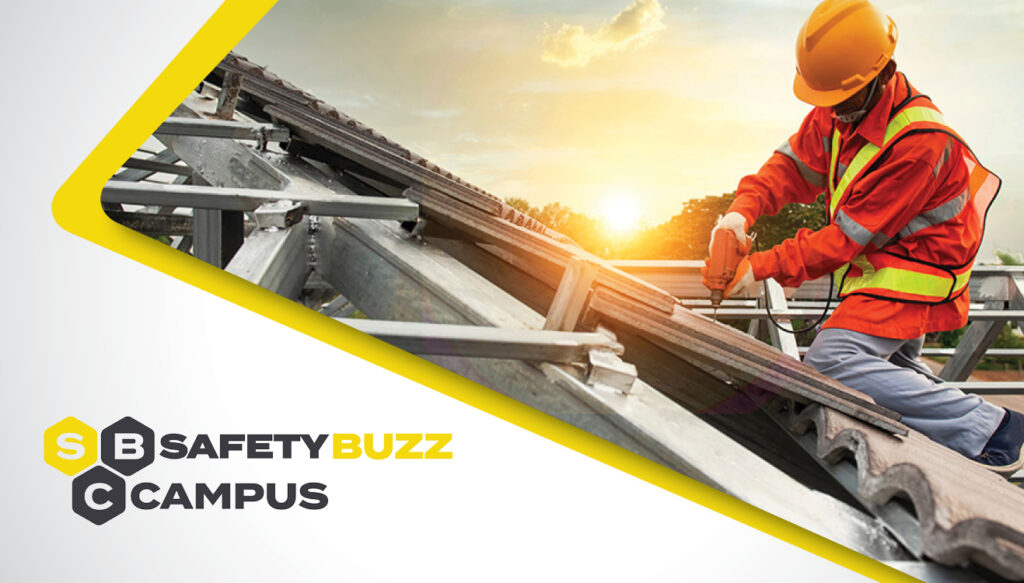
Home BIS Partners Safety Buzz Campus – An Authorized BIS Partner By DanAdminCAD Facebook LinkedIn Safety Buzz Campus, based in Dunmore, Alberta, just outside Medicine Hat, has been a cornerstone of safety education and training for over 20 years. Initially focused on delivering core safety courses, the organization has grown into a multifaceted safety training campus with four distinct departments: Safety Training – Offering in-person, online, and off-site safety courses for various industries. Driver Training School – Providing Class 1 and Class 3 driver training programs as part of their comprehensive campus offerings. Safety Management Services – Developing and maintaining customized safety programs for companies to ensure compliance and foster a safety-first culture. Field Safety Services – Supporting off-site safety needs, including confined space monitoring, safety supervision, and equipment such as air trailers and supplied air systems. This comprehensive approach ensures Safety Buzz Campus meets the diverse safety needs of its clients, whether through education, compliance, or on-the-ground support. Tailored Training Solutions The heart of Safety Buzz Campus lies in safety training. From its inception, the organization has been dedicated to building safety cultures within businesses and communities. Their approach goes beyond merely teaching safety practices, they aim to instill an understanding of the purpose and value behind these practices. This commitment helps clients integrate safety into their workplace culture and personal lives. “Bringing a safety culture to companies has always been incredibly important. We don’t just like to teach safety practices, we also like to help people understand the value and purpose of it.” Pamela Kunz Safety Buzz Campus Primary List of Services In-house Fall Protection Training Equipment-Specific Courses Safety Training Driver Training School Safety Management Services Field Safety Services Proud to Partner with Safety Buzz Campus The partnership between Safety Buzz Campus and BIS Safety Software showcases a shared commitment to advancing safety education across multiple industries. By combining Safety Buzz Campus’s extensive expertise in hands-on training with BIS Safety Software’s innovative digital solutions, they enhance accessibility and efficiency in safety programs. This collaboration streamlines training management, supports compliance, and empowers businesses to cultivate strong safety cultures within their organizations and communities. Partnership with BIS Safety Software Related read: Do you own a business in the insurance industry? Check out how Artificial Intelligence is transforming the insurance industry. Safety Buzz Campus has been leveraging BIS Safety Software for the past five years to streamline their operations. The scheduler feature is a vital tool they use daily to manage training sessions and resources efficiently. “We’ve been using BIS for about 5 years now and, clearly it’s designed for the industry. It’s designed exactly the way we need it… The scheduler is the center of our planning and organization.” Pamela Kunz Safety Buzz Campus They’re also exploring additional BIS features, such as document creation and CRM capabilities, to maximize the platform’s potential and integrate their diverse services. Looking ahead, they aim to expand their partnership with BIS by digitizing their in-house courses, creating video-based online programs, and enhancing their e-learning offerings. Discover Safety Buzz Campus As an Authorized Partner of BIS Safety Software, Safety Buzz Campus provides comprehensive safety training and consulting services across various industries. From hands-on equipment training to customized safety management solutions, Safety Buzz Campus is committed to fostering safer workplaces through education and innovation. Discover how they help businesses and communities build strong safety cultures and ensure compliance with industry standards. Visit Safety Buzz Campus’ Website Follow us! Stay up-to-date with the latest spotlight articles, podcasts, the SafetyNET Magazine, or our book on Leadership for Safety Excellence. All updates will be shared on our social channels, click below to follow us. Facebook Linkedin Related Articles All Posts #EmergencyPreparedness 2025 safety trends 360 Immersive 360immersive 6S Safety accident prevention accidental careers accountability adjustable workstations adult education AFAD AI automation AI implementation AI in business AI in operations AI in Safety AI podcast AI strategy AI transformation Airborne Hazards Alberta safety Alberta safety courses Allan James Moore Anhydrous Ammonia artificial intelligence asking for help audit findings audit readiness Audit Reporting automated compliance workflows automation in safety automation strategy avoidable injuries awareness Aztec Safety back strain BambooHR integration Bear safety behavior-based safety Behavioral Safety behavioural safety biometric sensors BIS Podcast BIS Safety Podcasts BIS Safety Software BIS Safety Spotlight black holes Blame Culture Blue Angels Boom Lift Safety BP Texas City Explosion Brave Leadership Brett Burkard bump test burnout business automation calibration call before you dig Canadian Compliance Canadian OHS Canadian safety Canadian safety history Canadian Safety Regulations Canadian safety standards Canadian wilderness safety CAPA tracking system carbon monoxide Cargo Securement Carolynne Heron CCOHS chemical Chemical Safety chemical vapors chronic injuries chronic pain cloud-based safety tools Coming Soon Commercial Drivers Commercial Vehicle Safety Communication in Safety Communication Systems community safety programs Competency in Safety complacency in safety Compliance compliance courses Compliance In Canada compliance issues Compliance management Compliance Reporting compliance software compliance software providers compliance tools compliance tracking compliance training compliance vs protection confined space Confined Space Safety connected safety systems Construction advocacy Construction education Construction industry construction safety construction safety training construction technology ConstructionSafety continuous improvement continuous safety improvement corporate culture corporate training corrective actions CPR and AED crane CSA standards Customer Spotlight Customer Spotlight Kevin Swinden Global Hazmat Safety Culture Hazmat Management Dangerous Goods Competency in Safety Workplace Risk Mitigation BIS Training Clients Canadian EHS customized training daily trip inspection Damage Prevention Dangerous Goods dangerous goods classification Danny Sellers data-driven safety debriefing Decision Analysis Decision quality defect management defect tracking defensive driving DEI in onboarding digital badges digital compliance digital FLHA digital forms Digital Hazard Reporting Digital Onboarding digital safety Digital Safety Audits digital safety meetings Digital Safety Solutions Digital safety systems digital safety tools digital safety transformation digital site access Digital Training Tools digital transformation DMS features document control document management system Dr. Joanna Pagonis Dr. Tom Krause Driver Fatigue driver file management driver training driving instructor program DTRMS Duty-Time Management e-learning e-learning tools eadership in safety early intervention education technology EHS EHS Adoption EHS analytics