BIS Safety Software
Arc Flash Safety
Build the confidence to recognize, assess, and avoid arc flash hazards in just 60 minutes. This self-paced, mobile-friendly course delivers practical, CSA Z462-aligned training to help Canadian workers make safer decisions around energized electrical equipment and reduce the risk of serious injury.
Course at a Glance
- Format: 100% online, self-paced
- Duration: Environ 60 minutes
- Standard: Aligned with CSA Z462 (Annex K), the Canadian workplace electrical safety standard
- Passing grade: 80% ou version supérieure
- Certificate: Printable certificate of completion
- CEUs:3 CEU issued by the AWWOA to registered members
- Access: Any internet-capable device, including desktop, tablet, and mobile
Course Introduction
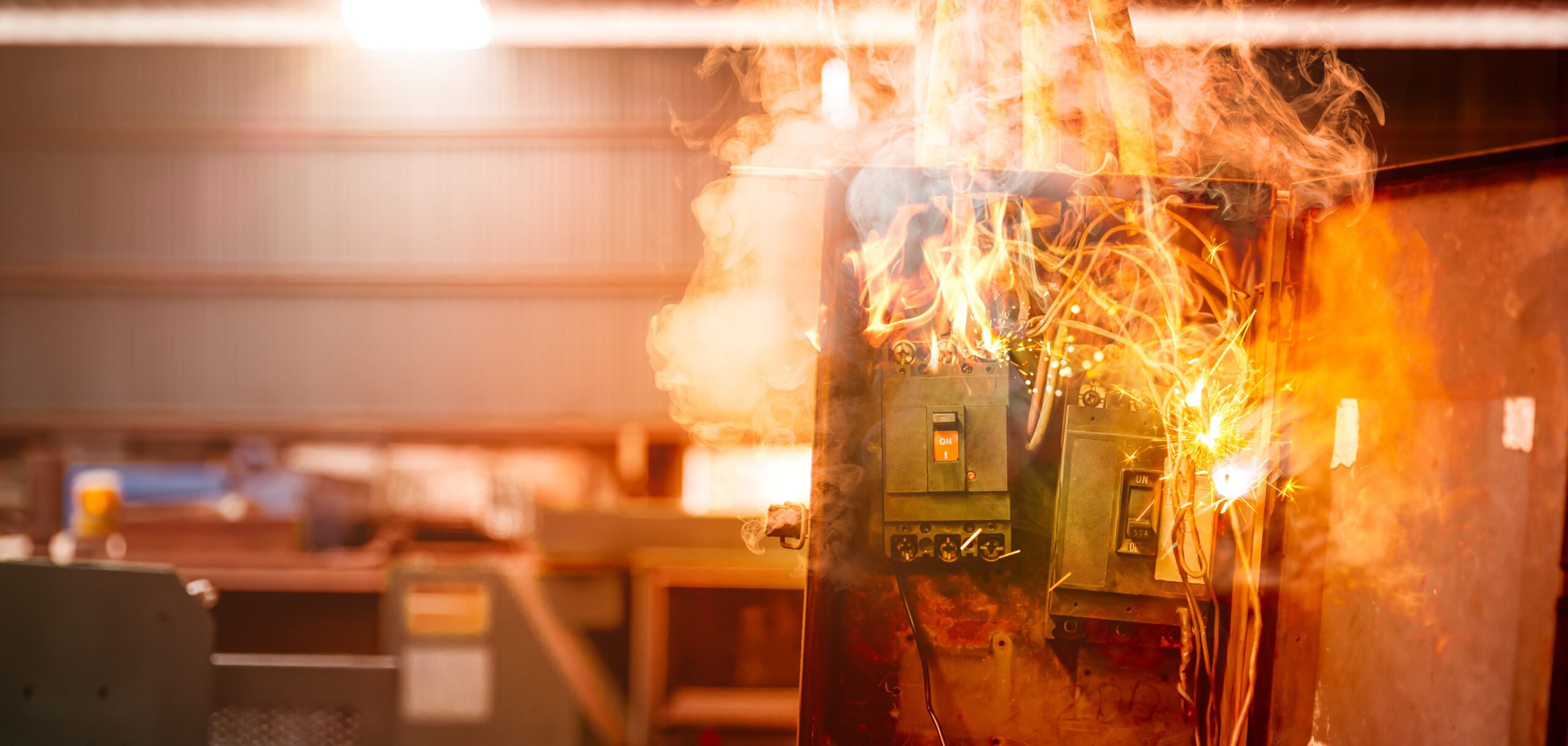
Electricity runs through nearly every Canadian worksite, and most people stop noticing it until something goes wrong. When it does, the consequences are severe. An arc flash is a violent release of electrical energy that can reach temperatures of 20,000°C, ignite clothing, and cause life-altering burns. It can injure a worker standing three metres away from the equipment. In fact, most hospital admissions from electrical incidents come from arc flash burns, not from electric shock.
The Arc Flash Hazard Awareness course gives workers the knowledge to see these hazards before they happen and to respond correctly when working on or near energized equipment. It answers the questions that matter on the floor: What causes an arc flash? How far does the danger reach? What protective equipment actually works, and where are the approach boundaries that keep people out of harm’s way?
This course is built for the people who share a workspace with electrical hazards every day, whether you are a journeyperson, an apprentice, an engineer, a student, or a manager responsible for a crew. It replaces guesswork with a clear, structured understanding of risk, drawn directly from CSA Z462, the standard Canadian employers are expected to follow.
Compared with a full day in a classroom, this online format respects your time and your operating budget. You complete it in about 60 minutes, from any device, without travel or scheduling a trainer. You learn the same core principles, retain them through built-in assessments, and finish with a certificate you can show to a supervisor, an auditor, or a client.
Aperçu du cours
The course is organized into clear sections that build from the basics of what an arc flash is to the practical steps that keep workers safe. Each topic connects directly to decisions people make on the job.
What an Arc Flash Is and How It Happens
You start with the fundamentals: what an arc flash actually is, the conditions that trigger one, and the chain of events that turns a routine task into an emergency. Understanding the cause is what allows a worker to interrupt it. This section turns an abstract danger into something you can recognize and prevent.
Factors That Affect Severity
Not every arc flash is the same. This section covers the variables that determine how dangerous an incident becomes, including available fault energy, distance, and equipment condition. Knowing these factors helps you judge which tasks carry the most risk and plan accordingly, rather than treating every job the same way.
Effects of an Arc Flash on a Person
Here you learn what an arc flash does to the human body, from burns to the blast pressure and the secondary injuries that follow. This is the part that makes the standards stick. When workers understand the real cost, safe procedures stop feeling like paperwork and start feeling like protection.
Arc Flash Protection Methods and PPE
This section walks through the practical defences: how to protect against arc flash and how to select and wear the right personal protective equipment. You leave knowing what the gear is for, why it is rated the way it is, and how proper use changes the outcome of an incident.
Labelling of Electrical Equipment
Electrical equipment carries warning labels for a reason. This section teaches you how to read them and act on the information they provide, so workers respond correctly to the hazards a piece of equipment presents before they begin a task.
Electrical Approach Boundaries
You cover the boundary system that governs how close a worker can safely get to energized parts, including the arc flash boundary, the limited approach boundary, and the restricted approach boundary. These boundaries are the practical rules that keep unqualified people back and tell qualified workers what protection they need at each distance.
Hazard Assessment and Risk Evaluation
The course closes with the process for assessing electrical hazards and evaluating risk. This ties everything together into a repeatable method workers and supervisors can apply to real tasks, supporting the kind of documented risk evaluation that Canadian regulators and CSA Z462 expect.
Learning Outcomes
By the end of this course, you will be able to:
- Recognize an arc flash hazard and explain the conditions that cause one
- Assess the factors that affect the severity of an arc flash on a given task
- Describe the effects of an arc flash on the human body and why prevention matters
- Apply appropriate arc flash protection methods and select the correct PPE
- Interpret the warning labels found on electrical equipment
- Identify the arc flash, limited approach, and restricted approach boundaries and respond to each correctly
- Carry out a basic hazard assessment and risk evaluation aligned with CSA Z462
Who Should Take This Course
This course is written for anyone who works around electrical hazards or is responsible for those who do. It suits a wide range of roles and experience levels:
- Apprentices and students entering the electrical trades who need a solid foundation in arc flash safety
- Journeypersons and experienced tradespeople who want a current refresher tied to CSA Z462
- Engineers and technicians who design, specify, or work near electrical systems
- Supervisors and managers responsible for crew safety and compliance
- Workers in high-risk industries such as construction, manufacturing, oil and gas, mining, utilities, and maintenance
- Employers and safety teams looking to add a verified awareness module to an internal training program
- If your work brings you near energized equipment, or you oversee people whose work does, this course was designed with you in mind.
Key Benefits
Protect your people from a hazard that kills at a distance
The most direct benefit is the obvious one. Workers who understand arc flash boundaries and severity factors make safer decisions, and safer decisions prevent burns, lost time, and fatalities.
Meet Canadian expectations with confidence
The course is aligned with CSA Z462, the standard Canadian workplaces are measured against. Completing it helps demonstrate that your team has received recognized arc flash awareness training and supports your broader compliance record during audits and inspections.
Reduce downtime and cost
Online and self-paced means no travel, no booked trainer, and no full day off the tools. Your team gets the same core knowledge in about 60 minutes, which keeps projects moving and training budgets predictable.
Build a documented safety culture
Every learner finishes with a printable certificate of completion and, for AWWOA members, 0.3 CEU toward continuing education. That creates a clear record you can track, verify, and present when it counts.
Strengthen day-to-day judgment
The hazard assessment and boundary content gives workers a repeatable way to evaluate risk on real tasks. That judgment carries over to every job, not just the one in front of them today.
Why Enroll in This Course
Arc flash is one of the most dangerous and least understood hazards in electrical work. The standards around it, especially CSA Z462, exist because the cost of getting it wrong is so high. This course makes those standards practical and accessible for the people who need them most.
Practical and applied. The content focuses on what workers actually do: reading labels, respecting boundaries, choosing PPE, and assessing risk before starting a task. It is awareness training built for the field, not theory for its own sake.
Aligned with the Canadian standard. Many arc flash resources are written around the U.S. NFPA 70E standard. This course is grounded in CSA Z462, the standard that applies across Canadian provinces, so what your team learns matches what your regulators expect.
Designed for real schedules. Roughly 60 minutes, fully online, on any device. Workers can complete it during onboarding, a slow shift, or a scheduled training window without disrupting operations.
Verified and trackable. An 80% passing grade and a printable certificate mean completion is earned and documented, giving supervisors and safety managers something concrete to rely on.
Strong return on a small investment. A single arc flash incident can cost a worker their health and an employer significant time and money. A short, affordable course that helps prevent even one is training that pays for itself.
If your workplace involves energized equipment, arc flash awareness is not optional knowledge. Enrol your team today and give them the understanding that keeps them safe and your operation compliant.
Questions fréquemment posées
What is arc flash hazard awareness training?
It is a safety course that teaches workers to recognize, assess, and avoid arc flash hazards when working on or near electrical equipment. This course covers the causes of arc flash, its effects, protective equipment, equipment labelling, electrical approach boundaries, and the hazard assessment process, all aligned with CSA Z462.
How long does the course take?
The course takes approximately 60 minutes to complete. It is self-paced, so learners can start, pause, and finish on their own schedule from any internet-capable device.
Is this course aligned with CSA Z462?
Yes. The course content follows CSA Z462 (Annex K), the Canadian standard for workplace electrical safety, which makes it well suited to Canadian employers and workers.
What standard applies to arc flash safety in Canada?
In Canada, the governing standard is CSA Z462, Workplace Electrical Safety. It was developed in parallel with the U.S. NFPA 70E standard and provides guidance on hazard assessment, safe work practices, approach boundaries, and personal protective equipment.
Do I receive a certificate?
Yes. Learners who achieve a passing grade of 80% or higher receive a printable certificate of completion. AWWOA members are also issued 0.3 CEU.
Who should take this course?
The course is designed for apprentices, students, journeypersons, engineers, technicians, supervisors, and managers, along with anyone working in industries such as construction, manufacturing, oil and gas, mining, and utilities where electrical hazards are present.
Can this course be used for a team or company?
Yes. The course works well as part of an internal safety training program and can be assigned to multiple workers, with completion records available for tracking and verification.
How dangerous is an arc flash?
Arc flash is among the most serious electrical hazards. Temperatures can reach 20,000°C, and an arc flash can injure a worker standing roughly three metres away. Most hospital admissions from electrical incidents are caused by arc flash burns rather than electric shock, which is why awareness training is so important.
Enrol Today
Give yourself and your team the knowledge to work safely around electrical hazards. Start the Arc Flash Hazard Awareness course online and finish in about 60 minutes, with a recognized certificate to show for it.
Détails du cours
Durée du cours
Ce cours durera environ 61 minutes
Note de passage
Pour réussir cette formation, vous devez obtenir 80% ou version supérieure au quiz
Certificat
À l'issue de la réussite de ce cours, un certificat à votre nom sera stocké sur votre profil et disponible à l'impression
Cours de formation supplémentaires

Protection contre les chutes (Alberta)
The Fall Protection (Alberta) course is designed to guide you in the proficient use of fall protection gear and to prepare for potential falls.

Hand and Power Tool Safety in Construction Environments
This digital Hand & Power Tool Safety in Construction Environments course delves into the potential perils of hand and power tools, and elucidates the...

Hot Work with Arc Welding
This digital course is designed to aid learners in recognizing the risks associated with hot work and understanding the essential requirements for conducting hot...

Télécharger la fiche de validation de la surveillance
Veuillez saisir votre nom et votre adresse e-mail ci-dessous et télécharger la brochure !

Prenez rendez-vous avec notre équipe
Veuillez indiquer votre nom et votre adresse e-mail ci-dessous
Commandez votre exemplaire numérique GRATUIT
Nous serions ravis de mettre en avant votre entreprise et vous-même