


Le Guide d'Achat des LMS :

Choisir le bon LMS peut transformer votre formation, votre conformité et le développement de vos employés. Ce guide met en évidence les facteurs clés pour vous aider à prendre une décision éclairée et en toute confiance.
Guide complet du logiciel de gestion des risques EHS
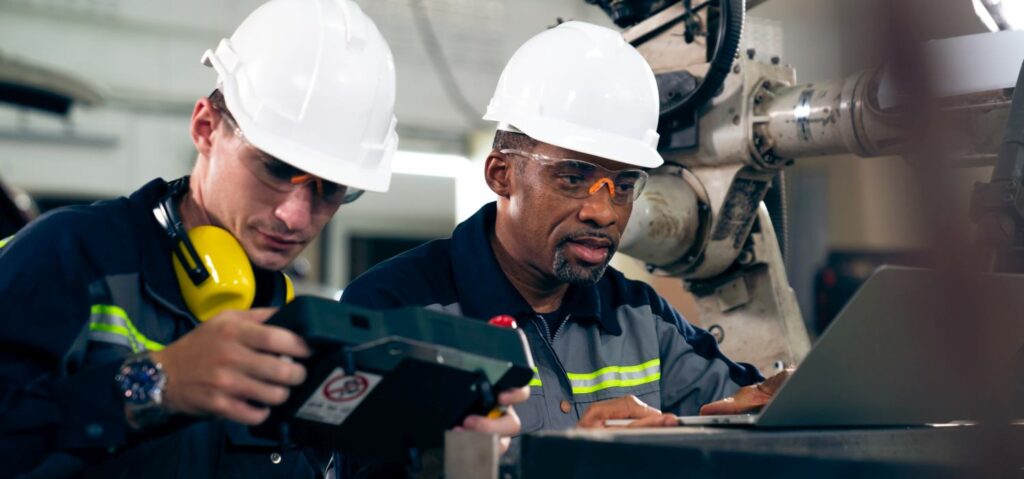
Ce guide vous aide à choisir le meilleur logiciel de gestion des risques EHS en abordant les fonctionnalités, la sélection des fournisseurs, la stratégie de mise en œuvre et les conseils pour la réussite à long terme.
Améliorer la sécurité des travailleurs isolés
Les travailleurs isolés sont confrontés à de graves risques pour leur sécurité. Ce guide explore les principales fonctionnalités des applications pour travailleurs isolés, les stratégies de mise en œuvre et des exemples concrets de réussite pour les équipes de sécurité.
Passeriez-vous une inspection de sécurité surprise ?
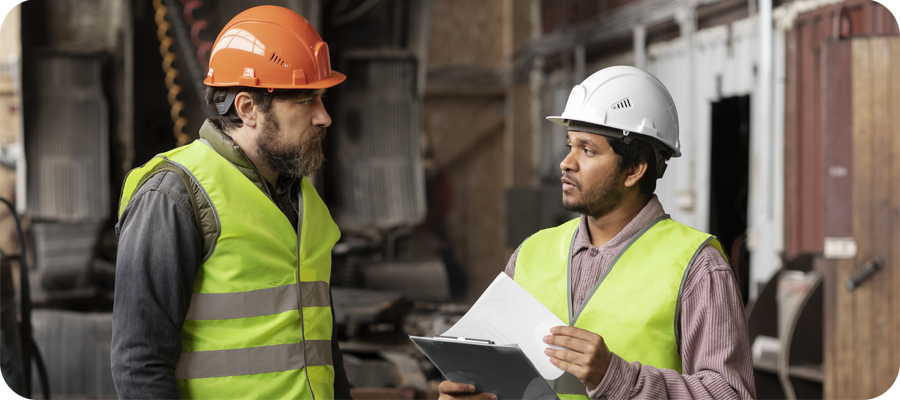
Accueil Blog Réussiriez-vous une inspection de sécurité inopinée ? Voici ce que recherchent les inspecteurs Par RDadiz Facebook LinkedIn Une inspection de sécurité peut avoir lieu à tout moment. Sans avertissement, sans temps de préparation : juste un inspecteur qui entre, bloc-notes à la main. La bonne nouvelle ? Un lieu de travail bien préparé n’a pas à s’inquiéter. Lorsque la sécurité fait partie des habitudes quotidiennes, les inspections deviennent l’occasion de montrer ce que vous faites bien, et non plus une course effrénée pour corriger ce qui ne va pas. Les meilleurs lieux de travail ne se contentent pas de réussir les inspections, ils établissent la norme que les autres doivent suivre. Une culture de la sécurité solide ne se résume pas à réussir des tests. Il s’agit d’assurer la sécurité des travailleurs, à chaque équipe, chaque jour. Que vérifient les inspecteurs en premier lieu ? L’ordre et la propreté – Un espace de travail propre et bien rangé témoigne d’un engagement en faveur de la sécurité. Les inspecteurs vérifient que les allées sont dégagées, que les matériaux sont correctement stockés et que les issues de secours ne sont pas obstruées. Le désordre est synonyme de négligence. Un site bien entretenu réduit les accidents et permet aux travailleurs de rester concentrés. Respect des EPI – Les travailleurs doivent utiliser l’équipement adapté à leur tâche. Casques de sécurité, gants, lunettes de protection, tout ce qui est requis. L’utilisation correcte des EPI témoigne d’une culture qui valorise la protection, et pas seulement le respect des règles. Protections des machines et procédures de verrouillage/étiquetage – Les équipements doivent être bien entretenus. Aucune protection ne doit manquer. Aucun interrupteur de sécurité ne doit être contourné. Les inspecteurs vérifient que les procédures de verrouillage et d’étiquetage sont correctement appliquées afin de garantir que les travailleurs ne soient pas exposés à des risques mortels. Issues de secours et équipements – Extincteurs, douches oculaires, panneaux de sortie : tous doivent être accessibles et en état de marche. En cas d’urgence, les travailleurs ne doivent pas perdre de temps à chercher les outils qui pourraient leur sauver la vie. Dossiers de formation – Une équipe bien formée est une équipe en sécurité. Les inspecteurs vérifient la présence d’une documentation à jour prouvant que les travailleurs connaissent les protocoles de sécurité. Si votre équipe ne peut pas répondre à des questions élémentaires sur la sécurité, vous avez un problème. Communication des risques – Les produits chimiques doivent être étiquetés et stockés correctement. Les fiches de données de sécurité (FDS) doivent être faciles à trouver. Une étiquette manquante ou un stockage inapproprié ne constitue pas seulement une infraction, mais un désastre potentiel. Comment se tenir prêt pour une inspection Considérez chaque jour comme un jour d’inspection – Les bonnes habitudes de sécurité doivent être une seconde nature. Si vous ne voudriez pas qu’un inspecteur voie cela, cela ne devrait tout simplement pas se produire. Résolvez les petits problèmes avant qu’ils ne deviennent de gros problèmes – Un nettoyage ou une réparation rapide aujourd’hui permet d’éviter des problèmes plus graves demain. Un fil électrique qui pend, un dispositif de protection manquant, une issue bloquée : ce n’est qu’un détail aujourd’hui, mais cela peut devenir grave plus tard. Maintenez la formation à jour – Une équipe bien formée rend le lieu de travail plus sûr. Les rappels de sécurité ne doivent pas se limiter à un événement annuel. Formez régulièrement. Renforcez ces pratiques au quotidien. Faites de l’EPI une norme, pas une simple suggestion : les travailleurs doivent disposer de ce dont ils ont besoin pour rester protégés. Pas d’équipement, pas de travail. C’est aussi simple que cela. Réalisez des audits internes : des autocontrôles réguliers renforcent une solide culture de la sécurité. Parcourez le site. Repérez les dangers. Corrigez-les avant qu’un inspecteur ne soit obligé de les signaler. Encouragez les retours des travailleurs – Ce sont les personnes sur le terrain qui savent où se trouvent les véritables risques. Si les travailleurs constatent un problème, ils doivent se sentir en confiance pour le signaler sans craindre de représailles. Montrez l’exemple – Si les superviseurs prennent des raccourcis, les travailleurs en feront de même. La sécurité commence au sommet. Fixez la norme. Conclusion : soyez toujours prêts, restez en sécurité. Un lieu de travail qui donne la priorité à la sécurité au quotidien n’a jamais besoin de “ se préparer ” pour une inspection. Tout est déjà en place. La sécurité ne se résume pas à la conformité ; il s’agit de créer un lieu de travail où chacun se sent protégé, préparé et fier du travail qu’il accomplit. Lorsque la sécurité fait partie intégrante de la routine, les inspections deviennent l’occasion de mettre en avant les réussites, et non de se démener pour corriger des erreurs. Les programmes de sécurité solides sont reconnus, et les lieux de travail qui prennent la sécurité au sérieux gagnent la confiance des employés, des clients et des inspecteurs. L’objectif n’est pas seulement de passer une inspection, mais de s’assurer que chaque employé rentre chez lui en toute sécurité. Chaque jour. Suivez-nous ! Restez informé des derniers articles à la une, des podcasts, du magazine SafetyNET ou de notre ouvrage sur le leadership pour l’excellence en matière de sécurité. Toutes les actualités seront partagées sur nos réseaux sociaux ; cliquez ci-dessous pour nous suivre. Facebook LinkedIn Articles connexes Tous les articles #EmergencyPreparedness Tendances 2025 en matière de sécurité 360 Immersive 360immersive Sécurité 6S prévention des accidents carrières par accident postes de travail réglables formation pour adultes IA automatisation mise en œuvre de l’IA l’IA dans les entreprises l’IA dans les opérations l’IA dans la sécurité podcast sur l’IA stratégie en matière d’IA transformation par l’IA cours de sécurité en Alberta Allan James Moore intelligence artificielle demander de l’aide conclusions d’audit préparation à l’audit rapports d’audit automatisation en matière de sécurité stratégie d’automatisation blessures évitables sensibilisation Aztec Safety lombalgie intégration BambooHR sécuritéde la sécurité Sécurité comportementale Sécurité comportementale Capteurs biométriques Podcast BIS Podcasts sur la sécurité BIS Logiciel de sécurité BIS Pleins feux sur la sécurité BIS Trous noirs Culture du blâme Explosion de BP à Texas City Leadership courageux Brett Burkard Épuisement professionnel Automatisation des entreprises SST canadienne Sécurité canadienne Histoire de la sécurité canadienne Normes de sécurité canadiennes Monoxyde de carbone Carolynne Heron CCOHS Produits chimiques Vapeurs chimiques Blessures chroniques douleurs chroniques outils deoutils de sécurité basés sur le cloud À venir programmes de sécurité communautaire Compétences en matière de sécurité complaisance en matière de sécurité Conformité cours sur la conformité Conformité au Canada problèmes de conformité gestion de la conformité rapports de conformité outils de conformité suivi de la conformité formation à la conformité conformité vs protection défense des intérêts du secteur de la construction formation dans le secteur de la construction secteur de la construction sécurité dans la construction formation à la sécurité dans la construction amélioration continue amélioration continue de la sécurité culture d’entreprise formation en entreprise mesures correctives grues normes CSA Pleins feux sur un client Pleins feux sur un client : Kevin Swinden Global HazCulture de la sécurité Gestion des matières dangereuses Compétences en matière de sécurité Atténuation des risques sur le lieu de travail Clients de la formation BIS EHS canadien Formation sur mesure Inspection quotidienne des trajets Prévention des dommages Marchandises dangereuses Classification des marchandises dangereuses Danny Sellers SécuritéSécurité axée sur les données Analyse décisionnelle Gestion des défauts Suivi des défauts Conduite préventive DEI lors de l’intégration Conformité numérique Formulaires numériques Signalement numérique des risques Intégration numérique Sécurité numérique Audits de sécurité numérique Systèmes de sécurité numérique Outils de sécurité numérique Transformation numérique de la sécurité Outils de formation numériques Transformation numérique Fonctionnalités du DMS Contrôle des documents Système de gestion des documents Dr. Joanna Pagonis, Dr Tom Krause, gestion des dossiers des conducteurs, formation des conducteurs, programme de formation des moniteurs de conduite, DTRMS, e-learning, e-outils d’apprentissage en ligne leadership en matière de sécurité intervention précoce technologies éducatives EHS adoption des normes EHS conformité EHS solutions numériques EHS inspections EHS intégration EHS logiciels EHS outils EHS Einstein sécurité électrique plan d’action d’urgence préparation aux situations d’urgence intervention d’urgence fournitures d’urgence formation émotionnelle comportement des employés engagement des employés santé des employés intégration des employés préparation des employés sécurité des employés formation des employés isolation énergétique , conception ergonomique, risques ergonomiques, ergonomie, procédures d’évacuation, collecte de preuves, EWI Works, exosquelettes, analyse des défaillances, protection contre les chutes, intégration rapide, expérience sur le terrain, évaluations des risques sur le terrain, sécurité sur le terrain, évaluations de la sécurité sur le terrain, sécurité sur le terrain
The PPE Excuse

Home Blog The PPE Excuse Why Workers Skip It and How to Change That By RDadiz Facebook LinkedIn PPE saves lives, but too many workers skip it. Hard hats, gloves, and safety glasses get ignored, forgotten, or dismissed. The excuses are endless: “It’s uncomfortable.” “It slows me down.” “I’ve never needed it before.” But PPE only works if you wear it. A few seconds of hassle isn’t worth a lifetime of injury. Why Workers Skip PPE Workers give plenty of reasons for not wearing PPE, but none of them justify the risk. Understanding these excuses is the first step in fixing the problem. Too Uncomfortable: If PPE is hot, tight, or bulky, workers ditch it. Uncomfortable gear leads to improper use or outright refusal. False Security: “Nothing bad has happened yet” isn’t a safety plan. Just because an accident hasn’t happened doesn’t mean it won’t. Rushing the Job: Some think skipping PPE saves time, but accidents steal far more. A quick shortcut today could lead to months, or even a lifetime, of recovery. Peer Pressure: If others ignore PPE, workers follow suit. Nobody wants to be the only one following the rules while everyone else cuts corners. Weak Enforcement: If leaders don’t enforce PPE, workers won’t take it seriously. A rule that isn’t reinforced might as well not exist. The Real Cost of Skipping PPE You don’t need PPE, until you do. One missed moment can mean a lifetime of damage. PPE isn’t about inconvenience, it’s about survival. Eye injuries: Flying debris, sparks, and chemicals can cause blindness in seconds. Safety glasses aren’t optional; they’re necessary protection. Hearing loss: Loud environments destroy hearing. Once it’s gone, it’s gone. Many workers who skip ear protection wish they hadn’t, when it’s too late. Head trauma: One hit to the head without a helmet can be fatal. A single moment of neglect can lead to a life-altering injury. Burns and chemical exposure: Gloves and protective gear prevent lasting scars, or worse. Skin doesn’t grow back the same after severe burns. Amputations : Machines don’t care about mistakes. Hands, fingers, and limbs can be lost in an instant. PPE can be the last line of defense between a worker and disaster. How to Fix the PPE Problem Fixing PPE compliance isn’t about forcing workers into gear they hate. It’s about creating a culture where PPE is second nature, not an afterthought. Workers should have PPE that fits well and feels comfortable. No one should choose between safety and comfort. PPE should be easy to grab and always stocked in plain sight so workers don’t have to search for it. Enforcing PPE rules is essential. There should be no exceptions to a “no PPE, no work” policy. Workers need to understand why PPE matters, and real injury stories can drive the message home. A strong PPE culture means workers look out for each other and fix unsafe habits as they happen. Signs and posters keep safety fresh in workers’ minds. Calling out those who follow the rules builds better habits. Training should be ongoing, not just a one time event, and leadership must set the example. If supervisors don’t wear PPE, workers won’t either. Final Thought: No Excuses, Just Safety Skipping PPE isn’t tough, it’s reckless. No one is invincible. No job is worth blindness, burns, or lost limbs. PPE exists because real dangers exist. Wearing it isn’t just about following rules, it’s about survival. Make the right choice. Wear the gear. Stay safe. Follow us! Stay up-to-date with the latest spotlight articles, podcasts, the SafetyNET Magazine, or our book on Leadership for Safety Excellence. All updates will be shared on our social channels, click below to follow us. Facebook Linkedin Related Articles All Posts #EmergencyPreparedness 2025 safety trends 360 Immersive 360immersive 6S Safety accident prevention accidental careers adjustable workstations adult education AI automation AI implementation AI in business AI in operations AI in Safety AI podcast AI strategy AI transformation Alberta safety courses Allan James Moore artificial intelligence asking for help audit findings audit readiness Audit Reporting automation in safety automation strategy avoidable injuries awareness Aztec Safety back strain BambooHR integration behavior-based safety Behavioral Safety behavioural safety biometric sensors BIS Podcast BIS Safety Podcasts BIS Safety Software BIS Safety Spotlight black holes Blame Culture BP Texas City Explosion Brave Leadership Brett Burkard burnout business automation Canadian OHS Canadian safety Canadian safety history Canadian safety standards carbon monoxide Carolynne Heron CCOHS chemical chemical vapors chronic injuries chronic pain cloud-based safety tools Coming Soon community safety programs Competency in Safety complacency in safety Compliance compliance courses Compliance In Canada compliance issues Compliance management Compliance Reporting compliance tools compliance tracking compliance training compliance vs protection Construction advocacy Construction education Construction industry construction safety construction safety training continuous improvement continuous safety improvement corporate culture corporate training corrective actions crane CSA standards Customer Spotlight Customer Spotlight Kevin Swinden Global Hazmat Safety Culture Hazmat Management Dangerous Goods Competency in Safety Workplace Risk Mitigation BIS Training Clients Canadian EHS customized training daily trip inspection Damage Prevention Dangerous Goods dangerous goods classification Danny Sellers data-driven safety Decision Analysis defect management defect tracking defensive driving DEI in onboarding digital compliance digital forms Digital Hazard Reporting Digital Onboarding digital safety Digital Safety Audits Digital safety systems digital safety tools digital safety transformation Digital Training Tools digital transformation DMS features document control document management system Dr. Joanna Pagonis Dr. Tom Krause driver file management driver training driving instructor program DTRMS e-learning e-learning tools eadership in safety early intervention education technology EHS EHS Adoption EHS Compliance EHS digital solutions EHS Inspections EHS Onboarding EHS software EHS tools Einstein electrical safety Emergency Action Plan emergency preparedness emergency response emergency supplies emotional training employee behavior employee engagement employee health Employee onboarding Employee Readiness employee safety employee training Energy Isolation ergonomic consulting ergonomic design ergonomic risks ergonomics Evacuation Procedures evidence collection EWI Works exoskeleton exoskeletons failure analysis fall protection fast onboarding field experience field level hazard assessments field safety field safety assessments field safety services Field Safety Technology
Pain Is a Warning

Home Blog Pain Is a Warning Why Ignoring Injuries Leads to Bigger Problems Silence isn’t golden! By RDadiz Facebook LinkedIn Don’t tough it out! Too many workers push through pain instead of speaking up. They strain sore muscles, ignore small cuts, and brush off dizziness. They don’t want to look weak, slow down the team, or risk their job. But ignoring pain doesn’t make it go away, it makes it worse. Minor injuries turn into major ones. Small strains lead to lifelong damage. When workplaces push workers to ignore pain, small injuries turn into chronic ones. Burnout rises. Safety slips behind speed and output. Why Workers Stay Silent ▸ Fear of Judgment No one wants to be seen as weak or unable to handle the job. Many workers believe speaking up will make them a target for ridicule or resentment. ▸ Job Security Some workers worry that reporting an injury could cost them hours or their position. If a workplace treats injuries as a sign of unreliability, workers will hide them. ▸ Team Pressure If everyone else is pushing through, it’s hard to be the one who speaks up. Workers don’t want to feel like they’re letting the crew down. ▸ Lack of Awareness Many don’t realize how serious an injury can become if left untreated. What feels like a small strain today could lead to permanent damage months or years later. ▸ Workplace Culture When toughness matters more than safety, workers see reporting pain as weakness, not a smart choice. The Real Cost of Pushing Through Pain A sore wrist today can turn into chronic tendonitis. A minor back strain can lead to a herniated disc. Untreated dizziness can cause a fall, leading to fractures or worse. Repetitive motion injuries, if ignored, can force workers out of their jobs entirely. When workers ignore pain, they risk more than discomfort. They risk long-term disability, lost wages, and reduced quality of life. Pain slows reactions, causes mistakes, and raises the risk of serious accidents. More injuries mean lost time, higher costs, and lower productivity for employers. When injuries pile up, morale drops, and turnover increases. Ignoring pain doesn’t just harm workers, it weakens the whole team. How to Change the Culture 1. Encourage Reporting Make it clear that speaking up about pain isn’t weakness, it’s smart. The sooner an issue is addressed, the less damage it does. Employers should make reporting concerns easy and judgment-free. Workers need to know they can speak up without fear. 2. Train Supervisors to Listen If workers report pain and get brushed off, they won’t speak up next time. Leaders should take concerns seriously and act fast. A supervisor’s attitude toward safety sets the tone for the entire team. 3. Provide Proper Equipment The right tools, supportive footwear, and ergonomic solutions prevent unnecessary strain. Investing in high-quality safety gear reduces long-term injury risks. 4. Promote Early Intervention Stretching, rest breaks, and quick treatment stop small aches from turning into serious injuries. Encouraging movement and proper lifting techniques can prevent chronic conditions before they start. 5. Educate Workers on Injury Progression Many workers don’t report pain because they don’t realize how quickly a small injury can escalate. Training should include real-world examples of ignored injuries turning into serious conditions. 6. Lead By Example If supervisors push through pain, workers will too. A strong safety culture starts at the top. Leadership should demonstrate safe habits and encourage self-care without stigma. 7. Create a Supportive Environment Recognize and reward workers who take the right steps when dealing with injuries. Reinforce that prioritizing health is the responsible thing to do. Final Thought: Strength Is Speaking Up Real toughness isn’t about ignoring pain, it’s about knowing when to stop, recover, and protect your future. A smart worker doesn’t push through injury. They recognize risk, report issues, and take action before it’s too late. When workplaces support early intervention, workers stay stronger, safer, and more productive in the long run. Work smart. Stay strong. Speak up. Follow us! Stay up-to-date with the latest spotlight articles, podcasts, the SafetyNET Magazine, or our book on Leadership for Safety Excellence. All updates will be shared on our social channels, click below to follow us. Facebook Linkedin Related Articles All Posts #EmergencyPreparedness 2025 safety trends 360 Immersive 360immersive 6S Safety accident prevention accidental careers adjustable workstations adult education AI automation AI implementation AI in business AI in operations AI in Safety AI podcast AI strategy AI transformation Alberta safety courses Allan James Moore artificial intelligence asking for help audit findings audit readiness Audit Reporting automation in safety automation strategy avoidable injuries awareness Aztec Safety back strain BambooHR integration behavior-based safety Behavioral Safety behavioural safety biometric sensors BIS Podcast BIS Safety Podcasts BIS Safety Software BIS Safety Spotlight black holes Blame Culture BP Texas City Explosion Brave Leadership Brett Burkard burnout business automation Canadian OHS Canadian safety Canadian safety history Canadian safety standards carbon monoxide Carolynne Heron CCOHS chemical chemical vapors chronic injuries chronic pain cloud-based safety tools Coming Soon community safety programs Competency in Safety complacency in safety Compliance compliance courses Compliance In Canada compliance issues Compliance management Compliance Reporting compliance tools compliance tracking compliance training compliance vs protection Construction advocacy Construction education Construction industry construction safety construction safety training continuous improvement continuous safety improvement corporate culture corporate training corrective actions crane CSA standards Customer Spotlight Customer Spotlight Kevin Swinden Global Hazmat Safety Culture Hazmat Management Dangerous Goods Competency in Safety Workplace Risk Mitigation BIS Training Clients Canadian EHS customized training daily trip inspection Damage Prevention Dangerous Goods dangerous goods classification Danny Sellers data-driven safety Decision Analysis defect management defect tracking defensive driving DEI in onboarding digital compliance digital forms Digital Hazard Reporting Digital Onboarding digital safety Digital Safety Audits Digital safety systems digital safety tools digital safety transformation Digital Training Tools digital transformation DMS features document control document management system Dr. Joanna Pagonis Dr. Tom Krause driver file management driver training driving instructor program DTRMS e-learning e-learning tools eadership in safety early intervention education technology
Le problème de la sécurité ? Nous l'avons rendue ennuyeuse.
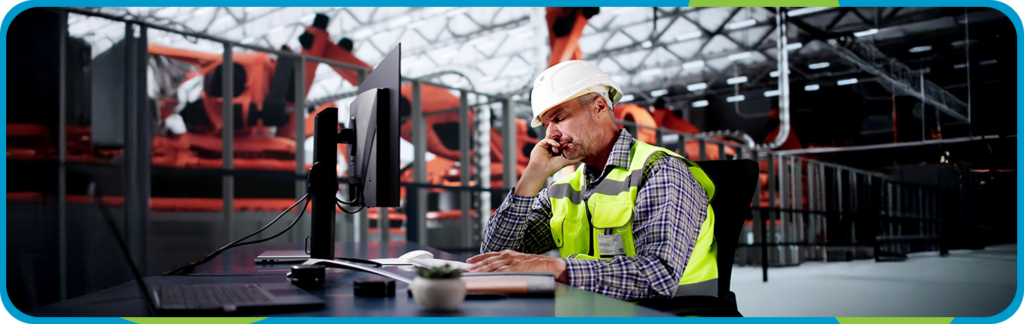
Accueil Blog Le problème avec la sécurité ? On l’a rendue ennuyeuse. On l’a rendue ennuyeuse Par RDadiz Facebook LinkedIn Leçons tirées du terrain Personne ne se lance dans la sécurité pour remplir des formulaires. On le fait parce qu’on a vu ce qui peut arriver autrement. La chute qui n’aurait pas dû se produire. Ce fût de produits chimiques qui a failli détruire la moitié d’un pâté de maisons. Ce collègue qui n’est jamais rentré chez lui. Mais à un moment donné, nous avons enterré cette urgence sous des classeurs. Nous avons pris une discipline fondée sur l’adrénaline, le risque et la responsabilité, et nous l’avons transformée en un travail de bureau. Nous l’avons réduite à des blocs-notes, à des listes de contrôle de conformité. À des vidéos de formation d’une heure que les gens ont oubliées avant même le déjeuner. Nous avons rendu la sécurité ennuyeuse. Pire encore, nous avons fait en sorte qu’il soit facile de l’ignorer. Et si nous ne remédions pas à cela, les gens continueront à se blesser. La sécurité n’est pas un service. C’est une culture. Rendez-vous sur la plupart des chantiers, et vous entendrez la même chose : “ La sécurité est la responsabilité de chacun. ” Ça sonne bien. Sauf que dans beaucoup d’entreprises, la sécurité reste confinée dans son petit silo. Le responsable de la sécurité fait le tour du chantier, donne son feu vert, passe peut-être rapidement en revue une liste de contrôle. Il retourne ensuite à son bureau pour mettre à jour le système. Pendant ce temps, l’équipe est sur le terrain, en train de prendre de vraies décisions. En temps réel. Avec de vraies conséquences. Ce sont eux qui équilibrent une échelle sur un sol irrégulier. Ce sont eux qui devinent si l’isolation est sous tension. Ce sont eux qui font face aux aléas météorologiques, aux équipements défectueux et à la pression bien réelle de devoir travailler vite. Wes Rundle a lui-même dû prendre certaines de ces décisions et sait à quel point il est important de simplifier la sécurité. Il a contribué à la refonte des systèmes de sécurité dans de nombreuses entreprises. De la planification des urgences dans les usines chimiques aux équipes de carottage du béton en pleine pandémie, il a tout vu. Et la leçon est toujours la même : si votre système crée des frictions, les gens trouveront le moyen de le contourner. On ne peut pas superposer la complexité à la complexité et s’attendre à ce que cela fonctionne. Il faut aller à la rencontre des gens là où ils en sont. Rendre les choses fluides. Rendre les choses logiques. Plus on accumule de formulaires, moins les gens sont enclins à s’arrêter pour réfléchir. L’objectif n’est pas d’augmenter la paperasse. L’objectif est de réduire le nombre d’accidents. De réduire le nombre d’incidents évités de justesse. Et de permettre à davantage de personnes de rentrer chez elles saines et sauves. “ La sécurité doit être simple. Parce que le travail est déjà complexe. ” Wes Rundle Le mythe du travailleur compétent Voici un scénario courant : un travailleur termine sa formation en ligne, obtient son certificat, et son responsable coche la case. Il est “ formé ”. N’est-ce pas ? Robin Postnikoff n’y croit pas. Fondateur de MI Safety, il a vu le secteur faire comme si la théorie équivalait à la compétence. Ce n’est pas le cas. “ On a toujours pensé qu’un travailleur pouvait suivre une formation générique et en ressortir compétent ”, explique-t-il. “ Mais on n’apprend pas à conduire en lisant des livres. Il faut prendre le volant. ” C’est pourquoi son entreprise intègre des évaluations pratiques directement dans le système. Apprendre la théorie en ligne. La mettre en pratique en personne. C’est simple. Parce qu’on ne forme pas quelqu’un pour un quiz surprise. On le forme pour le moment où les choses tournent mal. L’équipement se bloque. L’échafaudage cède. La procédure échoue. C’est là que la formation prend tout son sens. Et il ne s’agit pas seulement de responsabilité civile. Il s’agit de dignité. Si l’on confie à quelqu’un une tâche pour laquelle il n’est pas préparé, ce n’est pas seulement un risque. C’est une trahison. Alors, quelle est la prochaine étape ? Nous avons mis en place des systèmes qui semblent efficaces sur le papier, mais le papier ne sauve pas de vies. La vérité, c’est que la plupart des programmes de sécurité ne sont pas défaillants. Ils reposent simplement sur de mauvaises bases. De la théorie sans pratique. Une conformité sans clarté. Des règles sans appropriation. Mais cela ne doit pas nécessairement rester ainsi. Car lorsque la sécurité est bien gérée, elle n’est pas ennuyeuse. Elle est intégrée à chaque décision, à chaque habitude, à chaque conversation qui a lieu avant qu’un incident ne se produise. Dans la deuxième partie, nous allons explorer à quoi cela ressemble réellement, sur le terrain, sur le vif. De la sécurité psychologique à la formation en réalité virtuelle, en passant par une culture qui s’ancrent véritablement. L’avenir de la sécurité ne repose pas sur la perfection. Il repose sur la confiance, l’état d’esprit et le fait d’être présent les uns pour les autres, jour après jour. Suivez-nous ! Restez informé des derniers articles à la une, des podcasts, du magazine SafetyNET ou de notre livre sur le leadership au service de l’excellence en matière de sécurité. Toutes les actualités seront partagées sur nos réseaux sociaux ; cliquez ci-dessous pour nous suivre. Facebook LinkedIn Articles connexes Tous les articles # Préparation aux situations d’urgence Tendances 2025 en matière de sécurité 360 Immersive 360immersive Sécurité 6S prévention des accidents carrières accidentelles postes de travail réglables formation pour adultes IA automatisation mise en œuvre de l’IA l’IA dans les entreprises l’IA dans les opérations l’IA dans la sécurité podcast sur l’IA stratégie en matière d’IA transformation par l’IA cours de sécurité en Alberta Allan James Moore intelligence artificielle demander de l’aide conclusions d’audit préparation à l’audit rapports d’audit automatisation en matière de sécurité stratégie d’automatisation blessures évitables sensibilisation Aztec Safety lombalgie intégration BambooHR sécuritéde la sécurité Sécurité comportementale Sécurité comportementale Capteurs biométriques Podcast BIS Podcasts sur la sécurité BIS Logiciel de sécurité BIS Pleins feux sur la sécurité BIS Trous noirs Culture du blâme Explosion de BP à Texas City Leadership courageux Brett Burkard Épuisement professionnel Automatisation des entreprises SST canadienne Sécurité canadienne Histoire de la sécurité canadienne Normes de sécurité canadiennes Monoxyde de carbone Carolynne Heron CCOHS Produits chimiques Vapeurs chimiques Blessures chroniques douleurs chroniques outils deoutils de sécurité basés sur le cloud À venir programmes de sécurité communautaire Compétences en matière de sécurité complaisance en matière de sécurité Conformité cours sur la conformité Conformité au Canada problèmes de conformité gestion de la conformité rapports de conformité outils de conformité suivi de la conformité formation à la conformité conformité vs protection défense des intérêts du secteur de la construction formation dans le secteur de la construction secteur de la construction sécurité dans la construction formation à la sécurité dans la construction amélioration continue amélioration continue de la sécurité culture d’entreprise formation en entreprise mesures correctives grues normes CSA Pleins feux sur un client Pleins feux sur un client : Kevin Swinden Global HazCulture de la sécurité Gestion des matières dangereuses Compétences en matière de sécurité Atténuation des risques sur le lieu de travail Clients de la formation BIS EHS canadien Formation sur mesure Inspection quotidienne des trajets Prévention des dommages Marchandises dangereuses Classification des marchandises dangereuses Danny Sellers SécuritéSécurité fondée sur les données Analyse décisionnelle Gestion des défauts Suivi des défauts Conduite défensive DEI lors de l’intégration Conformité numérique Formulaires numériques Signalement numérique des risques Intégration numérique Sécurité numérique Audits de sécurité numérique Systèmes de sécurité numérique Outils de sécurité numérique Transformation numérique de la sécurité Outils de formation numériques Transformation numérique Fonctionnalités du DMS Contrôle des documents Système de gestion des documents Dr Joanna Pagonis Dr Tom Krause Gestion des dossiers des conducteurs Formation des conducteurs Moniteur de conduite
La première semaine au travail

Home Blog The First Week on the Job Why New Workers Face the Highest Risk By DanAdminCAD Facebook LinkedIn New workers are the most likely to get injured on the job. They don’t know the risks, they’restill learning the rules. They hesitate to ask questions for fear of looking inexperienced. Thatcombination makes the first week on the job one of the most dangerous times in a worker’scareer. New workers are more likely to get hurt in their first month than experienced ones.It’s not just inexperience. It’s pressure, hesitation, and lack of preparation. Why Are New Workers at Higher Risk? Lack of Experience: They don’t know the job, the risks, or the safest way to do tasks. Without hands-on knowledge, they’re more likely to make mistakes. Inadequate Training: If safety training is rushed or skipped, they’re left to figure things out alone. Watching a quick safety video isn’t the same as real instruction. Pressure to Prove Themselves: No one wants to be the slowest worker. Some take risks to keep up, avoid asking questions, or attempt tasks they aren’t ready for. Unfamiliar Worksites: Every job site is different. Without proper guidance, simple mistakes turn dangerous. Even a small misstep in a new environment can lead to a serious accident. Hesitation to Speak Up: New workers don’t want to rock the boat. If something feels unsafe, they might stay silent instead of asking for help. They fear looking incompetent or slowing down production. How to Keep New Workers Safe New workers need more than a quick safety briefing, they need real guidance. Safety training should come before the first task, not after. New hires must understand risks before stepping onto the job site. Pairing them with experienced workers helps build safe habits fast. A buddy system ensures they have someone to ask when in doubt. Supervisors should push workers to ask questions and check in often. Asking for help isn’t weakness, it’s smart. Rushing causes mistakes. New hires need time to get it right before they get it fast. If a new worker is involved in a near-miss or accident, it should be a learning moment, not just a reprimand. Understanding why mistakes happen prevents them from repeating. Hands-on training is critical, reading safety guidelines isn’t enough. Workers need hands-on training before facing real risks. Lastly, safety culture starts from the top. If seasoned workers take shortcuts, new hires will too. Lead by example, when safety is a priority at every level, new workers follow suit. Final Thought: Safety Starts on Day One A worker’s first week can set the tone for their entire career. If safety isn’t a priority then, it won’t be later. Train early. Reinforce often. Make safety the expectation, not an afterthought. The best workplaces don’t just teach skills, they teach workers how to stay alive. New workers don’t have to learn safety through injury. They just need the right guidance, the right training, and the right culture to back them up. Follow us! Stay up-to-date with the latest spotlight articles, podcasts, the SafetyNET Magazine, or our book on Leadership for Safety Excellence. All updates will be shared on our social channels, click below to follow us. Facebook Linkedin Related Articles All Posts #EmergencyPreparedness 2025 safety trends 360 Immersive 360immersive 6S Safety accident prevention accidental careers accountability adjustable workstations adult education AFAD AI automation AI implementation AI in business AI in operations AI in Safety AI podcast AI strategy AI transformation Airborne Hazards Alberta safety Alberta safety courses Allan James Moore Anhydrous Ammonia artificial intelligence asking for help audit findings audit readiness Audit Reporting automation in safety automation strategy avoidable injuries awareness Aztec Safety back strain BambooHR integration Bear safety behavior-based safety Behavioral Safety behavioural safety biometric sensors BIS Podcast BIS Safety Podcasts BIS Safety Software BIS Safety Spotlight black holes Blame Culture Blue Angels Boom Lift Safety BP Texas City Explosion Brave Leadership Brett Burkard bump test burnout business automation calibration call before you dig Canadian Compliance Canadian OHS Canadian safety Canadian safety history Canadian Safety Regulations Canadian safety standards Canadian wilderness safety carbon monoxide Cargo Securement Carolynne Heron CCOHS chemical Chemical Safety chemical vapors chronic injuries chronic pain cloud-based safety tools Coming Soon Commercial Drivers Commercial Vehicle Safety Communication in Safety Communication Systems community safety programs Competency in Safety complacency in safety Compliance compliance courses Compliance In Canada compliance issues Compliance management Compliance Reporting compliance software compliance tools compliance tracking compliance training compliance vs protection confined space Confined Space Safety Construction advocacy Construction education Construction industry construction safety construction safety training construction technology ConstructionSafety continuous improvement continuous safety improvement corporate culture corporate training corrective actions CPR and AED crane CSA standards Customer Spotlight Customer Spotlight Kevin Swinden Global Hazmat Safety Culture Hazmat Management Dangerous Goods Competency in Safety Workplace Risk Mitigation BIS Training Clients Canadian EHS customized training daily trip inspection Damage Prevention Dangerous Goods dangerous goods classification Danny Sellers data-driven safety debriefing Decision Analysis Decision quality defect management defect tracking defensive driving DEI in onboarding digital badges digital compliance digital FLHA digital forms Digital Hazard Reporting Digital Onboarding digital safety Digital Safety Audits digital safety meetings Digital Safety Solutions Digital safety systems digital safety tools digital safety transformation digital site access Digital Training Tools digital transformation DMS features document control document management system Dr. Joanna Pagonis Dr. Tom Krause Driver Fatigue driver file management driver training driving instructor program DTRMS Duty-Time Management e-learning e-learning tools eadership in safety early intervention education technology EHS EHS Adoption EHS Compliance EHS digital solutions EHS Inspections EHS leadership EHS Onboarding EHS software EHS Strategy EHS systems EHS technology EHS tools Einstein ELD electrical safety Elevated Work Safety elite performance Emergency Action Plan emergency preparedness emergency procedures emergency response emergency supplies emotional training EmpathyInLeadership employee behavior employee engagement employee health Employee onboarding employee preparedness Employee Readiness employee safety employee training employee trust Employee Well-Being EmployeeEngagement Employer Responsibilities Energy Isolation engaging toolbox meetings equipment inspections Equipment Operation ergonomic consulting ergonomic design ergonomic risks ergonomics Evacuation Procedures evidence collection EWI Works
Shaking Hands with Einstein’s Legacy

Home Company Spotlights Shaking Hands with Einstein’s Legacy Why Ignoring Injuries Leads to Bigger Problems How Danny Sellers wired his way to the edge of space-time, with safety at every step By DanAdminCAD Facebook LinkedIn High Voltage, Black Holes, and Building a Culture of Safety Danny Sellers started in the deep South. Wiring up petrochemical plants, wrangling high-voltage power systems. Now? He helps humanity hear the universe. Space science. Growing up in Louisiana, Danny was surrounded by heavy equipment, industrial know-how. His family members who worked with their hands. One of those family members owned one of the largest electrical instrumentation contract companies in the southern United States. This gave Danny a front-row seat to the world of high-risk, high-skill trades. “Spending summers at the shop helping out, I kind of was determined I was going to go in that field anyway,” he says. By the time he graduated high school, he had already completed parts of his electrical training. He was working in petrochemical plants at 18, and he was learning. About power distribution, process control, instrumentation. “You learn quick in that kind of environment,” he says. “You’re working around systems that can kill you in a second if you don’t respect them.” He spent years traveling from site to site across the United States. “I’ve worked at, you know, the Big Dig in Boston, Eli Lilly Pharmacy, you know, just all around. You see a lot of different practices out there. You learn real quick the importance of staying sharp, especially when you’re working around high voltage or confined spaces.“ Daniel Sellers – Founder Eventually, the constant travel gave way to something else: a desire to settle down. He joined Dow Chemical, working on high-voltage distribution and cogeneration systems. But even in that more stable role, safety was never an afterthought. “A lot of your large petrochemical industries actually generate their own power,” he says. “It’s just cheaper for them to do that. So we have Cogen plants, natural gas turbines and stuff.” He added that working in those environments meant managing both the energy systems and the safety risks that came with them. But the routine wore thin. “Plant work didn’t really suit me. It was just kind of the same thing every day,” he says. So he changed course again. Lasers, Gravity, and a New Way to See the Universe In 2002, Danny took a contractor job at a relatively obscure facility in Livingston, Louisiana: LIGO. His first task? Helping control the HEPI system, a complex hydraulic isolation setup. It keeps the facility’s delicate instruments undisturbed by vibrations from the outside world. “I was actually working on what we call here our HEPI system, a hydraulic isolation system, doing controls for that,” he says. “Probably after about two years, I was invited into the director’s office… they slid a piece of paper to me and said, ‘How would you like to come here and do this?’” And just like that, he was in. LIGO, the Laser Interferometer Gravitational-Wave Observatory, isn’t your average workplace. It’s where Danny went from contractor to full-blown cosmic detective. His job? Help run a machine so precise it measures changes in space smaller than a proton. “We shoot a laser beam down two 4-kilometer arms and measure differential length of space and time,” he explains. “The wave we’re looking for? It changes that distance by about 1/1000th the size of a proton. It’s pretty much the finest measurement ever made by man.” That wave isn’t just any ripple. It’s a gravitational wave from massive cosmic collisions. Black holes smashing into each other, neutron stars spiraling to their deaths. And the system to detect them? It’s safety-critical on every level. “When you’re dealing with that kind of sensitivity, everything matters. The procedures, the lockouts, the calibrations. There’s no winging it. Everything has to be documented, verified, and double-checked.” Daniel Sellers – Founder Einstein Said It Couldn’t Be Done Einstein predicted gravitational waves in his theory of general relativity, but even he didn’t think we’d ever detect them. “Even then, he said, ‘No one will ever be able to build a detector or a machine that could pull this off,’” Danny says. But LIGO proved him wrong. After years of fine-tuning, upgrades, and grueling testing, LIGO made its first official detection of gravitational waves in 2015. That ripple in space-time confirmed a key part of Einstein’s theory and helped win a Nobel Prize. Danny was there for it. Running shifts. Locking the detector. Helping keep the whole system stable enough to make the most precise measurement in human history. “Training here is constant,” he adds. “Everyone gets trained on operating the detector, understanding hazards, and following procedures. We don’t just read manuals, we live them.” Working With Giants, and Lasers This isn’t a desk job. Danny trained on locking the detector, ran night shifts, and worked alongside Nobel laureates like Rainer Weiss. Weiss, an MIT physicist, conceptualized LIGO. “This is a man that… only took on one or two students a year,” Danny recalls. “I’ve spent, Lord knows how many hours, 2:00 in the morning with him, personally working on the side.” At LIGO, knowledge flows freely. It’s a place where someone can go from a petrochemical plant to collaborating with the brightest physicists in the world. Want to learn something? “There’s a specialist or somebody here who has done their thesis or PhD in that subject… and it’s free,” Danny says. “Whatever you want to know, someone here knows it. You just have to ask.” His role expanded beyond electrical work. He dove into optics and lasers. He ran operations on the detector floor. He learned how to lock, align, and monitor sensitive systems. These systems can pick up passing trucks on the highway, or earthquakes on the other side of the planet. And through it all, safety remained central. “We’re not building widgets. We’re listening to the universe,” Danny says. “But we’re doing it with protocols and systems designed to protect
Culture de la sécurité contre théâtre de la sécurité
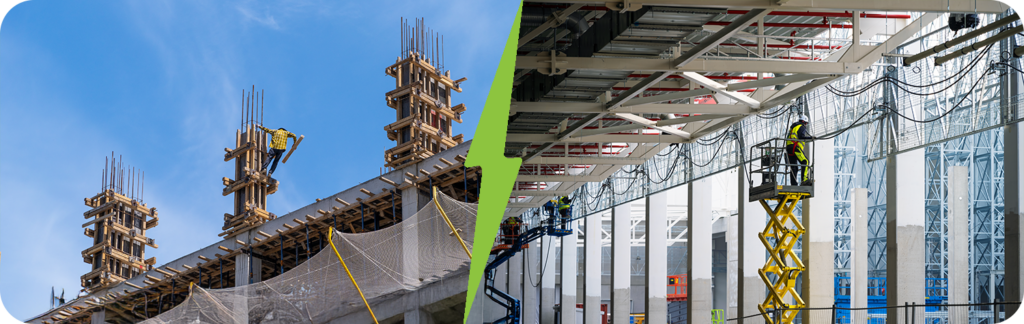
Accueil Blog Culture de la sécurité ou “ théâtre de la sécurité ” : protégez-vous réellement vos salariés ou vous contentez-vous de faire semblant ? Sécurité et moral, ou poudre aux yeux… Par RDadiz Facebook LinkedIn Certains lieux de travail font grand cas de la sécurité. Des affiches sur les murs. Des slogans dans les e-mails. Peut-être même une banderole « La sécurité avant tout » accrochée dans la salle de pause. Mais quand on y regarde de plus près, tout cela n’est que de la poudre aux yeux. C’est ce qu’on appelle le « théâtre de la sécurité » : des règles qui existent sur le papier, mais pas dans la pratique. Une véritable culture de la sécurité, c’est autre chose. Il ne s’agit pas de donner l’impression d’être en conformité, mais de préserver la vie des gens. Une véritable culture de la sécurité signifie que les travailleurs ne se contentent pas de respecter les règles parce qu’ils y sont obligés. Ils les respectent parce qu’ils comprennent pourquoi elles existent. Il s’agit de passer d’une perception de la sécurité comme un fardeau à celle d’une nécessité. Les entreprises qui ne se concentrent que sur les apparences se retrouvent avec des travailleurs qui font les choses machinalement. Pendant ce temps, les véritables dangers restent sans contrôle. Lorsque cela se produit, la question n’est pas de savoir si un accident va se produire, mais quand. La différence entre culture et « théâtre de la sécurité » Le « théâtre de la sécurité » désigne des politiques qui font bonne figure sur le papier mais qui, en réalité, n’empêchent pas les accidents. Il s’agit notamment d’une paperasserie excessive, de règles inutiles concernant les EPI et de procédures obsolètes que personne ne respecte. À l’inverse, la culture de la sécurité, c’est lorsque les travailleurs, à tous les niveaux, accordent la priorité à la sécurité. Ils ne se contentent pas d’en parler. Ils prennent des mesures concrètes pour l’intégrer dans leur travail quotidien et leur prise de décision. Dans une culture de la sécurité solide, les travailleurs ont la confiance nécessaire pour mettre fin à tout travail dangereux. Les raccourcis ne sont pas ignorés, et la formation est plus qu’une simple obligation : c’est une priorité. Une culture de la sécurité solide signifie que les travailleurs se sentent habilités à mettre fin à tout travail dangereux. Cela signifie que les raccourcis ne sont pas ignorés. Cela signifie que la formation n’est pas qu’une formalité, mais une priorité. Lorsque le « théâtre de la sécurité » prend le dessus, les entreprises créent un faux sentiment de sécurité. Les travailleurs peuvent supposer qu’ils sont en sécurité simplement parce que des procédures existent. Mais si ces procédures ne sont ni testées ni appliquées, elles ne servent à rien. Une véritable culture de la sécurité ne consiste pas à cocher des cases. Il s’agit de s’assurer que chaque travailleur rentre chez lui sain et sauf. Les signes du « théâtre de la sécurité » Certaines entreprises pensent donner la priorité à la sécurité, mais en réalité, elles se contentent de cocher des cases. Voici comment faire la différence : Une paperasserie sans fin, mais aucune application concrète. Si des rapports sont remplis mais que les dangers ne sont pas éliminés, ce n’est que du théâtre. Des travailleurs qui ont peur de signaler des problèmes de sécurité. Si s’exprimer entraîne une sanction ou est ignoré, la sécurité n’est qu’une façade. Des promesses en l’air de la part de la direction. Si les responsables privilégient la productivité au détriment de la sécurité, leurs véritables priorités sont claires. Des formations obsolètes ou inadaptées. Si les travailleurs n’apprennent rien d’utile, la formation n’est qu’une case à cocher. On s’attache à blâmer les travailleurs plutôt qu’à corriger les systèmes. Une véritable sécurité s’attache aux causes profondes, et pas seulement à celui qui a commis une erreur. Aucun suivi après les incidents. Si des accidents se produisent mais que rien ne change, la sécurité n’est pas une véritable priorité. Des règles uniformes. Chaque secteur présente des risques différents ; les politiques générales ne répondent pas aux dangers réels. On se soucie davantage de la conformité que de la protection réelle. Respecter la loi est important, mais la véritable sécurité va au-delà des exigences minimales. Les coûts cachés du « théâtre de la sécurité » Une entreprise qui traite la sécurité comme une mise en scène plutôt que comme une pratique joue un jeu dangereux. Les coûts cachés du « théâtre de la sécurité » vont au-delà des taux d’accidents : Désengagement des employés. Lorsque les travailleurs savent que la sécurité n’est qu’une mise en scène, ils cessent de la prendre au sérieux. Problèmes réglementaires. Les responsables de la conformité ne sont pas dupes. Les entreprises qui simulent la sécurité finiront par se voir infliger des amendes ou des fermetures. Rotation accrue du personnel. Les employés ne restent pas là où ils ne se sentent pas en sécurité. Des taux d’accidents élevés entraînent des taux de départ élevés. Responsabilité juridique. Simuler la sécurité ne tiendra pas la route devant un tribunal. Les entreprises peuvent être poursuivies pour négligence si elles ne protègent pas leurs travailleurs. Instaurer une véritable culture de la sécurité Mettre fin au « théâtre de la sécurité » exige un engagement réel. Voici comment les lieux de travail peuvent passer de la mise en scène à la protection : Donner aux travailleurs les moyens de s’exprimer. Les travailleurs doivent se sentir en sécurité pour interrompre leur travail s’ils constatent une situation dangereuse. Ils doivent avoir la certitude que le signalement des dangers n’entraînera pas de représailles. Donner la priorité aux formations pertinentes. Oubliez les vidéos de sécurité génériques. Sensibilisez les travailleurs aux risques spécifiques auxquels ils sont confrontés au quotidien. Résolvez les problèmes, ne vous contentez pas de les consigner. Signaler un danger ne suffit pas : les entreprises doivent y remédier. Demandez des comptes aux dirigeants. La sécurité commence au sommet. Si la direction ne respecte pas les règles, les travailleurs ne le feront pas non plus. Mesurez la sécurité à l’aune des actions, pas de la paperasse. Suivez les mesures de sécurité concrètes telles que les rapports d’accidents évités de justesse, les corrections apportées aux dangers et les retours des travailleurs. Ne vous contentez pas de compter le nombre de formulaires remplis. Encouragez des exercices de sécurité réalistes. Un exercice d’évacuation incendie où tout le monde se dirige tranquillement vers une sortie ne suffit pas. Rendez les exercices réalistes. Ajoutez de la pression. Mettez les travailleurs à l’épreuve dans des situations qui reproduisent des urgences réelles. Récompensez les comportements sûrs. Lorsque les travailleurs prennent des décisions soucieuses de la sécurité, reconnaissez-le. Le renforcement positif favorise de meilleures habitudes que la punition. Investissez dans les bons équipements de sécurité. Si un lieu de travail exige le port d’EPI, assurez-vous qu’ils soient confortables et pratiques. Les employés sont plus enclins à utiliser un équipement bien ajusté qui ne les gêne pas dans leur travail. Intégrez la sécurité dans les conversations quotidiennes. La sécurité ne doit pas se limiter à un sujet abordé lors d’une réunion mensuelle. Elle doit être discutée sur les chantiers, lors des réunions avant le début du service et pendant les sessions de formation. Contrôlez régulièrement les pratiques de sécurité. Ne partez pas du principe que les consignes sont respectées, vérifiez-les. Réalisez des audits de sécurité inopinés et corrigez immédiatement les problèmes. Exemples de culture de la sécurité vs « théâtre de la sécurité » : imaginez un entrepôt qui prétend faire de la sécurité une priorité. Des affiches recouvrent les murs et des sessions de formation sont organisées régulièrement. Mais en réalité, les travailleurs sont poussés à atteindre des quotas impossibles. Les caristes négligent de boucler leur ceinture de sécurité. Les infractions à la sécurité sont balayées d’un revers de main au nom de la productivité. Finalement, un accident se produit, et soudain, tous ces risques ignorés se transforment en conséquences réelles. Comparons maintenant cela à une entreprise de construction qui adopte une approche différente. Après un incident évité de justesse, elle ne se contente pas de le passer sous silence. Elle commence à organiser des réunions quotidiennes sur la sécurité et encourage activement les travailleurs à signaler les incidents évités de justesse. Au lieu d’ignorer les risques potentiels, elle les aborde de front. Les travailleurs sont récompensés lorsqu’ils prennent la sécurité au sérieux, ce qui renforce une culture où le fait de s’exprimer est valorisé. Au fil du temps, le nombre d’accidents diminue et les travailleurs s’impliquent davantage dans les efforts de sécurité. L’entreprise se forge une réputation d’entreprise qui privilégie la protection plutôt que la rapidité de production. La différence entre une culture de la sécurité et une « mise en scène de la sécurité » réside dans