

Pourquoi le contrôle intelligent des documents est essentiel pour la conformité en matière de sécurité

Dans les industries axées sur la sécurité, la gestion documentaire n'est pas une option, c'est essentiel. Découvrez comment un SGD aide les entreprises canadiennes à rester conformes, à éviter la confusion et à protéger des vies grâce à une documentation de sécurité accessible et à jour.
The Most Overlooked PPE That Could Save Your Life
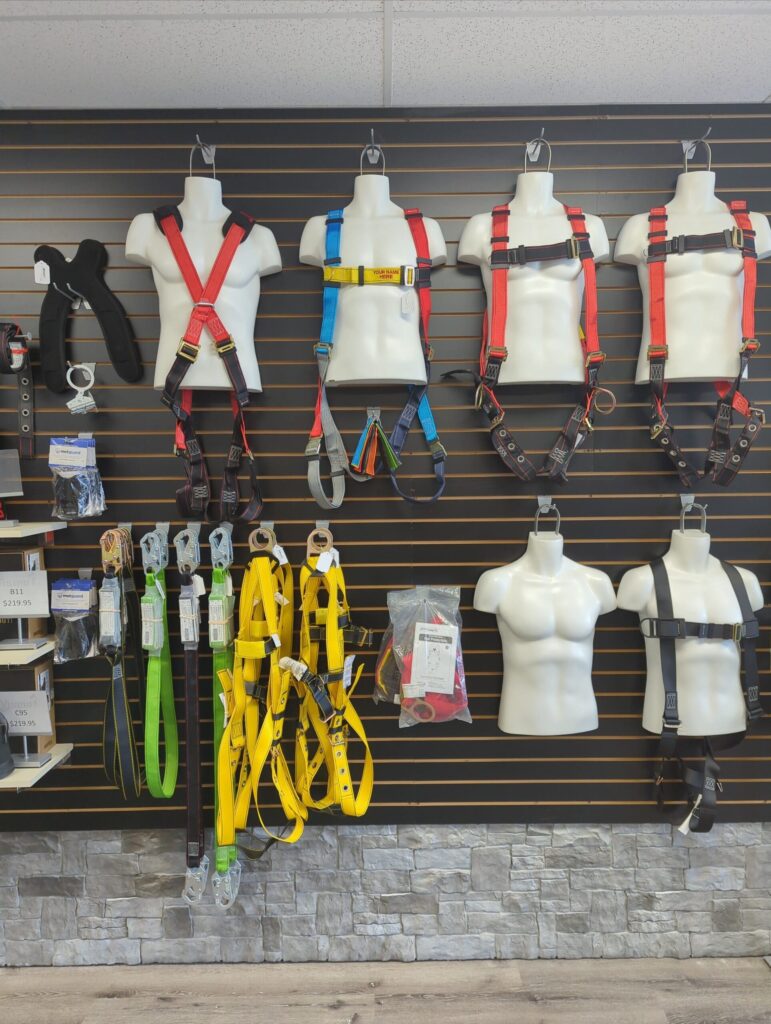
Too many workers overlook critical PPE like earplugs, respirators, and gloves, risking serious injury or death, Learn why proper gear use matters, Discover real quotes from safety professionals and workers, Understand how discomfort is no excuse for skipping protection, Get actionable advice for choosing and using PPE correctly, From fall protection to goggles—see what gear gets ignored and why.
Une nouvelle frontière ou un mirage high-tech ? La vérité sur la technologie de sécurité

L'IA améliore-t-elle la sécurité au travail ou surestime-t-elle sa protection ? Des EPI intelligents à l'analytique prédictive, explorez comment la technologie transforme la prévention des dangers, la confiance des travailleurs et la culture.
Des symboles à la sécurité : décoder la réglementation TGD pour un transport plus sûr

Décoder le Règlement TMD pour améliorer la sécurité des transports, assurer une classification et une documentation précises, prévenir les risques de mauvaise manipulation et renforcer la conformité réglementaire.
Perspective du partenaire : Formation sécurité de KBR
Accueil Partenaires BIS Point de vue d’un partenaire : KBR Safety Training – Proposer des formations à la sécurité plus efficaces grâce à BIS Par DanAdminCAD Facebook LinkedIn Dans les secteurs à haut risque tels que le pétrole et le gaz, garantir la sécurité sur le lieu de travail n’est pas seulement une obligation réglementaire à respecter, c’est une nécessité quotidienne. Avec des équipes de terrain travaillant 24 heures sur 24 et réparties sur de vastes distances, le besoin d’une formation accessible et de haute qualité est plus crucial que jamais. Pour un cadre supérieur de KBR Safety Training, le défi était clair : comment garantir une formation cohérente et conforme à l’ensemble d’un effectif important et dispersé, tout en rationalisant les frais administratifs ? Après des recherches approfondies sur les systèmes de gestion de l’apprentissage et les solutions de formation à la sécurité, KBR a trouvé la réponse avec BIS Safety Software, une plateforme qui offrait non seulement des outils performants, mais aussi une opportunité stratégique d’aider d’autres acteurs du secteur à faire de même. Rechercher la simplicité dans un environnement complexe KBR Safety Training a été créé avec une mission précise : trouver et proposer des contenus de formation à la sécurité efficaces, accessibles à tout moment et en tout lieu. Il ne s’agissait pas d’un projet secondaire, mais d’une initiative stratégique conçue pour répondre aux besoins de formation en interne tout en apportant de la valeur ajoutée à d’autres organisations opérant dans des environnements tout aussi complexes et sensibles en matière de sécurité. “ Nous n’avions pas simplement besoin d’un portail de formations. Il nous fallait un système capable d’évoluer, de garantir la conformité et de simplifier les choses pour les équipes sur le terrain. Après avoir évalué plus d’une douzaine de plateformes, BIS s’est clairement imposé comme le choix gagnant. ” Responsable senior chez KBR De l’expérience utilisateur fluide à la vaste bibliothèque de formations, en passant par de puissantes fonctionnalités administratives, BIS offrait un écosystème de formation complet. La solution était compatible à la fois avec les réglementations canadiennes et américaines, un facteur essentiel pour les organisations opérant des deux côtés de la frontière, et fournissait des outils capables d’évoluer au rythme de l’entreprise. Les outils qui ont fait la différence Alors que de nombreux systèmes promettaient une formation rationalisée, la direction de KBR a constaté que BIS se démarquait dans deux domaines clés où les autres solutions faisaient défaut : 1. La matrice de formation Le suivi de la formation des employés est souvent l’une des tâches les plus chronophages et les plus sujettes aux erreurs pour les équipes chargées de la sécurité et des ressources humaines. La matrice de formation de BIS a simplifié cela instantanément, offrant une visibilité en temps réel sur : Qui est formé à quoi ? Quand les certifications expirent-elles ? Quelle formation est obligatoire pour chaque poste ? Les lacunes susceptibles d’affecter la conformité. “ La matrice de formation est incroyable ”, a noté le responsable. “ Elle nous apporte un niveau de clarté dont nous ne disposions pas auparavant, que nous gérions dix personnes ou plusieurs centaines. ” 2. Gestion des dossiers des conducteurs La gestion des conducteurs de poids lourds s’accompagne d’un ensemble unique de défis en matière de conformité, en particulier lors des audits. KBR a utilisé les outils de gestion des dossiers des conducteurs de BIS pour regrouper l’ensemble des informations (permis, certifications, évaluations de performance, etc.) dans un emplacement unique et facilement consultable. “ La matrice de formation est incroyable ”, a noté le responsable. “ Elle nous apporte un niveau de clarté dont nous ne disposions pas auparavant, que nous gérions dix personnes ou plusieurs centaines. ” Ces outils ont non seulement permis de gagner du temps, mais aussi de réduire le stress des responsables et des équipes, en garantissant que les dossiers ne soient jamais obsolètes et qu’aucun document ne se perde dans la masse. Transformer un outil en partenariat Ce qui a commencé par la recherche d’une solution logicielle s’est transformé en quelque chose de plus : un partenariat stratégique. En devenant partenaire agréé de BIS Safety Software, KBR Safety Training aide désormais d’autres entreprises de son réseau à accéder aux mêmes outils puissants qui ont transformé ses propres opérations. “ Nous faisons confiance à BIS pour nos opérations internes, et c’est cette confiance qui nous pousse à le recommander à d’autres ”, a déclaré le responsable. “ Il ne s’agit pas simplement de revendre des formations. Il s’agit d’aider d’autres entreprises à atteindre le même niveau de conformité et de tranquillité d’esprit. ” Grâce à ce partenariat, KBR soutient non seulement ses équipes internes, mais donne également aux autres organisations du secteur pétrolier et gazier les moyens d’agir en leur fournissant les outils dont elles ont besoin pour protéger leur personnel, réussir leurs audits et garder une longueur d’avance sur l’évolution de la réglementation. Conclusion : pourquoi il est essentiel de choisir le bon partenaire Alors que les exigences réglementaires se renforcent et que le besoin d’une formation rationalisée devient une nécessité universelle, des entreprises comme KBR démontrent que les bons outils et les bons partenariats peuvent faire toute la différence. Avec BIS Safety Software, elles ont trouvé bien plus qu’une simple plateforme. Elles ont trouvé un partenaire qui partage leurs valeurs et leur permet de concrétiser leur vision. Que vous soyez responsable de la sécurité, responsable des ressources humaines ou dirigeant opérationnel à la recherche de meilleures solutions de formation, le parcours de KBR montre ce qu’il est possible de réaliser lorsque la technologie et les objectifs vont de pair. En savoir plus sur la formation à la sécurité de KBR Qu’est-ce qui distingue Training Source ? La formation à la sécurité de KBR a été créée avec un objectif clair : faciliter l’accès des entreprises à des formations à la sécurité fiables et conformes via une plateforme de confiance. En s’associant à BIS Safety Software, KBR offre à ses clients un accès simplifié à une vaste bibliothèque de formations reconnues par le secteur, disponibles en ligne 24 h/24 et 7 j/7, et adaptées pour répondre aux normes réglementaires en vigueur en Amérique du Nord. Des formations efficaces dans la pratique KBR ne se contente pas de revendre des cours : l’entreprise utilise les outils BIS en interne pour garantir la conformité, réussir les audits et améliorer les performances en matière de sécurité dans l’ensemble de ses activités. Des fonctionnalités telles que la matrice de formation et le système de gestion des dossiers des conducteurs ont permis de simplifier la tenue des registres et de réduire considérablement le temps de préparation aux audits. Perspectives d’avenir : l’avenir de la formation à la sécurité chez KBR En tant que partenaire agréé de BIS Safety Software, KBR Safety Training s’engage à aider ses clients à adopter de meilleurs systèmes de sécurité, à dispenser une formation cohérente et à maintenir une conformité réglementaire totale. L’avenir de la sécurité réside dans des outils intelligents, et KBR est là pour les rendre plus accessibles. Suivez-nous ! Restez informé des derniers articles à la une, des podcasts, du magazine SafetyNET ou de notre ouvrage sur le leadership pour l’excellence en matière de sécurité. Toutes les mises à jour seront partagées sur nos réseaux sociaux ; cliquez ci-dessous pour nous suivre. Facebook LinkedIn Articles connexes Tous les articles #EmergencyPreparedness Tendances 2025 en matière de sécurité 360 Immersive 360immersive Sécurité 6S prévention des accidents carrières accidentelles responsabilité postes de travail réglables formation pour adultes AFAD IA automatisation mise en œuvre de l’IA l’IA dans les entreprises l’IA dans les opérations l’IA dans la sécurité podcast sur l’IA stratégie en matière d’IA transformation par l’IA Airborne Risques Sécurité en Alberta Formations à la sécurité en Alberta Allan James Moore Ammoniac anhydre Intelligence artificielle Demander de l’aide Conclusions d’audit Préparation à l’audit Rapports d’audit Flux de travail automatisés pour la conformité Automatisation dans le domaine de la sécurité Stratégie d’automatisation Blessures évitables Sensibilisation Aztec Safety Lésions dorsales Intégration BambooHR Sécurité liée aux ours Sécurité comportementale- sécurité comportementale Sécurité comportementale Meilleur logiciel EHS pour le Canada Capteurs biométriques Podcast BIS Podcasts sur la sécurité BIS Sécurité BIS
BambooHR & BIS
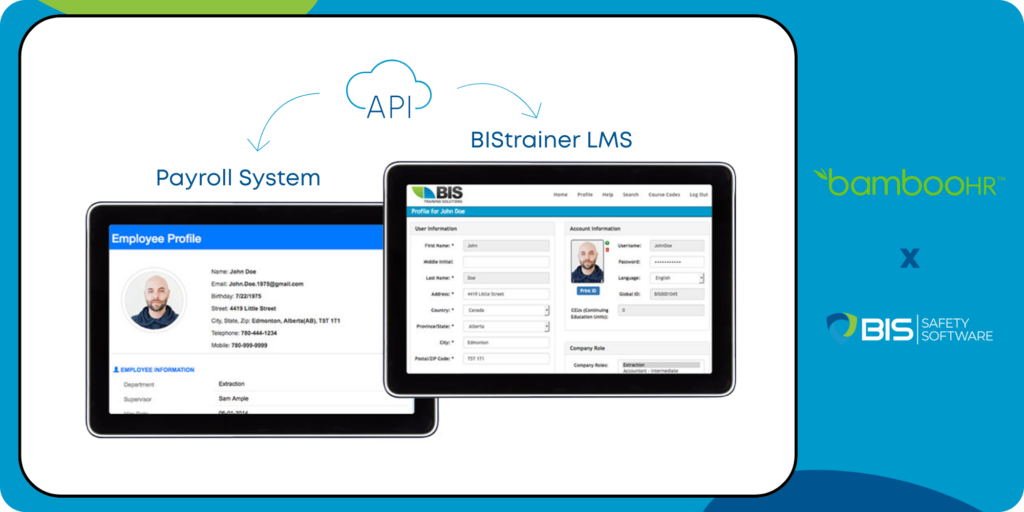
BambooHR & BIS Simplifying HR and Safety Management Together at last! By DanAdminCAD Facebook LinkedIn Exciting news! BambooHR is now fully integrated with BIS Safety Software. Companies are already using BambooHR for hiring, onboarding, and employee management. Now they can seamlessly connect their HR data with safety training and compliance tracking. Eliminate double data entry, reduce errors, and save valuable time. For businesses that balance both HR and safety compliance, this integration means smoother workflows, better data accuracy. It means a stronger overall system for managing employees, from their first day to their next certification renewal. Why BambooHR? BambooHR is built for companies that want an easy, intuitive HR platform. It streamlines hiring, onboarding, time tracking, benefits, and performance management. But what it doesn’t handle natively is workplace safety training and compliance management, critical for industries with regulatory requirements. That’s where the integration with BIS Safety Software comes in. By linking BambooHR with BIS Safety Software, businesses can keep all employee information in sync. No more manual data entry. No more worrying about outdated records. Just one system, updated automatically, working together to keep HR and safety teams aligned. How Integration Works BambooHR’s integration is simple. BambooHR acts as the central hub for employee data. BIS Safety Software ensures that training records, certifications, and compliance details stay updated. Here’s how it works at a high level: 1. Automatic Data Sync When a new employee is added to BambooHR, their information is automatically pushed to BIS Safety Software, no need to enter the same details twice. 2. Training and Certification Tracking As employees complete training, their records update in BIS Safety Software and sync back to BambooHR. This ensures HR teams always have the latest compliance status. 3. Seamless Offboarding When an employee leaves, their records are removed from both systems, preventing outdated information from lingering and streamlining audits. 4. Real-Time Updates When a new employee is added to BambooHR, their information is automatically pushed to BIS Safety Software, no need to enter the same details twice. The result? A fully connected system where HR and safety management work hand in hand, making sure employees are trained, compliant, and always up to date. The Benefits for Customers For businesses juggling HR responsibilities and safety compliance, this integration is a game-changer. Here’s what it means in practice: 1 No More Double Entry HR teams won’t have to enter employee data into two different systems. Save time and reduce the risk of errors. 2 Always Up-to-Date Compliance Records When training or certifications expire, HR teams get real-time updates, preventing compliance gaps. 3 Faster Onboarding New employees can be automatically assigned training based on their role. This ensures they meet safety requirements from day one. 4 Better Workforce Insights With HR and safety data in one place, companies get a clearer picture of their workforce’s readiness and compliance. 5 Simplified Audits When auditors come knocking, HR and safety teams can pull up accurate, real-time records in seconds, no scrambling, no searching. A Smarter Way to Manage HR and Safety The integration between BambooHR and BIS Safety Software brings together the best of both worlds. It keeps HR teams focused on people. It keeps safety teams focused on compliance. It keeps employees moving through their training and career milestones without friction. For companies looking to simplify their HR and safety processes, this is the kind of efficiency that makes a difference. Save time, reduce risk, and ensure a safer, more compliant workforce. One system, two essential functions, finally working together the way they should. Follow us! Stay up-to-date with the latest spotlight articles, podcasts, the SafetyNET Magazine, or our book on Leadership for Safety Excellence. All updates will be shared on our social channels, click below to follow us. Facebook Linkedin Related Articles All Posts #EmergencyPreparedness 2025 safety trends 360 Immersive 360immersive 6S Safety accident prevention accidental careers accountability adjustable workstations adult education AFAD AI automation AI implementation AI in business AI in operations AI in Safety AI podcast AI strategy AI transformation Airborne Hazards Alberta safety Alberta safety courses Allan James Moore Anhydrous Ammonia artificial intelligence asking for help audit findings audit readiness Audit Reporting automation in safety automation strategy avoidable injuries awareness Aztec Safety back strain BambooHR integration Bear safety behavior-based safety Behavioral Safety behavioural safety biometric sensors BIS Podcast BIS Safety Podcasts BIS Safety Software BIS Safety Spotlight black holes Blame Culture Blue Angels Boom Lift Safety BP Texas City Explosion Brave Leadership Brett Burkard bump test burnout business automation calibration call before you dig Canadian Compliance Canadian OHS Canadian safety Canadian safety history Canadian Safety Regulations Canadian safety standards Canadian wilderness safety carbon monoxide Cargo Securement Carolynne Heron CCOHS chemical Chemical Safety chemical vapors chronic injuries chronic pain cloud-based safety tools Coming Soon Commercial Drivers Commercial Vehicle Safety Communication in Safety Communication Systems community safety programs Competency in Safety complacency in safety Compliance compliance courses Compliance In Canada compliance issues Compliance management Compliance Reporting compliance software compliance tools compliance tracking compliance training compliance vs protection confined space Confined Space Safety Construction advocacy Construction education Construction industry construction safety construction safety training construction technology ConstructionSafety continuous improvement continuous safety improvement corporate culture corporate training corrective actions CPR and AED crane CSA standards Customer Spotlight Customer Spotlight Kevin Swinden Global Hazmat Safety Culture Hazmat Management Dangerous Goods Competency in Safety Workplace Risk Mitigation BIS Training Clients Canadian EHS customized training daily trip inspection Damage Prevention Dangerous Goods dangerous goods classification Danny Sellers data-driven safety debriefing Decision Analysis Decision quality defect management defect tracking defensive driving DEI in onboarding digital badges digital compliance digital FLHA digital forms Digital Hazard Reporting Digital Onboarding digital safety Digital Safety Audits digital safety meetings Digital Safety Solutions Digital safety systems digital safety tools digital safety transformation digital site access Digital Training Tools digital transformation DMS features document control document management system Dr. Joanna Pagonis Dr. Tom Krause Driver Fatigue driver file management driver training driving instructor program DTRMS Duty-Time Management e-learning e-learning tools eadership in safety
Make Your Incident Data Work For You
Home Blog Make Your Incident Data Work For You Turn Numbers into Actionable Insights By DanAdminCAD Facebook LinkedIn Every workplace safety program generates incident data, but not all organizations know how to make the most of it. Incident reports, near-miss logs, and safety observations provide more than just numbers, they reveal patterns, highlight risks, and offer a roadmap for improvement. The challenge lies in translating this raw data into clear, actionable insights that drive meaningful change. Without the right strategies, data can remain an untapped resource, leaving organizations reactive instead of proactive. This guide explores how to analyze incident data effectively, identify trends, and use those insights to enhance workplace safety. Why Incident Data Matters Incident data isn’t just a record of what’s gone wrong, it’s a tool for understanding the “why” behind workplace risks. Every report contains valuable information about hazards, behaviors, and system failures that contribute to incidents. When analyzed effectively, this data helps organizations: Identify Patterns Highlight recurring risks and pinpoint high-risk areas, equipment, or processes. Drive Preventive Measures Use trends to implement targeted safety improvements before incidents escalate. Support Compliance Provide documentation that demonstrates a proactive approach to safety during audits. Boost Accountability Show clear links between safety initiatives and outcomes, reinforcing a culture of responsibility. By leveraging incident data, safety managers can shift from reacting to problems to preventing them entirely. Step 1: Collect Consistent, High-Quality Data The foundation of actionable insights is reliable data. Inconsistent or incomplete incident reporting undermines your ability to draw meaningful conclusions. Standardized Reporting Forms Ensure every incident report includes key details such as date, time, location, individuals involved, and a clear description of the event. Encourage Near-Miss Reporting Near-misses are early warning signs of potential hazards. Make it easy and non-punitive for employees to report them. Use Mobile Tools Digital reporting systems streamline data collection and reduce errors compared to paper-based processes.Case Study: A logistics company implemented a mobile app for near-miss reporting. Within six months, reports increased by 40%, uncovering trends related to poorly marked loading zones. Addressing these issues reduced incidents by 25% the following quarter. Step 2: Centralize and Organize Your Data Scattered data creates blind spots. Consolidating all incident reports, safety observations, and inspection logs into a centralized system ensures nothing slips through the cracks. How to Centralize Effectively Use Safety Management Software Platforms designed for workplace safety consolidate data into a single dashboard, making it easy to analyze trends. Tag and Categorize Data Organize reports by type, location, equipment, or contributing factors to identify recurring issues. Integrate With Existing Systems Ensure your safety software connects with HR, maintenance, and compliance platforms to provide a comprehensive view. Pro Tip: Regularly review your data for completeness and consistency. Missing or inaccurate information can skew results and lead to flawed conclusions. Step 3: Analyze for Patterns and Trends Once your data is centralized, the next step is to identify patterns that point to underlying risks. Look for clusters of similar incidents or recurring hazards across locations. What to Look For Recurring Equipment Failures Are specific machines or tools involved in multiple incidents? Time-Based Trends Do incidents spike during certain shifts or seasons? Location-Specific Risks Are certain areas of your facility more prone to hazards?Example in Action: A manufacturing plant noticed a pattern of injuries involving workers replacing conveyor belts during peak shifts. The analysis revealed that time pressures led to shortcuts in safety procedures. By scheduling maintenance during slower periods and providing additional training, the company reduced injuries by 30%. Step 4: Translate Insights Into Actionable Changes Data is only as valuable as the actions it inspires. Once trends are identified, use them to implement targeted improvements. Strategies for Acting on Insights Revise Policies Update safety protocols to address identified risks, such as enhanced procedures for high-risk tasks. Targeted Training Provide specific training sessions based on the most common incident types or contributing factors. Engineering Controls Modify equipment, tools, or workspaces to eliminate hazards entirely. Case Study: A construction company analyzed incident reports and found that ladder-related falls were a recurring issue. They introduced new ladder inspection protocols, provided hands-on training, and replaced aging equipment. The result? A 50% decrease in ladder-related injuries within a year. Step 5: Share Insights With Your Team Transparency is key to fostering a safety-first culture. Sharing insights from incident data helps employees understand risks and reinforces their role in creating a safer workplace. How to Communicate Effectively Visual Dashboards Use charts, graphs, and heatmaps to make data easy to understand. Regular Safety Meetings Discuss trends and progress during team huddles or monthly safety reviews. Highlight Successes Celebrate reductions in incidents or near-misses to keep morale high and motivate continued participation.Pro Tip: Frame discussions around “how we can improve” rather than assigning blame. A solutions-focused approach encourages openness and collaboration. Step 6: Monitor and Measure Results Implementing changes is only part of the process. Continuously monitoring outcomes ensures your actions are effective and helps refine your approach over time. Metrics to Track Incident Reduction Are reported incidents decreasing after implementing changes? Employee Engagement Are workers participating more actively in reporting and training? Audit Performance Has compliance improved during inspections or audits?Example in Action: After a healthcare facility introduced monthly safety meetings and revamped reporting protocols, they saw a 20% reduction in patient-handling injuries within six months. Tracking these metrics highlighted the direct impact of their efforts. How Technology Enhances the Process Modern safety management software is an invaluable tool for turning data into actionable insights. Automation and analytics features simplify every step of the process, from data collection to trend analysis. Key Features to Look For Real-Time Reporting Capture incidents and near-misses instantly with mobile tools. Automated Analytics Generate reports that highlight patterns and trends without manual effort. Customizable Dashboards Visualize data in a way that’s meaningful to your organization’s goals. Pro Tip: Choose software that integrates seamlessly with existing systems, ensuring all relevant data flows into a single platform. The Bottom Line: Turn Data Into Action Incident data is
The Safety Metrics That Matter

Home Blog The Safety Metrics That Matter How to Track and Improve Workplace Safety By RDadiz Facebook LinkedIn Safety in the workplace isn’t just a box to check, it’s a strategy that impactsproductivity, morale, and compliance. But how do you know if your safety efforts are truly working? Tracking the right metrics provides the clarity needed to assess your current programs, identify risks, and drive continuous improvement. Metrics are more than numbers, they’re a window into your organization’sstrengths and weaknesses. The right data shows what’s working, where gaps exist, and how to make real progress. This guide explores the key safety metrics every organization should track, why they matter, and how they can build a stronger, safer culture. Why Metrics Are Essential for Safety Management It’s easy to assume that safety efforts are effective simply because there hasn’t been a recent incident. But this reactive mindset leaves organizations vulnerable. Metrics allow you to move beyond assumptions and take a proactive approach. Here’s why tracking safety metrics is critical: Identify Trends: Metrics uncover patterns in incidents, near-misses, and compliance gaps, providing actionable insights. Set Priorities: Clear data highlights where to focus your efforts,whether it’s a particular department, process, or hazard. Measure Success: Safety initiatives need measurable goals. Metrics show whether you’re meeting them or need to adjust. Improve Accountability: Transparent data ensures everyone, from frontline workers to executives, understands their role in improving safety. Safety metrics turn vague objectives like “reduce accidents” into specific, trackable actions. They’re the foundation of a safety program that delivers real results. Key Takeaways The best safety programs are built on data, not assumptions. Metrics give leaders the visibility they need to prioritize, improve, and stay proactive. Leading indicators like near-miss reports and safety observations drive real change. They spotlight risk before it becomes an incident. Tracking compliance and training completion keeps your workforce prepared, and your business protected. It’s not just about meeting requirements; it’s about readiness. Technology turns data into decisions. Automation and dashboards streamline tracking, improve accuracy, and help you measure what really matters. The Safety Metrics That Matter Most Tracking safety data can feel overwhelming, especially with so many variables at play. To make the process manageable, focus on these key metrics that provide the most insight into your workplace safety efforts: 1. Incident Rates: The Safety Baseline What It Measures: The number of workplace injuries or illnesses over a specific period, often calculated per 100 full-time employees. Why It Matters: Incident rates are a critical measure of workplacesafety. A high rate signals systemic issues, while a declining rateindicates progress. How to Track: Calculate Total Recordable Incident Rate (TRIR) andcompare it against industry benchmarks. Break the data down further bydepartment or job role to identify problem areas. Example in Action: A manufacturing company notices its TRIR is higher than the industry average. By analyzing incident reports, they discover most injuries occur during equipment maintenance. This insight leads to additional training and updated safety protocols, reducing incidents over time. 2. Near-Miss Reports: Catching Problems Early What It Measures: Situations where an accident was narrowly avoided, such as a worker tripping over an unsecured cable but notfalling. Why It Matters: Near-misses provide critical warnings about potential hazards. They’re opportunities to fix problems before theycause harm. How to Track: Implement an easy-to-use reporting system and actively encourage workers to log near-misses. Track trends to pinpointrecurring risks. Example in Action: A manufacturing company notices its TRIR is higher than the industry average. By analyzing incident reports, they discover most injuries occur during equipment maintenance. This insight leads to additional training and updated safety protocols, reducing incidents over time. 3. Compliance Scores: Staying Ahead of Regulations What It Measures: How well your organization meets regulatory safety standards and internal policies Why It Matters: Falling out of compliance can lead to hefty fines, reputational damage, and operational delays. High compliance scoresindicate your processes are robust and up-to-date. How to Track: Conduct regular audits, inspections, and reviews of safety documentation. Use safety management software to streamlinecompliance tracking. Example in Action: During a routine audit, a logistics company identifies gaps in their chemical storage compliance. By updating training and implementing automated alerts for inspections, they prevent violations and maintain their safety record. 4. Training Participation and Completion: Building a Prepared Workforce What It Measures: The percentage of employees who have completed required safety training, as well as refresher courses. Why It Matters: Training ensures workers have the knowledge and skills to handle risks effectively. Low participation rates can indicategaps in your safety program. How to Track: Monitor training attendance and completion rates using a learning management system (LMS). Analyze data by team ordepartment to identify weak spots. Example in Action: : A healthcare provider notices low completion rates for fire safety training among night-shift staff. They adjust training schedules to accommodate night workers, increasing compliance and preparedness. 5. Safety Observations: Proactive Risk Management What It Measures: Observations conducted by managers or safety teams to evaluate workplace conditions and behaviors. Why It Matters: : Regular safety observations catch potential hazardsand reinforce accountability. They also provide insight into how wellsafety policies are being followed. How to Track: : Use standardized checklists during observations and log findings in a centralized system. Look for recurring issues and trackimprovements over time. Example in Action: : A food processing plant conducts monthly safety observations and notices inconsistent use of PPE in certain areas. They respond by reinforcing training and updating signage, improving compliance. How Tracking Metrics Drives Improvement What It Measures: Observations conducted by managers or safety teams to evaluate workplace conditions and behaviors. Why It Matters: : Regular safety observations catch potential hazards and reinforce accountability. They also provide insight into how wellsafety policies are being followed. How to Track: : Use standardized checklists during observations and log findings in a centralized system. Look for recurring issues and trackimprovements over time. Example in Action: : A food processing plant conducts monthly safety observations and notices inconsistent use of PPE in certain areas. They respond
The Seven Deadly Sins That Destroy Safety Culture

Home Blog The Seven Deadly Sins That Destroy Safety Culture By RDadiz Facebook LinkedIn Even the strongest safety cultures can be dismantled by a few key missteps. These are the seven deadly sins that can erode safety standards, diminish trust, and put lives at risk. Understanding them is the first step in preventing their destructive impact. 1. Double Standards: One Rule for Some, Another for Others One of the fastest ways to destroy a safety culture is to enforce rules inconsistently. If leadership disregards safety policies while expecting employees to follow them, resentment and noncompliance will spread. Occupational Health and Safety Officer Ted Lane recalls, “I’ve seen situations where the sign on the shop door says ‘Safety glasses must be worn,’ but the boss walks in without them. If leadership doesn’t follow the rules, don’t expect anyone else to.” 2. Top-Down Directives Without Worker Input Safety policies that are dictated from the top down, without input from frontline workers, often fail. Employees who aren’t consulted see policies as bureaucratic red tape rather than measures designed to protect them. Sharon Cole, an OHS Consultant, advises, “If you’re writing a safety policy, involve the workers it will affect. They’re the ones on the frontlines, and their input makes policies practical and enforceable.” 3. Tolerating Negative Attitudes Toward Safety A single bad attitude can spread like wildfire. Workers who scoff at safety meetings, dismiss concerns, or ignore protocols undermine the organization’s culture. If their behavior is left unchecked, it signals that safety isn’t truly a priority. Ted Lane emphasizes, “Zero tolerance for bad safety performance is crucial. Whether it’s the boss’s son or your most experienced worker, if they refuse to comply with safety rules, they need to go.” 4. Shifting Priorities: Safety Takes a Back Seat Many companies claim safety is their top priority, until deadlines or costs are at stake. When safety is sacrificed for productivity, employees receive a clear message: safety only matters when it’s convenient. This erodes trust and encourages unsafe behaviors. 5. Failing to Lead by Example When supervisors and executives fail to embody the safety standards they expect from employees, it weakens the entire culture. A strong safety culture starts at the top and trickles down. Patrick Cantner, HSE Director of Willbros Canada, warns, “If you say, ‘Production done in the absence of safety will not be valued or rewarded,’ but then allow it to happen, you’ll destroy your safety culture.” 6. Punishing Workers for Reporting Issues If employees who report unsafe conditions or incidents are reprimanded instead of supported, they will stop coming forward. A culture of fear leads to underreporting, which increases risk. Marcia Minto, an OH&S Program Manager, states, “If someone reports an issue and is yelled at by management, they won’t come forward next time. Employees need to feel empowered, not afraid.” 7. Complacency: The Silent Killer Organizations that have gone a long time without an incident often become overconfident. Safety policies become lax, assumptions replace vigilance, and standards begin to slip. Over time, this complacency spreads, erasing years of hard work in building a safety culture. The moment an organization assumes it has ‘solved’ safety, it has already taken a step backward. Preventing the Seven Deadly Sins To maintain a strong safety culture, organizations must actively identify and counter these pitfalls. Leaders must lead by example, workers must feel empowered to participate, and safety must be a genuine, unwavering priority. The key takeaway? Building a safety culture is difficult, but destroying one is easy. Organizations must remain vigilant to ensure safety is not just a policy, but a deeply ingrained part of workplace operations. Follow us! Stay up-to-date with the latest spotlight articles, podcasts, the SafetyNET Magazine, or our book on Leadership for Safety Excellence. All updates will be shared on our social channels, click below to follow us. Facebook Linkedin Related Articles All Posts #EmergencyPreparedness 2025 safety trends 360 Immersive 360immersive 6S Safety accident prevention accidental careers adjustable workstations adult education AI automation AI implementation AI in business AI in operations AI in Safety AI podcast AI strategy AI transformation Alberta safety courses Allan James Moore artificial intelligence asking for help audit findings audit readiness Audit Reporting automation in safety automation strategy avoidable injuries awareness Aztec Safety back strain BambooHR integration behavior-based safety Behavioral Safety behavioural safety biometric sensors BIS Podcast BIS Safety Podcasts BIS Safety Software BIS Safety Spotlight black holes Blame Culture BP Texas City Explosion Brave Leadership Brett Burkard burnout business automation Canadian OHS Canadian safety Canadian safety history Canadian safety standards carbon monoxide Carolynne Heron CCOHS chemical chemical vapors chronic injuries chronic pain cloud-based safety tools Coming Soon community safety programs Competency in Safety complacency in safety Compliance compliance courses Compliance In Canada compliance issues Compliance management Compliance Reporting compliance software compliance tools compliance tracking compliance training compliance vs protection Construction advocacy Construction education Construction industry construction safety construction safety training continuous improvement continuous safety improvement corporate culture corporate training corrective actions crane CSA standards Customer Spotlight Customer Spotlight Kevin Swinden Global Hazmat Safety Culture Hazmat Management Dangerous Goods Competency in Safety Workplace Risk Mitigation BIS Training Clients Canadian EHS customized training daily trip inspection Damage Prevention Dangerous Goods dangerous goods classification Danny Sellers data-driven safety Decision Analysis defect management defect tracking defensive driving DEI in onboarding digital compliance digital forms Digital Hazard Reporting Digital Onboarding digital safety Digital Safety Audits Digital safety systems digital safety tools digital safety transformation Digital Training Tools digital transformation DMS features document control document management system Dr. Joanna Pagonis Dr. Tom Krause driver file management driver training driving instructor program DTRMS e-learning e-learning tools eadership in safety early intervention education technology EHS EHS Adoption EHS Compliance EHS digital solutions EHS Inspections EHS Onboarding EHS software EHS systems EHS tools Einstein electrical safety Emergency Action Plan emergency preparedness emergency response emergency supplies emotional training employee behavior employee engagement employee health Employee onboarding Employee Readiness employee safety employee training Energy Isolation ergonomic consulting ergonomic design ergonomic risks ergonomics Evacuation Procedures evidence collection