


The Most Dangerous Phrase in Safety: “We’ve Always Done It This Way”
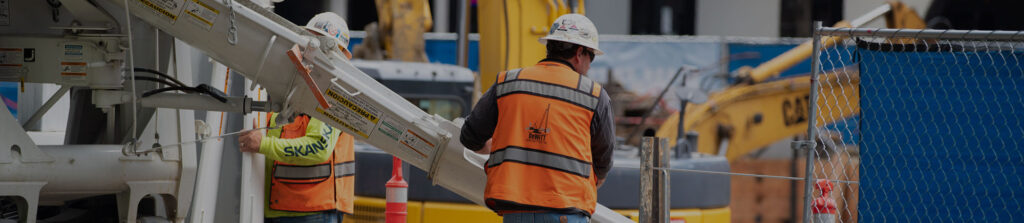
Sticking to outdated safety methods leads to avoidable risks, injuries, and fatalities, evolving safety protocols protects workers, challenging the norm drives safer workplaces, leadership and culture must support safety change, resisting new practices undermines protection
Laissez tomber la mentalité du ‘Dur à cuire’

Trop de travailleurs risquent des blessures en refusant de l'aide pour paraître coriaces. Cet article explique comment demander de l'aide et soutenir les autres renforce la sécurité de toute l'équipe.
Ce que votre premier accident de travail vous apprend (de la dure manière)

Accueil Blog Ce que votre premier accident du travail vous apprend (à vos dépens) Leçons tirées du terrain. Par DanAdminCAD Facebook LinkedIn Chaque travailleur se souvient de son premier accident du travail. Non pas parce qu’il le souhaite, mais parce que cela change à jamais sa vision de la sécurité. Peut-être s’agissait-il d’un doigt contusionné, d’une blessure au dos due à une mauvaise posture lors d’un levage, ou d’une glissade qui vous a contraint à rentrer chez vous pour la journée. Quoi qu’il en soit, cela vous a enseigné une leçon que vous n’oublierez jamais. Une leçon qui, avec le recul, aurait probablement pu être évitée. Le moment où l’on prend conscience Avant un accident, on a tendance à penser que les accidents n’arrivent qu’aux autres. Vous assistez peut-être à des réunions sur la sécurité en vous disant : “ Ouais, ouais, je sais. ” Puis, un jour, vous ne vérifiez pas une deuxième fois le verrouillage d’une machine. Vous ne mettez pas de gants. Vous prenez ce raccourci. Et soudain, la sécurité n’est plus seulement une règle au travail, c’est une affaire personnelle. Pour de nombreux travailleurs, c’est là que ça fait tilt : les règles de sécurité ne sont pas là pour vous compliquer la vie. Elles sont là pour vous aider ! Les premières blessures courantes (et ce qu’elles vous apprennent) La blessure à la main “ Je dois juste attraper ça ” Leçon apprise : les gants existent pour une bonne raison. Même un petit ajustement rapide peut vous mettre en danger. Une petite entaille aujourd’hui peut se traduire par des points de suture plus tard. Ne prenez pas de risque ! La chute d’une échelle : “ Je pensais qu’elle était stable ” Leçon apprise : vérifiez toujours que vous avez bien pied. Un moment d’excès de confiance peut vous coûter cher. La lombalgie : “ Ce n’était pas si lourd ” Leçon apprise : les techniques de levage appropriées sont essentielles. Votre colonne vertébrale ne se régénère pas. Vous n’en avez qu’une, alors soyez prudent ! “ Ça ira vite ” : le choc électrique Leçon apprise : le verrouillage et l’étiquetage ne sont pas facultatifs, point barre. Le coût Même les petites blessures ont de lourdes conséquences. Une entorse au poignet peut entraîner une perte de salaire. Une coupure grave peut vous mettre sur la touche pendant des semaines. Un moment d’inattention n’en vaut jamais la peine. Et voici le plus étonnant : la plupart des premières blessures ne surviennent pas dans des situations à haut risque. Elles se produisent lors d’actions routinières, lorsque les travailleurs pensent qu’ils sont en sécurité. Comment tirer les leçons sans en faire les frais Certaines personnes ont besoin de se blesser pour prendre la sécurité au sérieux, mais dans un monde idéal, on ne devrait pas en arriver là. Il n’y a pas de meilleur professeur en matière de sécurité que d’écouter attentivement, puis de mettre en pratique les leçons apprises. Écoutez les plus expérimentés. Si des travailleurs chevronnés vous disent : “ Ne faites pas ça ”, croyez-les. Ils ont vu ce qui peut arriver. Respectez les règles, même quand personne ne vous regarde. Le raccourci qui a fonctionné aujourd’hui pourrait ne plus marcher demain. Pensez à votre vie en dehors du travail. Votre travail est important, mais l’être tout autant de pouvoir porter vos enfants, faire du sport ou même simplement bouger sans douleur. La meilleure blessure est celle qui n’arrive jamais. Demandez à n’importe quel travailleur chevronné, et il vous le dira : s’il pouvait revenir en arrière, il agirait différemment. La meilleure façon de tirer les leçons de votre première blessure au travail ? C’est de ne pas en subir. Restez vigilant. Restez en sécurité. Car aucune leçon ne vaut la peine d’être apprise à la dure. Suivez-nous ! Restez informé des derniers articles à la une, des podcasts, du magazine SafetyNET ou de notre livre sur le leadership pour l’excellence en matière de sécurité. Toutes les mises à jour seront partagées sur nos réseaux sociaux, cliquez ci-dessous pour nous suivre. Facebook LinkedIn Articles connexes Tous les articles #EmergencyPreparedness Tendances 2025 en matière de sécurité 360 Immersive 360immersive Sécurité 6S prévention des accidents carrières accidentelles postes de travail réglables formation pour adultes IA automatisation mise en œuvre de l’IA l’IA dans les entreprises l’IA dans les opérations l’IA dans la sécurité podcast sur l’IA stratégie en matière d’IA transformation par l’IA cours de sécurité en Alberta Allan James Moore intelligence artificielle demander de l’aide conclusions d’audit préparation à l’audit rapports d’audit automatisation en matière de sécurité stratégie d’automatisation blessures évitables sensibilisation Aztec Safety lombalgie intégration BambooHR sécuritéde la sécurité Sécurité comportementale Sécurité comportementale Capteurs biométriques Podcast BIS Podcasts sur la sécurité BIS Logiciel de sécurité BIS Pleins feux sur la sécurité BIS Trous noirs Culture du blâme Explosion de BP à Texas City Leadership courageux Brett Burkard Épuisement professionnel Automatisation des entreprises SST canadienne Sécurité canadienne Histoire de la sécurité canadienne Normes de sécurité canadiennes Monoxyde de carbone Carolynne Heron CCOHS Produits chimiques Vapeurs chimiques Blessures chroniques douleurs chroniques outils deoutils de sécurité basés sur le cloud À venir programmes de sécurité communautaire Compétences en matière de sécurité complaisance en matière de sécurité Conformité cours sur la conformité Conformité au Canada problèmes de conformité gestion de la conformité rapports de conformité outils de conformité suivi de la conformité formation à la conformité conformité vs protection plaidoyer en faveur de la construction formation dans le secteur de la construction secteur de la construction sécurité dans la construction formation à la sécurité dans la construction amélioration continue amélioration continue de la sécurité culture d’entreprise formation en entreprise mesures correctives grues normes CSA Pleins feux sur un client Pleins feux sur un client : Kevin Swinden Global HazCulture de la sécurité Gestion des matières dangereuses Compétences en matière de sécurité Atténuation des risques sur le lieu de travail Clients de la formation BIS EHS canadien Formation sur mesure Inspection quotidienne des trajets Prévention des dommages Marchandises dangereuses Classification des marchandises dangereuses Danny Sellers SécuritéSécurité axée sur les données Analyse décisionnelle Gestion des défauts Suivi des défauts Conduite défensive DEI lors de l’intégration Conformité numérique Formulaires numériques Signalement numérique des risques Intégration numérique Sécurité numérique Audits de sécurité numérique Systèmes de sécurité numérique Outils de sécurité numérique Transformation numérique de la sécurité Outils de formation numérique Transformation numérique Fonctionnalités du DMS Contrôle des documents Système de gestion des documents Dr. Joanna Pagonis, Dr Tom Krause, gestion des dossiers des conducteurs, formation des conducteurs, programme de formation des moniteurs de conduite, DTRMS, e-learning, e-outils d’apprentissage en ligne leadership en matière de sécurité intervention précoce technologies éducatives EHS adoption des normes EHS conformité EHS solutions numériques EHS inspections EHS intégration EHS logiciels EHS outils EHS Einstein sécurité électrique plan d’action d’urgence préparation aux situations d’urgence intervention d’urgence fournitures d’urgence formation émotionnelle comportement des employés engagement des employés santé des employés intégration des employés préparation des employés sécurité des employés formation des employés isolation énergétique , conception ergonomique, risques ergonomiques, ergonomie, procédures d’évacuation, collecte de preuves, EWI Works, exosquelettes, analyse des défaillances, protection contre les chutes, intégration rapide, expérience sur le terrain, évaluations des risques sur le terrain, sécurité sur le terrain, services de sécurité sur le terrain, technologie de sécurité sur le terrain,logiciels adaptés au terrain Exercices d’incendie Prévention des incendies Formation à la sécurité incendie Trousse de premiers secours Première semaine de travail Premier accident du travail Gestion de flotte Sécurité de la flotte Engagement FLHA Intégration FLHA FMEA Fret Engagement de première ligne Sécurité de première ligne Avenir du travail Matières dangereuses à l’échelle mondiale Ondes gravitationnelles Blessures aux mains Manipulation de matières dangereuses Mains-formation pratique analyse des risques conformité en matière d’évaluation des risques sensibilisation aux risques communication des risques identification des risques prévention des risques reconnaissance des risques maîtrise des énergies dangereuses gestion des matières dangereuses podcast sur la santé et la sécurité santé et sécurité prévention de la perte auditive protection auditive sécurité des équipements lourds risques cachés sur le lieu de travail systèmes à haute tension automatisation des RH logiciels RH facteurs humains intervention humaine dans le cycle de décision performance humaine l’humain contre la machine-centrée, sécurité centrée sur l’humain, humour en matière de sécurité, certification ICBC, apprentissage immersif, syndrome de l’imposteur
Les dangers que vous ne pouvez pas voir

Accueil Blog Les dangers que vous ne voyez pas Les risques cachés sur le lieu de travail que vous devez connaître. Par DanAdminCAD Facebook LinkedIn Certains dangers sur le lieu de travail sont évidents. Les machines lourdes, les hauteurs, les câbles électriques… tout le monde sait qu’il faut être prudent à leur proximité. Mais qu’en est-il des dangers que vous ne voyez pas ? Ceux-ci peuvent être tout aussi mortels. Des risques invisibles se cachent sur chaque chantier, s’insinuant sans que l’on s’en aperçoive jusqu’à ce qu’il soit trop tard. Si vous ne faites pas attention, ils peuvent vous mettre hors d’état de nuire avant même que vous ne vous rendiez compte de leur présence. Les menaces cachées que vous devez connaître Air toxique – La poussière, les émanations et les gaz invisibles ne se contentent pas de rendre la respiration plus difficile, ils peuvent détruire vos poumons en silence. Le monoxyde de carbone, la poussière de silice et les vapeurs chimiques peuvent être inodores et mortels. Si la ventilation n’est pas suffisante, portez un masque respiratoire. Vos poumons n’ont pas droit à une seconde chance. Perte auditive – Vous ne la remarquerez pas tout de suite. Un léger bourdonnement après une journée de travail, des sons un peu étouffés. Mais une exposition à long terme à des environnements bruyants peut causer des lésions auditives irréversibles. Le pire dans tout ça ? Vous ne vous en rendrez même pas compte avant d’avoir du mal à suivre les conversations. Protégez vos oreilles avant que le mal ne soit fait. Fatigue – Le manque de sommeil est tout aussi dangereux que de travailler en état d’ivresse. Des réflexes ralentis, une prise de décision défaillante et des moments d’inattention au travail peuvent transformer une tâche banale en une erreur mortelle. Si vous êtes épuisé, vous représentez un danger, pour vous-même et pour tous ceux qui vous entourent. Lésions dues aux mouvements répétitifs – Les petits mouvements répétés peuvent sembler inoffensifs, mais au fil du temps, ils usent votre corps. De mauvaises techniques de levage, une mauvaise posture et les efforts répétitifs s’accumulent et entraînent des douleurs chroniques, des jours d’arrêt de travail et des interventions chirurgicales. Aménagez votre espace de travail. Faites des pauses. Ne négligez pas les douleurs. Risques psychologiques – Le stress, l’anxiété et l’épuisement professionnel n’affectent pas seulement votre humeur, ils ont également un impact sur votre capacité à travailler en toute sécurité. Les travailleurs distraits ou submergés sont plus susceptibles de commettre des erreurs dangereuses. La santé mentale est tout aussi importante que la sécurité physique. Pourquoi ces dangers sont-ils si faciles à ignorer ? Contrairement à une chute ou à un incendie, ces dangers ne provoquent pas un chaos immédiat. Ils s’insinuent discrètement. Ils ne semblent pas urgents, jusqu’à ce que le mal soit fait. C’est ce qui les rend si dangereux. Personne ne sent ses poumons s’affaiblir jusqu’à ce que des années d’exposition finissent par avoir raison de lui. Personne ne remarque que son audition baisse tant que les dommages ne sont pas irréversibles. Personne ne pense être trop fatigué pour travailler en toute sécurité, jusqu’à ce qu’il commette une erreur fatale. Comment se protéger de ce que l’on ne voit pas Identifiez le risque – Ce n’est pas parce que vous ne le voyez pas qu’il n’existe pas. Restez vigilant face aux dangers cachés. Utilisez l’équipement adapté – Les EPI ne servent pas uniquement à se prémunir contre les risques évidents. Les masques respiratoires, les protections auditives et les supports ergonomiques font toute la différence. Faites des pauses – La fatigue et les microtraumatismes répétés ne s’annoncent pas. Soyez à l’écoute de votre corps avant qu’il ne vous oblige à vous arrêter. Signalez les problèmes – Mauvaise qualité de l’air, bruit excessif, charges de travail irréalistes : si quelque chose vous semble anormal, parlez-en. Attendre pourrait vous coûter votre santé. Faites de la sécurité une habitude – N’attendez pas l’apparition des symptômes. L’action préventive est le seul moyen d’éviter les dangers qui s’accumulent lentement. Loin des yeux, mais pas loin du cœur. Les menaces les plus dangereuses sont celles que vous ignorez. Ce n’est pas parce que vous ne les voyez pas qu’elles ne vous nuisent pas. Protégez-vous avant que le mal ne soit fait. Restez vigilant. Restez en sécurité. Certes, les plus grands dangers peuvent souvent vous prendre par surprise, mais un travailleur vigilant est un travailleur en sécurité. Suivez-nous ! Restez informé des derniers articles à la une, des podcasts, du magazine SafetyNET ou de notre ouvrage sur le leadership pour l’excellence en matière de sécurité. Toutes les mises à jour seront partagées sur nos réseaux sociaux ; cliquez ci-dessous pour nous suivre. Facebook LinkedIn Articles connexes Tous les articles #EmergencyPreparedness Tendances 2025 en matière de sécurité 360 Immersive 360immersive Sécurité 6S prévention des accidents carrières accidentelles postes de travail réglables formation pour adultes IA automatisation mise en œuvre de l’IA l’IA dans les entreprises l’IA dans les opérations l’IA dans la sécurité podcast sur l’IA stratégie en matière d’IA transformation par l’IA cours de sécurité en Alberta Allan James Moore intelligence artificielle demander de l’aide conclusions d’audit préparation à l’audit rapports d’audit automatisation en matière de sécurité stratégie d’automatisation blessures évitables sensibilisation Aztec Safety lombalgie intégration BambooHR sécuritéde la sécurité Sécurité comportementale Sécurité comportementale Capteurs biométriques Podcast BIS Podcasts sur la sécurité BIS Logiciel de sécurité BIS Pleins feux sur la sécurité BIS Trous noirs Culture du blâme Explosion de BP à Texas City Leadership courageux Brett Burkard Épuisement professionnel Automatisation des entreprises SST canadienne Sécurité canadienne Histoire de la sécurité canadienne Normes de sécurité canadiennes Monoxyde de carbone Carolynne Heron CCOHS Produits chimiques Vapeurs chimiques Blessures chroniques douleurs chroniques outils deoutils de sécurité basés sur le cloud À venir programmes de sécurité communautaire Compétences en matière de sécurité complaisance en matière de sécurité Conformité cours sur la conformité Conformité au Canada problèmes de conformité gestion de la conformité rapports de conformité outils de conformité suivi de la conformité formation à la conformité conformité vs protection défense des intérêts du secteur de la construction formation dans le secteur de la construction secteur de la construction sécurité dans la construction formation à la sécurité dans la construction amélioration continue amélioration continue de la sécurité culture d’entreprise formation en entreprise mesures correctives grues normes CSA Pleins feux sur un client Pleins feux sur un client : Kevin Swinden Global HazCulture de la sécurité Gestion des matières dangereuses Compétences en matière de sécurité Atténuation des risques sur le lieu de travail Clients de la formation BIS EHS canadien Formation sur mesure Inspection quotidienne des trajets Prévention des dommages Marchandises dangereuses Classification des marchandises dangereuses Danny Sellers SécuritéSécurité axée sur les données Analyse décisionnelle Gestion des défauts Suivi des défauts Conduite défensive DEI lors de l’intégration Conformité numérique Formulaires numériques Signalement numérique des risques Intégration numérique Sécurité numérique Audits de sécurité numérique Systèmes de sécurité numérique Outils de sécurité numérique Transformation numérique de la sécurité Outils de formation numériques Transformation numérique Fonctionnalités du DMS Contrôle des documents Système de gestion des documents Dr. Joanna Pagonis, Dr Tom Krause, gestion des dossiers des conducteurs, formation des conducteurs, programme de formation des moniteurs de conduite, DTRMS, e-learning, e-outils d’apprentissage en ligne leadership en matière de sécurité intervention précoce technologies éducatives EHS adoption des normes EHS conformité EHS solutions numériques EHS inspections EHS intégration EHS logiciels EHS outils EHS Einstein sécurité électrique plan d’action d’urgence préparation aux situations d’urgence intervention d’urgence fournitures d’urgence formation émotionnelle comportement des employés engagement des employés santé des employés intégration des employés préparation des employés sécurité des employés formation des employés isolation énergétique , conception ergonomique, risques ergonomiques, ergonomie, procédures d’évacuation, collecte de preuves, EWI Works, exosquelettes, analyse des défaillances, protection contre les chutes, intégration rapide, expérience sur le terrain, évaluations des risques sur le terrain, sécurité sur le terrain, services de sécurité sur le terrain, technologie de sécurité sur le terrain,logiciels adaptés au terrain Exercices d’incendie Prévention des incendies Formation à la sécurité incendie Trousse de premiers secours Première semaine de travail Premier accident du travail Gestion de flotte Sécurité de la flotte FLHA
The PPE Excuse

Home Blog The PPE Excuse Why Workers Skip It and How to Change That By RDadiz Facebook LinkedIn PPE saves lives, but too many workers skip it. Hard hats, gloves, and safety glasses get ignored, forgotten, or dismissed. The excuses are endless: “It’s uncomfortable.” “It slows me down.” “I’ve never needed it before.” But PPE only works if you wear it. A few seconds of hassle isn’t worth a lifetime of injury. Why Workers Skip PPE Workers give plenty of reasons for not wearing PPE, but none of them justify the risk. Understanding these excuses is the first step in fixing the problem. Too Uncomfortable: If PPE is hot, tight, or bulky, workers ditch it. Uncomfortable gear leads to improper use or outright refusal. False Security: “Nothing bad has happened yet” isn’t a safety plan. Just because an accident hasn’t happened doesn’t mean it won’t. Rushing the Job: Some think skipping PPE saves time, but accidents steal far more. A quick shortcut today could lead to months, or even a lifetime, of recovery. Peer Pressure: If others ignore PPE, workers follow suit. Nobody wants to be the only one following the rules while everyone else cuts corners. Weak Enforcement: If leaders don’t enforce PPE, workers won’t take it seriously. A rule that isn’t reinforced might as well not exist. The Real Cost of Skipping PPE You don’t need PPE, until you do. One missed moment can mean a lifetime of damage. PPE isn’t about inconvenience, it’s about survival. Eye injuries: Flying debris, sparks, and chemicals can cause blindness in seconds. Safety glasses aren’t optional; they’re necessary protection. Hearing loss: Loud environments destroy hearing. Once it’s gone, it’s gone. Many workers who skip ear protection wish they hadn’t, when it’s too late. Head trauma: One hit to the head without a helmet can be fatal. A single moment of neglect can lead to a life-altering injury. Burns and chemical exposure: Gloves and protective gear prevent lasting scars, or worse. Skin doesn’t grow back the same after severe burns. Amputations : Machines don’t care about mistakes. Hands, fingers, and limbs can be lost in an instant. PPE can be the last line of defense between a worker and disaster. How to Fix the PPE Problem Fixing PPE compliance isn’t about forcing workers into gear they hate. It’s about creating a culture where PPE is second nature, not an afterthought. Workers should have PPE that fits well and feels comfortable. No one should choose between safety and comfort. PPE should be easy to grab and always stocked in plain sight so workers don’t have to search for it. Enforcing PPE rules is essential. There should be no exceptions to a “no PPE, no work” policy. Workers need to understand why PPE matters, and real injury stories can drive the message home. A strong PPE culture means workers look out for each other and fix unsafe habits as they happen. Signs and posters keep safety fresh in workers’ minds. Calling out those who follow the rules builds better habits. Training should be ongoing, not just a one time event, and leadership must set the example. If supervisors don’t wear PPE, workers won’t either. Final Thought: No Excuses, Just Safety Skipping PPE isn’t tough, it’s reckless. No one is invincible. No job is worth blindness, burns, or lost limbs. PPE exists because real dangers exist. Wearing it isn’t just about following rules, it’s about survival. Make the right choice. Wear the gear. Stay safe. Follow us! Stay up-to-date with the latest spotlight articles, podcasts, the SafetyNET Magazine, or our book on Leadership for Safety Excellence. All updates will be shared on our social channels, click below to follow us. Facebook Linkedin Related Articles All Posts #EmergencyPreparedness 2025 safety trends 360 Immersive 360immersive 6S Safety accident prevention accidental careers adjustable workstations adult education AI automation AI implementation AI in business AI in operations AI in Safety AI podcast AI strategy AI transformation Alberta safety courses Allan James Moore artificial intelligence asking for help audit findings audit readiness Audit Reporting automation in safety automation strategy avoidable injuries awareness Aztec Safety back strain BambooHR integration behavior-based safety Behavioral Safety behavioural safety biometric sensors BIS Podcast BIS Safety Podcasts BIS Safety Software BIS Safety Spotlight black holes Blame Culture BP Texas City Explosion Brave Leadership Brett Burkard burnout business automation Canadian OHS Canadian safety Canadian safety history Canadian safety standards carbon monoxide Carolynne Heron CCOHS chemical chemical vapors chronic injuries chronic pain cloud-based safety tools Coming Soon community safety programs Competency in Safety complacency in safety Compliance compliance courses Compliance In Canada compliance issues Compliance management Compliance Reporting compliance tools compliance tracking compliance training compliance vs protection Construction advocacy Construction education Construction industry construction safety construction safety training continuous improvement continuous safety improvement corporate culture corporate training corrective actions crane CSA standards Customer Spotlight Customer Spotlight Kevin Swinden Global Hazmat Safety Culture Hazmat Management Dangerous Goods Competency in Safety Workplace Risk Mitigation BIS Training Clients Canadian EHS customized training daily trip inspection Damage Prevention Dangerous Goods dangerous goods classification Danny Sellers data-driven safety Decision Analysis defect management defect tracking defensive driving DEI in onboarding digital compliance digital forms Digital Hazard Reporting Digital Onboarding digital safety Digital Safety Audits Digital safety systems digital safety tools digital safety transformation Digital Training Tools digital transformation DMS features document control document management system Dr. Joanna Pagonis Dr. Tom Krause driver file management driver training driving instructor program DTRMS e-learning e-learning tools eadership in safety early intervention education technology EHS EHS Adoption EHS Compliance EHS digital solutions EHS Inspections EHS Onboarding EHS software EHS tools Einstein electrical safety Emergency Action Plan emergency preparedness emergency response emergency supplies emotional training employee behavior employee engagement employee health Employee onboarding Employee Readiness employee safety employee training Energy Isolation ergonomic consulting ergonomic design ergonomic risks ergonomics Evacuation Procedures evidence collection EWI Works exoskeleton exoskeletons failure analysis fall protection fast onboarding field experience field level hazard assessments field safety field safety assessments field safety services Field Safety Technology
La première semaine au travail

Home Blog The First Week on the Job Why New Workers Face the Highest Risk By DanAdminCAD Facebook LinkedIn New workers are the most likely to get injured on the job. They don’t know the risks, they’restill learning the rules. They hesitate to ask questions for fear of looking inexperienced. Thatcombination makes the first week on the job one of the most dangerous times in a worker’scareer. New workers are more likely to get hurt in their first month than experienced ones.It’s not just inexperience. It’s pressure, hesitation, and lack of preparation. Why Are New Workers at Higher Risk? Lack of Experience: They don’t know the job, the risks, or the safest way to do tasks. Without hands-on knowledge, they’re more likely to make mistakes. Inadequate Training: If safety training is rushed or skipped, they’re left to figure things out alone. Watching a quick safety video isn’t the same as real instruction. Pressure to Prove Themselves: No one wants to be the slowest worker. Some take risks to keep up, avoid asking questions, or attempt tasks they aren’t ready for. Unfamiliar Worksites: Every job site is different. Without proper guidance, simple mistakes turn dangerous. Even a small misstep in a new environment can lead to a serious accident. Hesitation to Speak Up: New workers don’t want to rock the boat. If something feels unsafe, they might stay silent instead of asking for help. They fear looking incompetent or slowing down production. How to Keep New Workers Safe New workers need more than a quick safety briefing, they need real guidance. Safety training should come before the first task, not after. New hires must understand risks before stepping onto the job site. Pairing them with experienced workers helps build safe habits fast. A buddy system ensures they have someone to ask when in doubt. Supervisors should push workers to ask questions and check in often. Asking for help isn’t weakness, it’s smart. Rushing causes mistakes. New hires need time to get it right before they get it fast. If a new worker is involved in a near-miss or accident, it should be a learning moment, not just a reprimand. Understanding why mistakes happen prevents them from repeating. Hands-on training is critical, reading safety guidelines isn’t enough. Workers need hands-on training before facing real risks. Lastly, safety culture starts from the top. If seasoned workers take shortcuts, new hires will too. Lead by example, when safety is a priority at every level, new workers follow suit. Final Thought: Safety Starts on Day One A worker’s first week can set the tone for their entire career. If safety isn’t a priority then, it won’t be later. Train early. Reinforce often. Make safety the expectation, not an afterthought. The best workplaces don’t just teach skills, they teach workers how to stay alive. New workers don’t have to learn safety through injury. They just need the right guidance, the right training, and the right culture to back them up. Follow us! Stay up-to-date with the latest spotlight articles, podcasts, the SafetyNET Magazine, or our book on Leadership for Safety Excellence. All updates will be shared on our social channels, click below to follow us. Facebook Linkedin Related Articles All Posts #EmergencyPreparedness 2025 safety trends 360 Immersive 360immersive 6S Safety accident prevention accidental careers accountability adjustable workstations adult education AFAD AI automation AI implementation AI in business AI in operations AI in Safety AI podcast AI strategy AI transformation Airborne Hazards Alberta safety Alberta safety courses Allan James Moore Anhydrous Ammonia artificial intelligence asking for help audit findings audit readiness Audit Reporting automation in safety automation strategy avoidable injuries awareness Aztec Safety back strain BambooHR integration Bear safety behavior-based safety Behavioral Safety behavioural safety biometric sensors BIS Podcast BIS Safety Podcasts BIS Safety Software BIS Safety Spotlight black holes Blame Culture Blue Angels Boom Lift Safety BP Texas City Explosion Brave Leadership Brett Burkard bump test burnout business automation calibration call before you dig Canadian Compliance Canadian OHS Canadian safety Canadian safety history Canadian Safety Regulations Canadian safety standards Canadian wilderness safety carbon monoxide Cargo Securement Carolynne Heron CCOHS chemical Chemical Safety chemical vapors chronic injuries chronic pain cloud-based safety tools Coming Soon Commercial Drivers Commercial Vehicle Safety Communication in Safety Communication Systems community safety programs Competency in Safety complacency in safety Compliance compliance courses Compliance In Canada compliance issues Compliance management Compliance Reporting compliance software compliance tools compliance tracking compliance training compliance vs protection confined space Confined Space Safety Construction advocacy Construction education Construction industry construction safety construction safety training construction technology ConstructionSafety continuous improvement continuous safety improvement corporate culture corporate training corrective actions CPR and AED crane CSA standards Customer Spotlight Customer Spotlight Kevin Swinden Global Hazmat Safety Culture Hazmat Management Dangerous Goods Competency in Safety Workplace Risk Mitigation BIS Training Clients Canadian EHS customized training daily trip inspection Damage Prevention Dangerous Goods dangerous goods classification Danny Sellers data-driven safety debriefing Decision Analysis Decision quality defect management defect tracking defensive driving DEI in onboarding digital badges digital compliance digital FLHA digital forms Digital Hazard Reporting Digital Onboarding digital safety Digital Safety Audits digital safety meetings Digital Safety Solutions Digital safety systems digital safety tools digital safety transformation digital site access Digital Training Tools digital transformation DMS features document control document management system Dr. Joanna Pagonis Dr. Tom Krause Driver Fatigue driver file management driver training driving instructor program DTRMS Duty-Time Management e-learning e-learning tools eadership in safety early intervention education technology EHS EHS Adoption EHS Compliance EHS digital solutions EHS Inspections EHS leadership EHS Onboarding EHS software EHS Strategy EHS systems EHS technology EHS tools Einstein ELD electrical safety Elevated Work Safety elite performance Emergency Action Plan emergency preparedness emergency procedures emergency response emergency supplies emotional training EmpathyInLeadership employee behavior employee engagement employee health Employee onboarding employee preparedness Employee Readiness employee safety employee training employee trust Employee Well-Being EmployeeEngagement Employer Responsibilities Energy Isolation engaging toolbox meetings equipment inspections Equipment Operation ergonomic consulting ergonomic design ergonomic risks ergonomics Evacuation Procedures evidence collection EWI Works
Safety Myths

Home Blog Safety Myths And Which Ones Need to Die! Does your workplace suffer from ‘fakelore’? By DanAdminCAD Facebook LinkedIn Some workplace safety “truths” have been passed down for years, but that doesn’t make them right. In fact, some of the most common safety beliefs are flat-out dangerous. It’s time to call them out before they get someone hurt. Here are some of the biggest myths that need to be put to bed: 1. “We’ve Always Done It This Way, and It’s Been Fine” Why it’s dangerous: Just because it worked before doesn’t mean it’s safe now. The fix: Regularly review procedures and update them based on new technology and best practices. Just because something hasn’t caused an accident yet doesn’t mean it won’t. Luck is not a safety strategy. Every shortcut taken without consequence is just stacking the odds against you. The right way to do something is the safe way, not just the way it’s always been done. This myth is especially dangerous because it resists change. New technology, updated regulations, and evolving best practices exist for a reason. Sticking to outdated methods means ignoring safer, more efficient ways to work. It’s only a matter of time before that “tried and true” approach fails in a catastrophic way. “People with [differing] attitudes or inexperience think they can cut corners, but it will catch up with them eventually. It’s just like running stop signs, you might get away with it for a while, but sooner or later, disaster strikes.” Robin Postnikoff 2. “More PPE Means More Safety” Why it’s dangerous: Too much PPE can reduce mobility and create new hazards. The fix: Use the hierarchy of controls, eliminate hazards first, then rely on PPE as a last line of defense. PPE is essential, but it’s not a magic shield. Wearing thick gloves while handling tiny components can reduce grip and increase risk. Heavy gear in hot conditions can lead to heat exhaustion. Safety starts with eliminating hazards, not just piling on more protective equipment. The key is the hierarchy of controls. Remove the hazard first. Substitute safer alternatives. Install engineering or administrative controls before relying solely on PPE. Workers need the right protection, not just more protection. “Sometimes, extreme PPE requirements actually cause more problems. We had sites where tying off at two steps was mandatory, but workers were tripping over their harness cords. It wasn’t reasonable, and people got hurt because of it.” Brett Burkard 3. “A Quick Task Doesn’t Need Full Safety Precautions” Why it’s dangerous: Accidents happen in seconds, especially when rushing. The fix: Treat every task, no matter how small, as an opportunity to follow proper safety procedures. The worst accidents happen when people skip safety steps “just for a second.” It only takes a moment for a fall, a fire, or an amputation to happen. No job is too small for safety. Related read: Do you own a business in the insurance industry? Check out how Artificial Intelligence is transforming the insurance industry. “Every rule has been written in blood. People don’t take things seriously until someone gets hurt or a company gets sued. That’s why we drill safety into training, it has to stick before something bad happens.” Robin Postnikoff 4. “If It’s Not an Injury, It’s Not a Big Deal” Why it’s dangerous: Near misses are warnings that something is wrong. The fix: Investigate and correct all near misses before they turn into serious accidents. Near misses are flashing warning signs. Ignoring them guarantees that next time, someone will get hurt. Treat close calls like actual incidents, investigate, correct, and learn from them. In industries like construction and manufacturing, near misses are often precursors to severe accidents. A worker who trips but doesn’t fall today might break a leg tomorrow. A machine that jams without consequence today might lead to an amputation next week. Reporting and addressing near misses prevent tragedies. 5. “Good Workers Don’t Need Safety Training” Why it’s dangerous: Experience can lead to overconfidence and complacency. The fix: Make regular safety training mandatory for all employees, no matter their experience level. Experience doesn’t make anyone invincible. In fact, veteran workers are often the ones who get complacent. Training isn’t just for rookies, it’s for everyone, all the time. “I don’t care if you have a master’s degree in safety. If you don’t have the experience, the network, and the mindset to keep learning, you’re not going to be a good safety person. Training is never just a ‘one and done.” Kevin Swinden 6. “Slower Work Is Safer Work” Why it’s dangerous: Moving too slowly can cause inefficiencies and increase risk. The fix: Focus on smart work, trained, controlled, and precise, rather than just slow work. Rushing is dangerous, but moving at a crawl isn’t the answer either. Safety is about working smart, not just slow. Proper training and good procedures allow workers to be both safe and efficient. Think about high-risk jobs like firefighting or emergency response. Speed is necessary, but it’s trained, controlled, and precise. The same applies to workplaces. Efficiency and safety go hand in hand when workers follow procedures correctly. 7. “Only High-Risk Jobs Require Safety” Why it’s dangerous: Every workplace has risks, even offices. The fix: Promote workplace-wide safety initiatives. That includes ergonomics, mental health, and general hazard awareness. Office workers don’t wear hard hats, but that doesn’t mean they’re risk-free. Ergonomics, air quality, mental health, and electrical hazards all pose serious threats in lower-risk jobs. Safety applies everywhere. “Workplace safety is expanding beyond just physical hazards. We’re seeing a shift in how mental well-being is incorporated into safety culture, and that’s a game-changer.” Lisa Rantucci 8. “Accidents Just Happen” Why it’s dangerous: Almost all workplace accidents are preventable. The fix: Build a proactive safety culture where workers feel responsible for identifying and addressing hazards. No, they don’t. Almost every workplace accident is preventable. Ignoring risks, skipping procedures, and relying on luck is a choice, and it’s a bad one. “I’ve seen companies turn their
Would You Bet Your Paycheck on Safety?
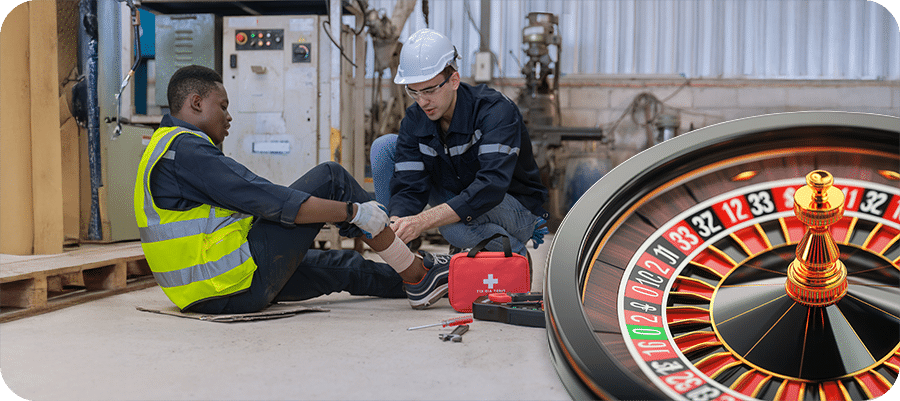
Home Blog Would You Bet Your Paycheck on Safety? That Need to Die By RDadiz Facebook LinkedIn Imagine this: At the end of every shift, you had to bet your entire paycheck that nobody on your crew got hurt. Would you do anything differently? Would you double-check your PPE? Would you remind a co-worker to use a harness? Would you take that extra second to secure a load or test a machine lockout? The truth is, whether you realize it or not, you are betting on safety every day. The stakes aren’t just money, they’re your health, your reputation, and your future. One bad decision, one shortcut, one ignored hazard, and you could lose everything. Safety is More Than a Rule, It’s a Wager Most people wouldn’t gamble their paycheck on pure luck. But every time someone skips a step, assumes a risk, or rushes a job, they’re rolling the dice. Sometimes they win, nothing happens. Other times? That bet costs them weeks of lost wages, medical bills, or a permanent injury. Think about it: A mechanic skips wearing gloves because “it’s just a quick fix.” That quick fix leads to stitches and time off work. A forklift operator speeds up to finish early. One wrong turn leads to a collision, and unemployment. A roofer skips fall protection “just for a second.” That second changes their life forever. Key Takeaways Lorem Ipsum is simply dummy text of the printing and typesetting industry. Lorem Ipsum has been the industry’s standard dummy text ever since the 1500s, when an unknown printer took a galley of type and scrambled it to make a type specimen book. It has survived not only five centuries, but also Lorem Ipsum is simply dummy text of the printing and typesetting industry. Lorem Ipsum has been the industry’s standard dummy text ever since the 1500s, when an unknown printer took a galley of type and scrambled it to make a type specimen book. It has survived not only five centuries, but also Lorem Ipsum is simply dummy text of the printing and typesetting industry. Lorem Ipsum has been the industry’s standard dummy text ever since the 1500s, when an unknown printer took a galley of type and scrambled it to make a type specimen book. It has survived not only five centuries, but also Lorem Ipsum is simply dummy text of the printing and typesetting industry. Lorem Ipsum has been the industry’s standard dummy text ever since the 1500s, when an unknown printer took a galley of type and scrambled it to make a type specimen book. It has survived not only five centuries, but also The House Always Wins Casinos are designed so that, over time, the house always wins. Unsafe work habits work the same way. Maybe you’ve skipped safety steps before and nothing happened. Maybe you’ve seen others take risks and walk away fine. That’s like winning a few hands in a row, it feels good, but the odds will catch up eventually. Complacency is the biggest con of all. The more times a worker gets away with a risk, the more confident they become in their luck. But luck runs out. And when it does, the price is steep. Related read: Do you own a business in the insurance industry? Check out how Artificial Intelligence is transforming the insurance industry. How to Play It Safe (and Win Every Time) 1. Be Smart Act like your paycheck depends on it. Because in many ways, it does. 2. Think Long-Term A shortcut might save five minutes, but an injury could cost five months. 3. Hold Each Other Accountable Safety isn’t a solo game. Watch out for your crew. Remind them that a mistake could cost them more than just pride. 4. Stay Sharp Keep safety top of mind. Refresh your training. Don’t let routine make you careless. 5. Call Out the Risks If something feels unsafe, stop. Speak up. Fix it before it becomes an accident. Make the Right Bet If you had to bet your paycheck on safety, you’d work smarter. You’d pay attention. You’d make sure nobody around you was cutting corners. You’d take safety seriously, because you’d have too much to lose. The reality? You already do. Every shift, every task, every decision is a bet. Make sure it’s one you can afford to win. Stay sharp. Stay safe. Because in this game, there’s no cashing out. Follow us! Stay up-to-date with the latest spotlight articles, podcasts, the SafetyNET Magazine, or our book on Leadership for Safety Excellence. All updates will be shared on our social channels, click below to follow us. Facebook Linkedin Related Articles All Posts #EmergencyPreparedness 2025 safety trends 360 Immersive 360immersive 6S Safety accident prevention accidental careers adjustable workstations adult education AI automation AI implementation AI in business AI in operations AI in Safety AI podcast AI strategy AI transformation Alberta safety courses Allan James Moore artificial intelligence asking for help audit findings audit readiness Audit Reporting automation in safety automation strategy avoidable injuries awareness Aztec Safety back strain BambooHR integration behavior-based safety Behavioral Safety behavioural safety biometric sensors BIS Podcast BIS Safety Podcasts BIS Safety Software BIS Safety Spotlight black holes Blame Culture BP Texas City Explosion Brave Leadership Brett Burkard burnout business automation Canadian OHS Canadian safety Canadian safety history Canadian safety standards carbon monoxide Carolynne Heron CCOHS chemical chemical vapors chronic injuries chronic pain cloud-based safety tools Coming Soon community safety programs Competency in Safety complacency in safety Compliance compliance courses Compliance In Canada compliance issues Compliance management Compliance Reporting compliance software compliance tools compliance tracking compliance training compliance vs protection Construction advocacy Construction education Construction industry construction safety construction safety training continuous improvement continuous safety improvement corporate culture corporate training corrective actions crane CSA standards Customer Spotlight Customer Spotlight Kevin Swinden Global Hazmat Safety Culture Hazmat Management Dangerous Goods Competency in Safety Workplace Risk Mitigation BIS Training Clients Canadian EHS customized training daily trip inspection Damage Prevention Dangerous Goods dangerous goods classification Danny Sellers