
BIS Safety Software
Process Safety Management (OSHA)
This safety training course, compliant with OSHA standards, is designed primarily for supervisors and site safety managers. The course covers critical areas such as identification, communication, maintenance, and re-evaluation. This course fulfills the classroom requirement for safety training in the workplace. A proficiency checklist is provided which employers can utilize during practical evaluations. Once the course is completed, participants can download and print a certificate or a wallet card as proof of completing the Process Safety Management training. NOTE: Only an employer can designate an employee as certified. Certification requirements may differ by state or region. Please verify with local regulations for any additional training requirements.

Our Process Safety Management (OSHA) course is fully compliant with regulations and satisfies online classroom training mandates. Each module of the course focuses on recognizing dangers posed by highly hazardous chemicals, communicating these hazards efficiently, maintaining a secure process, and re-evaluating safety measures.
The course will provide an in-depth understanding of how to identify, recognize, and analyze potential hazards in a process. You will learn effective ways to communicate these hazards through written operating procedures. The course emphasizes the importance of keeping contractors informed of potential hazards and the significance of adequate training for those engaged in covered processes. It also highlights the crucial role of safety maintenance through pre-startup reviews. The course will guide you on ensuring the safety of machinery used in covered processes, managing non-routine work to maintain safety, and when to revisit your process safety management program. We will discuss managing change effectively, anticipating accidental release, and conducting incident investigations.
The course includes periodic quiz questions designed to prepare you for the final written exam. Along with the written exam, the course includes a practical evaluation checklist for employers, as mandated by OSHA.
While you must familiarize yourself with all relevant federal, state, and local standards, this training covers the following laws and regulations:
• 29 CFR 1910.119 – Process Safety Management of Highly Hazardous Chemicals
• Clean Air Act Section 112® – Accidental Release Prevention/Risk Management Plan Rule
Sujets de cours :
- Identify
- Communicate
- Maintain
- Re-evaluate
Approximately 150 minutes
The pass mark for this course is 80%. Participants will have two attempts to complete the test successfully.
Upon successful completion of the course, a certificate will be available for download and print.
Détails du cours
Durée du cours
Ce cours durera environ 150 minutes
Note de passage
Pour réussir cette formation, vous devez obtenir 80% ou version supérieure au quiz
Certificat
À l'issue de la réussite de ce cours, un certificat à votre nom sera stocké sur votre profil et disponible à l'impression
Cours de formation supplémentaires

Working Together – The Code and the AODA
The Accessibility for Ontarians with Disabilities Act (AODA) necessitates that all employers and employees in Ontario undergo AODA and the Ontario Human Rights Code...

CMV Drivers – Fatigue and Its Effects
Engage in an interactive journey through our 'CMV Drivers - Fatigue and Its Effects' course, where we explore the factors leading to fatigue, the...
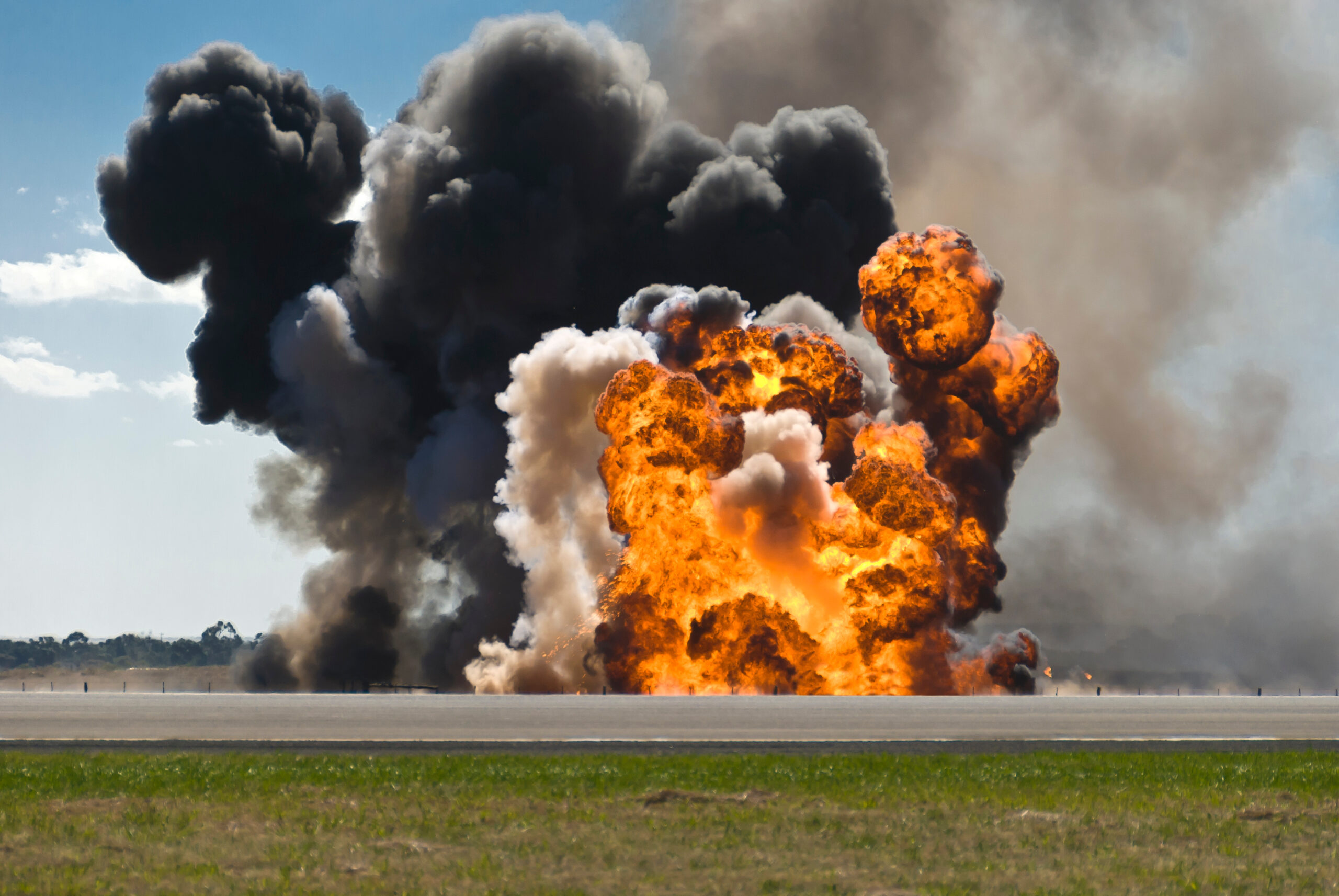
Gas Emergency Response
Prepare for gas emergencies by learning about sensors, exposure limits, employer precautions, and emergency response procedures.