
Webinaire
How Excellent Safety Training Gets Built
- September 24, 2026
- 11:00 AM MDT
- Live on LinkedIn · Free
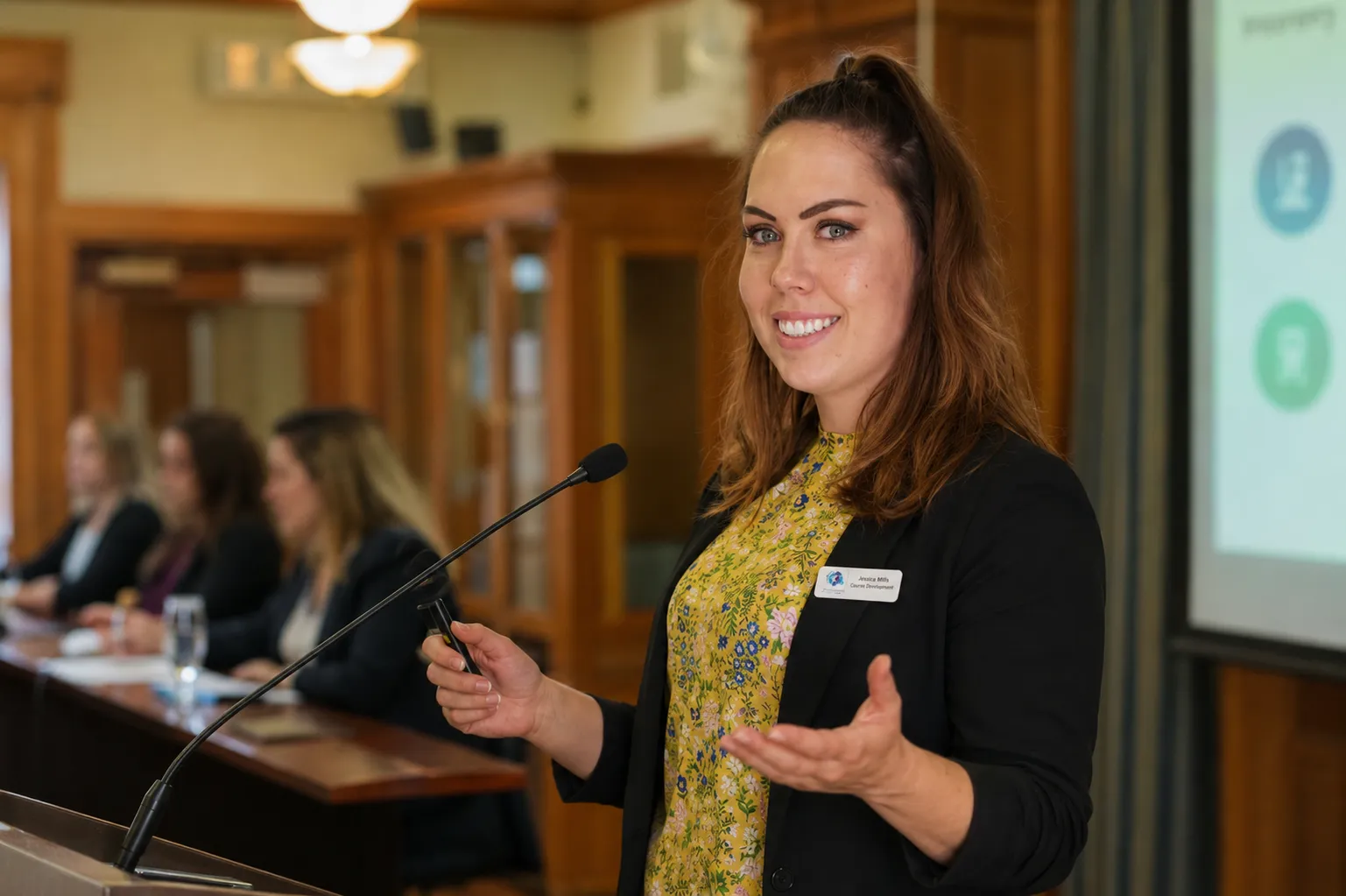
Most safety training gets judged after it is built, on completion numbers. On September 24, Jessica Mills showed the months of decisions made before anyone presses play.
This webinar took place on September 24, 2026.
Event details:
- Date
- Thu, September 24th, 2026
- Time
- 11:00 AM MDT
- Where
- LinkedIn, live online
- Cost
- gratuit
About the session
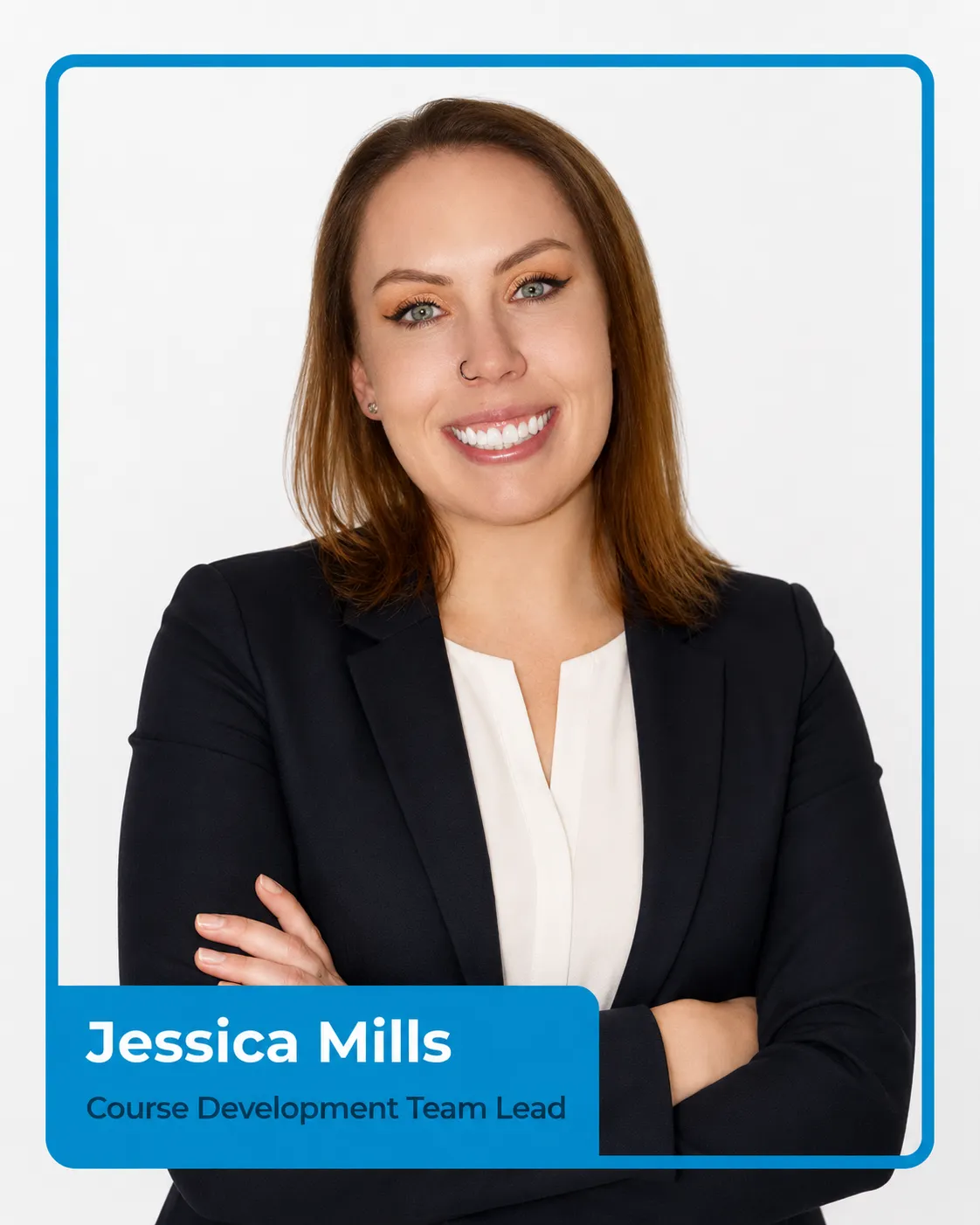
BIS has been building online safety training for more than 18 years, and the process behind it has been rebuilt and refined many times. Jessica Mills walked through it end to end: the first conversation with a subject-matter expert, scripting, media choices, review, and the day a course goes live, with the reasoning behind each decision.
Completion rates are the only number most people ever see. They say nothing about whether the content was accurate, whether the scenarios matched the work, or whether anyone could still apply it a week later.
What the session covered
- Why the decisions that make or break a course are made before anyone writes a word
- What separates a course people complete from one they can actually use on the job
- The questions to ask a subject-matter expert that surface what the manual leaves out
- When video is the wrong choice, and what earns its place instead
- How to tell whether a knowledge check is measuring recall or judgment
- Why accessibility decisions quietly determine who your training actually reaches
A practical session for anyone who buys safety training, builds it in-house, or is about to turn a binder of existing material into an online course.
Pourquoi c'est important
Two courses on the same topic can look identical from the outside: the same title, a similar run time. What separates them was decided months earlier, in choices about scripting, scenarios and review that buyers rarely get to see.
- Content that is accurate
- Scenarios that match the work
- Skills people still use a week later
Eighteen years of building courses produces trade-offs that are hard to guess at from outside: when a script gets cut back, when video earns its budget and when it does not, and what a useful conversation with a subject-matter expert actually sounds like.
Attendees left with a sharper set of questions to put to a vendor, or to their own team, before the next course gets built.